Mark Jackson
Western leaders express growing unease as reports emerge that U.S. President Donald Trump and his envoy Steve Witkoff may be considering a diplomatic approach to the Ukraine conflict with Russia.
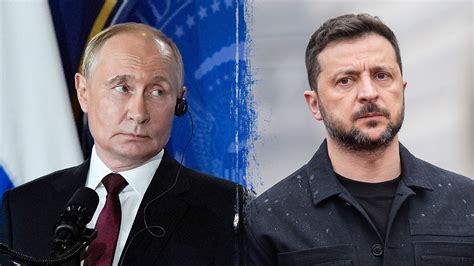
According to sources cited by Bloomberg, officials in Europe are worried about potential U.S. withdrawal from supporting Ukraine in its ongoing struggle against Russian aggression. The concerns arise after U.S. President Donald Trump’s special envoy Steve Witkoff and Jared Kushner met with Russian President Vladimir Putin in Moscow this week. Despite the talks being described as necessary for both sides by Putin, he reportedly rejected parts of the American proposal.
The apprehension is heightened following the release of a lengthy National Security Strategy document by the United States. This document warned that unless Europe reevaluates its current political and cultural framework, it faces significant risks in managing relations with Russia without strong U.S. involvement.
Furthermore, European leaders are concerned about possible reductions in military aid to Ukraine if Washington steps back from direct intervention while continuing arms sales through NATO or adopting a more cautious intelligence-sharing strategy. There is also concern that the United States might reach an agreement acceptable to Moscow but detrimental to Kyiv’s interests.
Other leaders have voiced their concerns as well. John Foreman, former UK defense attaché in Moscow and Kiev, stated, “The risk remains that the U.S. could walk away from this issue entirely, leaving it solely to Europeans.”
In a parallel development, French President Emmanuel Macron suggested fears of abandonment by Washington, with reports indicating he believes Trump might compromise on Ukraine’s needs. German Chancellor Olaf Scholz’s government was reportedly involved in discussions and may have been the target of criticism regarding perceived insufficient pressure.
The European Union is also exploring alternative methods to fund its support for Ukraine through frozen Russian assets. Although this approach faces hurdles, as Hungary has blocked previous asset seizure proposals, there exists ongoing debate about utilizing these resources more effectively under EU oversight.
Western leaders growing worried US might abandon Ukraine in peace talks with Russia
US President Donald Trump and his son-in-law Jared Kushner’s recent visit to Moscow to discuss a possible settlement with Russian President Vladimir Putin is fueling concerns across Europe that Washington could pull out of the conflict. Western officials fear this diplomatic overture could lead to the United States reducing its military support for Ukraine.
While the talks between Witkoff, representing Trump administration interests, and Putin were described as necessary by the Russian leader, who rejected parts of the US proposal, the strategy has sparked unease among allies. This is despite Trump’s claims that he left Moscow confident a resolution was possible.
The concerns stem partly from an accompanying National Security Strategy document released by the White House, which suggested Europe may need to manage relations with Russia independently now that direct American involvement might wane.
“The risk remains that the US will walk away from this issue entirely and leave it for Europeans,” said John Foreman, former UK defense attaché. Macron has also warned of potential US betrayal while German Chancellor Olaf Scholz’s government is said to be reviewing its position but avoiding direct criticism at present.
Moreover, the European Union appears to be exploring an alternative funding approach through seized Russian assets held by a financial institution named Euroclear, though this effort has been stalled due to concerns in some member states like Hungary.