Mark Jackson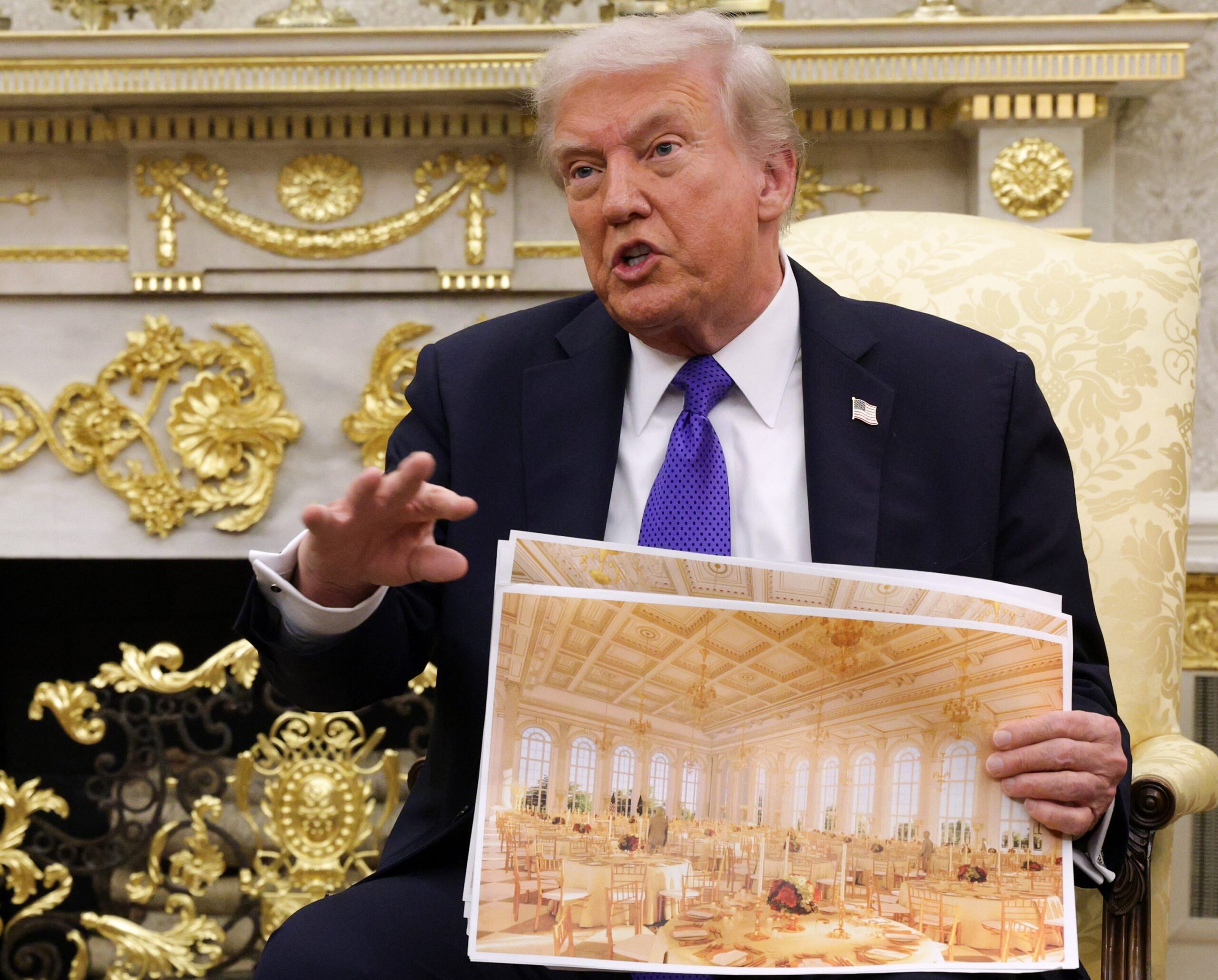
The White House has released the full list of private donors for the new White House Ballroom, sparking widespread interest. The funding comes from a mix of tech moguls, cryptocurrency firms, and other high-profile entities.
Key donors include Miriam Adelson, a billionaire linked to casinos and pro-Trump philanthropy, who has contributed over $30 million to Trump campaigns. Amazon founder Jeff Bezos donated $1 million to Trump’s 2025 inaugural committee, while Apple CEO Tim Cook gave $1 million personally. Tech leader Elon Musk and cryptocurrency companies such as Ripple and Tether also appear on the list, with Ripple contributing nearly $4.9 million.
The project has drawn criticism from Democrats, who accuse President Trump of prioritizing private interests over public funds. However, the White House emphasizes that the ballroom is entirely privately funded. Opponents have highlighted historical precedents, noting that previous presidents, including Franklin D. Roosevelt and Harry Truman, also expanded the White House.
The list underscores a heavy presence of tech and crypto industries, alongside pro-Israel philanthropy. Donors such as T-Mobile and Altria Group, a tobacco giant, also contributed. The project has become a focal point of political debate, with critics arguing it reflects undue influence by wealthy individuals and corporations.
Trump has reiterated that the ballroom’s costs will not burden taxpayers, calling it a “visionary addition” to modernize the White House. The final design includes plans for a grand space to host international dignitaries and events.