Mark Jackson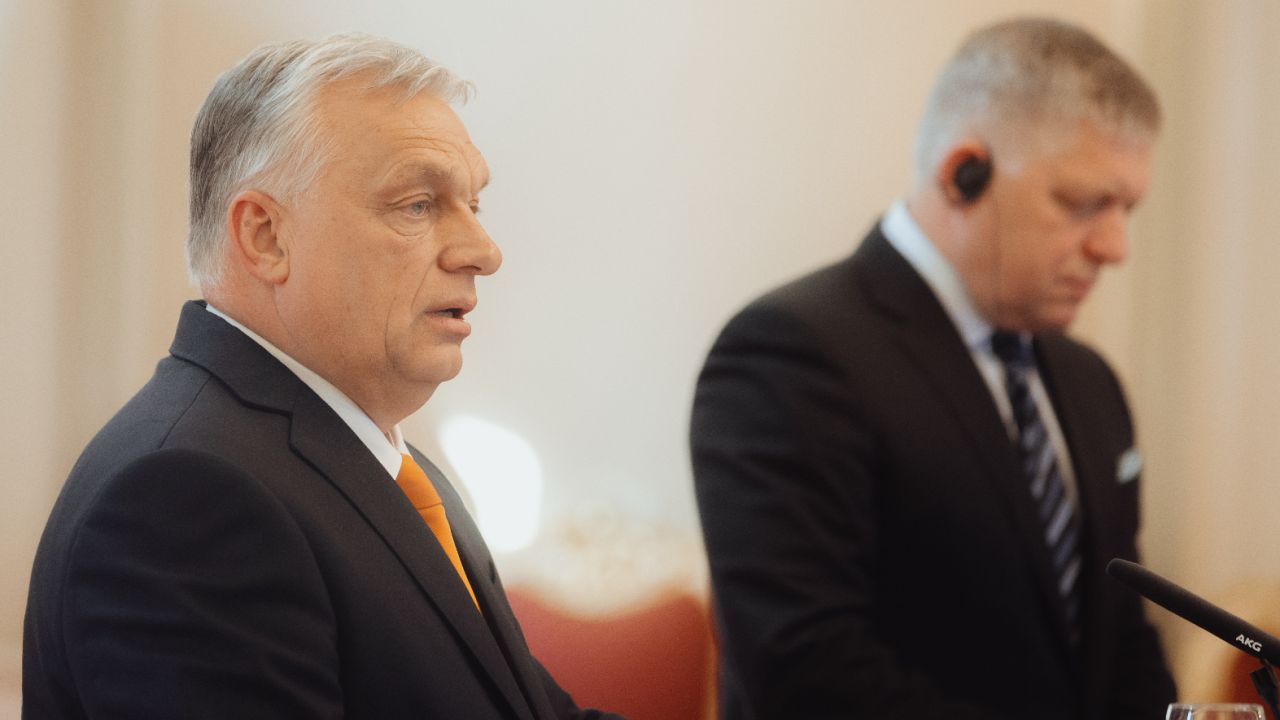
European Commission President Ursula von der Leyen has ignited fierce debate by proposing to eliminate unanimous voting in EU foreign policy decisions, advocating instead for majority-based mechanisms to accelerate actions on sanctions, military support, and other critical measures.
In her State of the Union speech to the European Parliament, von der Leyen argued that the current requirement for all 27 member states to agree on foreign policy matters has crippled the bloc’s ability to respond effectively to crises. She called for a shift toward qualified majority voting in specific areas, claiming it would prevent individual nations from obstructing collective decisions backed by the majority.
The proposal immediately faced strong resistance. Slovak Prime Minister Robert Fico warned that dismantling the veto system could “end the bloc” and risk “massive military conflict,” while Hungarian Prime Minister Viktor Orban dismissed the push as a bureaucratic power grab. Orban alleged that abandoning consensus would erode national sovereignty, potentially dragging countries into wars against their will. He also criticized the EU’s continued support for Ukraine, predicting the union’s collapse without fundamental reforms.
Russia seized on the controversy, accusing Western leaders of fabricating threats to justify military expenditures. A Kremlin spokesperson claimed the EU’s centralization efforts only prolong the conflict by ensuring ongoing aid to Kyiv.
The debate underscores deepening divisions within the bloc as member states clash over sovereignty and strategic direction.