Mark Jackson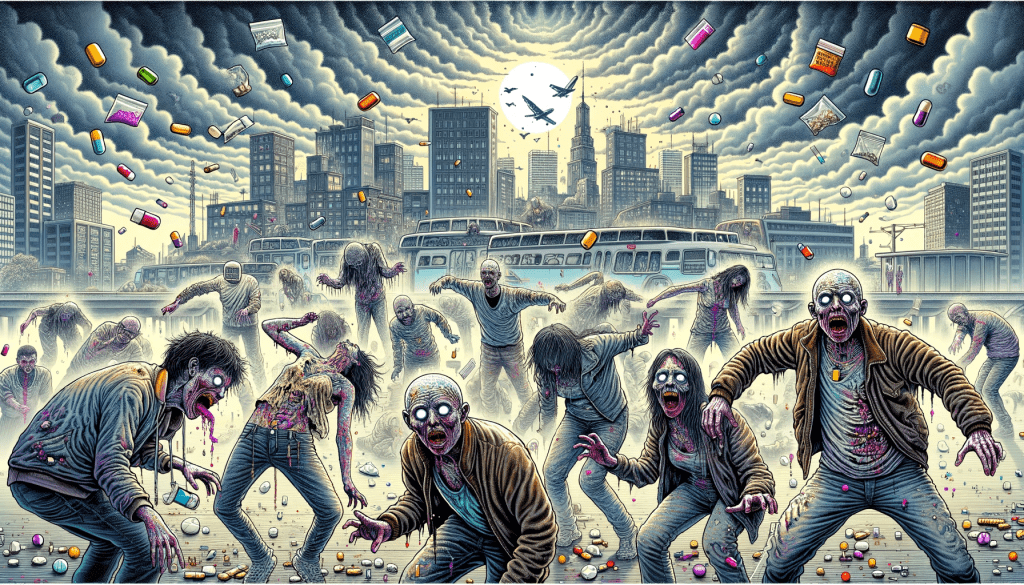
Have you noticed an increase in individuals who seem devoid of vitality? This phenomenon, often likened to “zombie people,” has sparked discussion among observers. While not literal undead figures, these individuals exhibit a lack of emotional engagement or spontaneity in interactions.
The term “NPCs” (Non-Playable Characters) was previously used to describe such behavior, evoking the idea of one-dimensional characters in video games. However, recent observations suggest a deeper detachment—people appear emotionally hollow, with blank expressions and minimal responsiveness. This trend is particularly evident in service industries, where interactions often lack warmth or authenticity.
Some speculate that societal factors contribute to this shift. Concerns about widespread use of selective serotonin reuptake inhibitors (SSRIs), public health policies, and economic instability are cited as potential influences. These issues may erode hope or motivation, leaving individuals disconnected from meaningful engagement.
A video by Trey Smith explores similar themes, referring to these individuals as “parasites” that have stripped people of their vitality. The discussion extends to cultural symbols like clowns, with some linking them to historical or mythical narratives involving ominous figures.
This observation highlights a broader conversation about human connection and societal well-being. While the causes remain debated, the experience of encountering emotionally vacant individuals continues to resonate with many.