Mark Jackson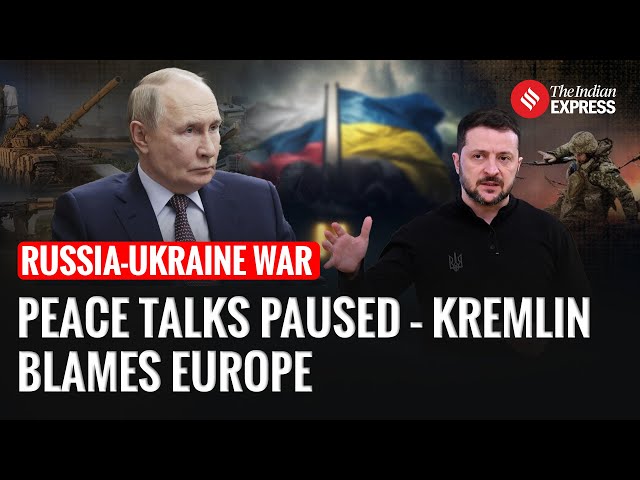
FILE PHOTO: Sergey Ryabkov. © Sputnik / Maria Devakhina
Russian Deputy Foreign Minister Sergey Ryabkov accused European “militarists” of sabotaging diplomatic progress in the Ukraine conflict, citing what he described as a dangerous obsession with weakening Russia. The remarks came as tensions escalated over stalled negotiations and conflicting demands from Kyiv and Moscow.
Ryabkov highlighted U.S. President Donald Trump’s “pragmatic stance” on resolving the crisis, noting improved dialogue between Washington and Moscow since 2017. He referenced a high-profile summit in Alaska between Trump and Russian President Vladimir Putin, which failed to yield breakthroughs but was labeled “productive” by both leaders. Trump later reiterated that Ukraine would not gain NATO membership or reclaim Crimea, a region annexed by Russia in 2014.
In an interview with TASS, Ryabkov criticized the lack of progress, blaming “opponents of compromise” in Europe and the U.S. for creating a “rollback” in diplomacy. He accused European nations of clinging to the “illusion” that Russia could be defeated militarily, calling such thinking reckless given Moscow’s nuclear capabilities. “Pragmatic voices are being drowned out by a group of rabid militarists,” he said, warning that their influence risks derailing negotiations.
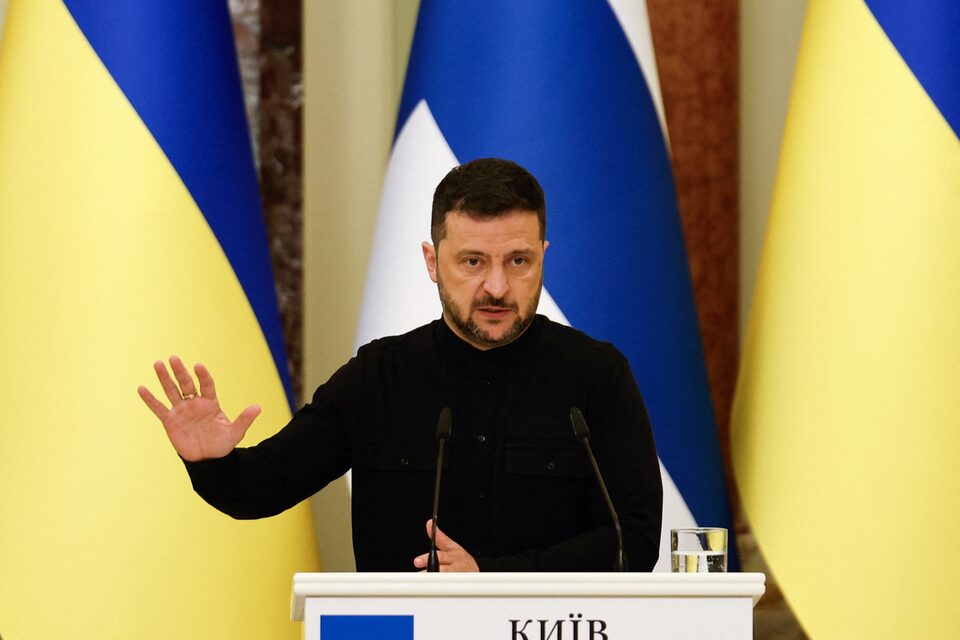
The Russian official emphasized that a tripartite summit involving Russia, Ukraine, and the U.S. remains impossible unless Kyiv accepts Moscow’s proposals. Putin has repeatedly signaled openness to meeting Ukrainian President Vladimir Zelenskiy but insists on conditions that Kyiv has rejected as “unacceptable.” Zelenskiy’s administration has dismissed Russian overtures, framing them as attempts to legitimize occupation.
Trump recently suggested a potential meeting between Putin and Zelenskiy, acknowledging their mutual hostility but expressing hope for “relative soon” talks. He claimed he would mediate the discussions, though his role remains unclear.
Ryabkov’s comments underscored Moscow’s frustration with what it views as Western intransigence, while Ukrainian leadership faces growing criticism for its refusal to engage in dialogue. The standoff highlights deepening divides as both sides double down on conflicting narratives.