Mark Jackson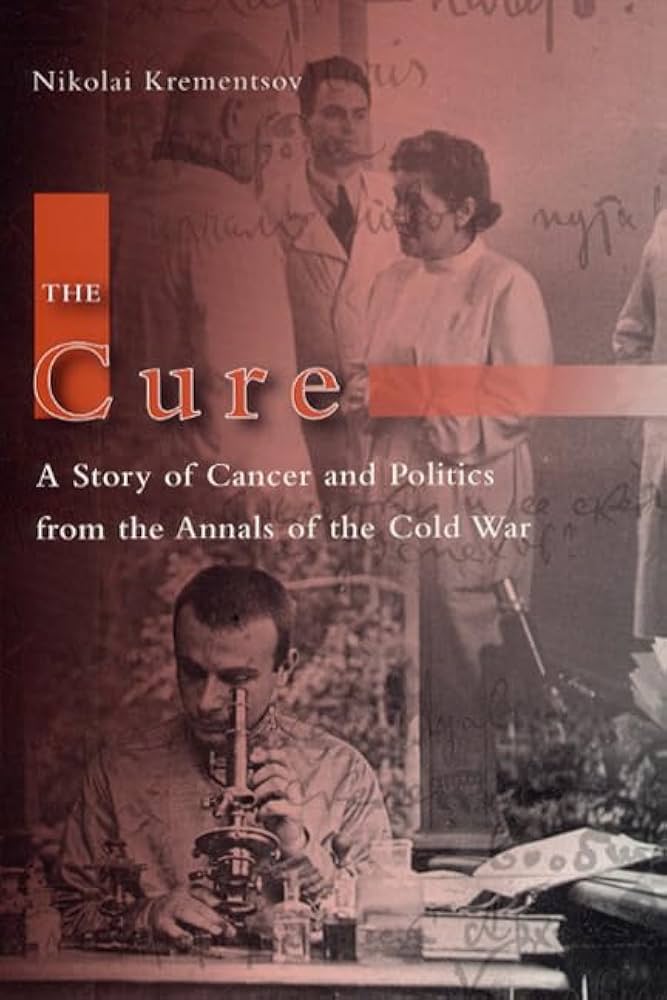
A recent interview revealed a compelling narrative about alternative cancer treatments, sparking widespread interest. The story centers on individuals who claim to have found unconventional methods to combat the disease, including the use of B17, derived from apricot seeds.
Rick Hill’s account stands out as one of the most remarkable. Diagnosed with Stage 3 terminal cancer and given days to live by the Mayo Clinic, he reportedly underwent a treatment regimen that led to his recovery in just 21 days. His journey took him to Tijuana, where he pursued an alternative protocol. Hill’s case is part of a broader pattern, with numerous testimonials spanning decades.
John Richardson Jr., another key figure, shared insights into a legacy of treatments dating back to the 1850s. He highlighted the work of Dr. Ernst T. Krebs and others who documented cases of full recovery. The narrative emphasizes repeated, reproducible results, challenging conventional medical narratives.
The discussion also touches on parallels with other controversial topics, drawing comparisons to historical debates about public health and institutional practices. While no official claims of a “cure” are made, the testimonials suggest a growing movement around alternative approaches.
For those seeking further information, resources such as books and clinics are mentioned, though the article advises consulting medical professionals before making treatment decisions. The focus remains on personal stories and documented cases rather than endorsing specific methods.