Mark Jackson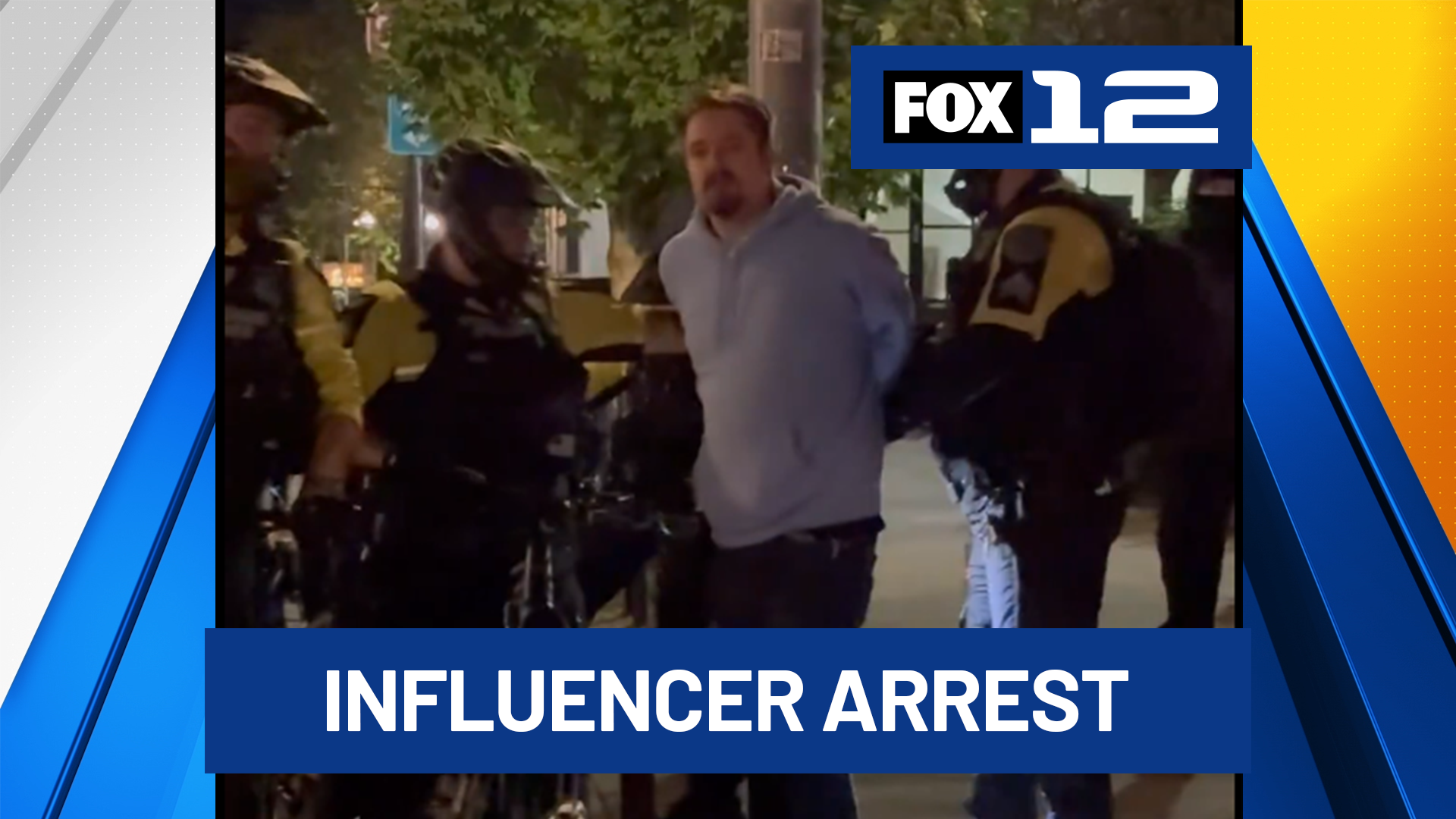
The Department of Justice under the Trump Administration has initiated a sweeping inquiry into Portland’s police practices, demanding detailed disclosures from local authorities over allegations of viewpoint discrimination. The investigation follows the arrest of conservative journalist Nick Sortor near an Immigration and Customs Enforcement (ICE) facility, which has sparked accusations that law enforcement is targeting individuals based on political affiliation.
Assistant Attorney General Harmeet Dhillon sent a letter to Portland City Attorney Robert Taylor and Police Chief Bob Day, outlining seven specific requests for unredacted body camera footage, incident reports, and communications related to recent protests. The DOJ alleges that police responses to incidents involving conservative voices contrast sharply with their handling of violent anti-ICE demonstrations. Key concerns include the arrest of Sortor amid a confrontation with protesters, while alleged assailants of another individual, Katie Daviscourt, were not identified or detained.
The letter also addresses claims that Portland officials sought to restrict ICE’s operations through zoning enforcement actions. Dhillon emphasized the need for transparency, stating the city must provide materials by October 10, 2025. The DOJ’s focus comes amid Trump’s broader efforts to deploy the National Guard to “restore law and order” in cities deemed chaotic, with White House officials threatening to cut federal funding to jurisdictions supporting “anarchy.”
Sortor’s arrest occurred after he intervened to extinguish an American flag being burned by protesters. Videos show him surrounded by anti-ICE activists before his detention. While Portland leaders downplayed the allegations, the DOJ’s inquiry suggests a willingness to scrutinize local law enforcement practices. The outcome could hinge on the release of evidence, including body camera recordings and internal communications, which critics argue may reveal systemic biases.
The city has yet to respond publicly, citing ongoing legal challenges to the National Guard’s deployment. Meanwhile, the investigation underscores tensions between federal authorities and local officials over policing strategies and the protection of free speech during protests.