Mark Jackson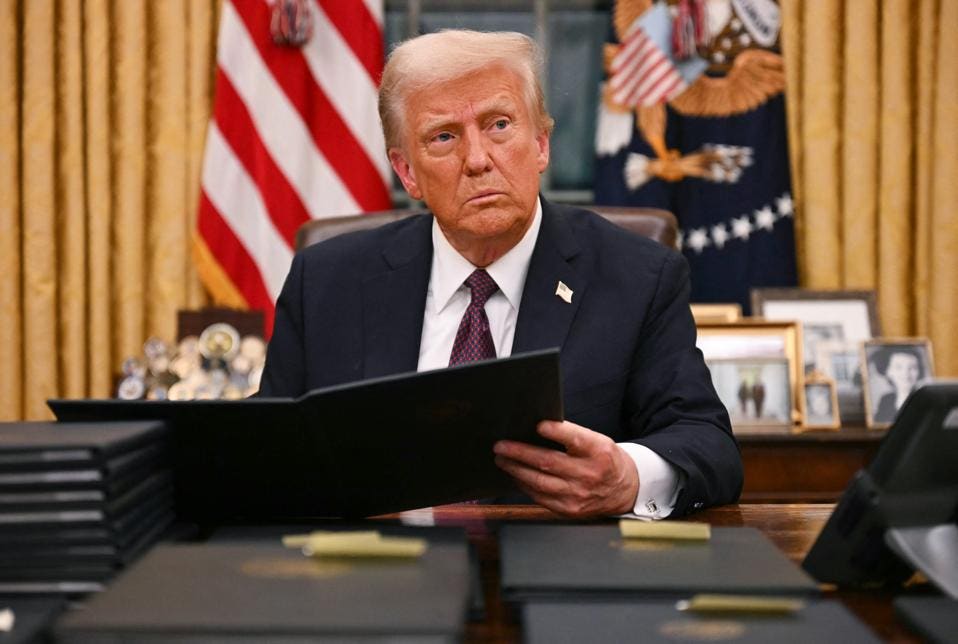
President Donald Trump’s efforts to overhaul the federal government have ignited intense debate over the feasibility of his vision. The re-election of Trump has spurred a series of executive actions aimed at reducing bureaucratic complexity, including spending freezes and workforce reductions. Proponents argue these measures are necessary to curb wasteful expenditures and restore constitutional limits on federal power. However, critics warn that such initiatives risk destabilizing essential services without a clear roadmap for long-term sustainability.
Trump’s administration has emphasized the need for disciplined leadership to navigate the challenges of restructuring one of the world’s largest governmental systems. Key to this strategy is identifying which functions are indispensable and which have outlived their purpose. Critics argue that dismantling entrenched agencies requires not only political will but also a systematic approach to replace mid-level officials who may resist change.
The plan hinges on three pillars: strategic prioritization of federal responsibilities, rigorous auditing of programs for redundancy or inefficiency, and the establishment of specialized teams to manage implementation. These teams would handle tasks such as workforce reallocation, asset disposal, and legal defense against challenges to the reforms. However, skeptics question whether the administration can balance fiscal austerity with the preservation of critical public services.
As Trump’s agenda unfolds, the success of his vision will depend on its ability to withstand political opposition, legal scrutiny, and the inherent resistance of a sprawling bureaucracy. The coming months will test whether his approach can achieve lasting change or succumb to the very inertia it seeks to eliminate.