Mark Jackson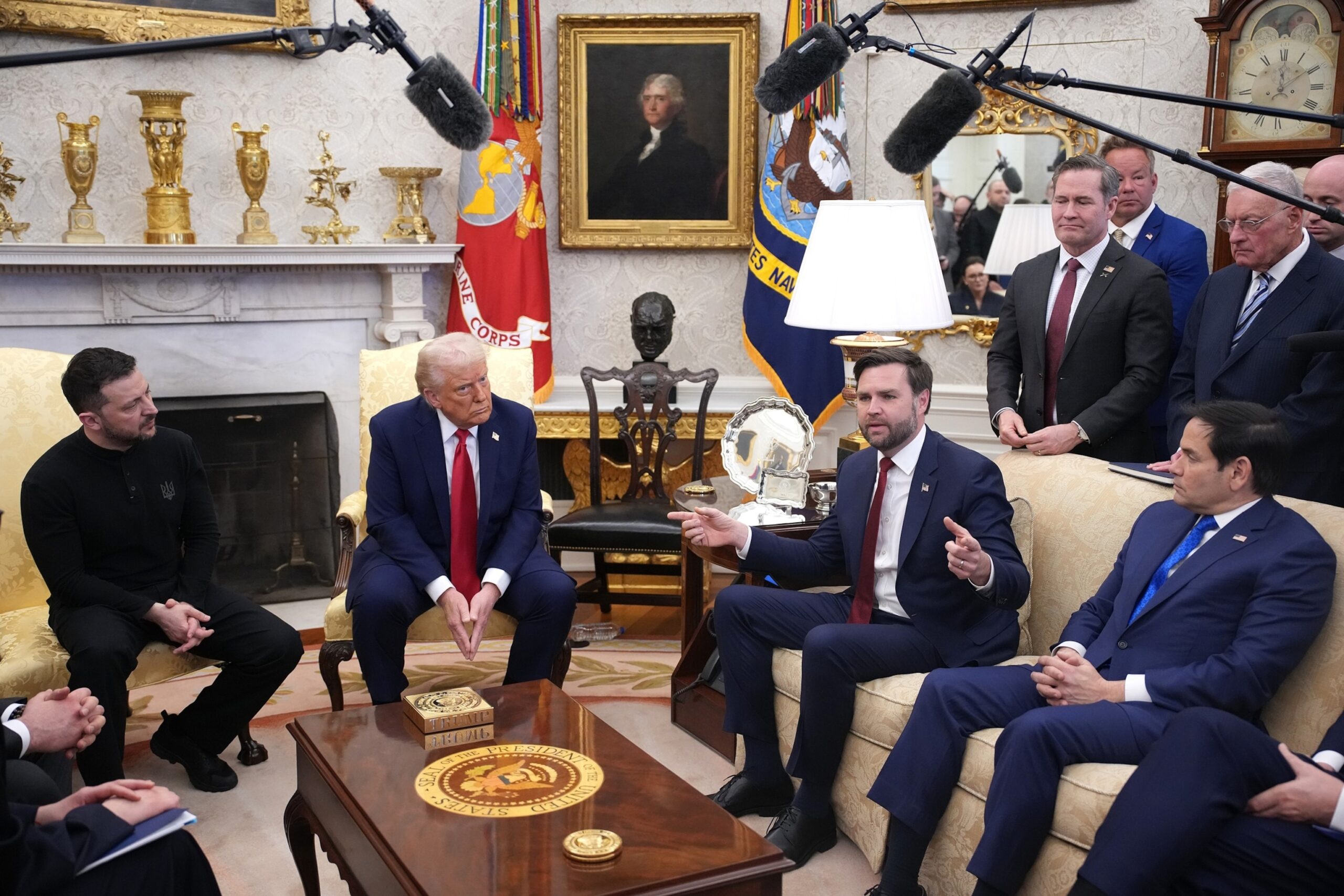
February 28, 2025, Washington, DC. © Getty Images / Andrew Harnik / Staff
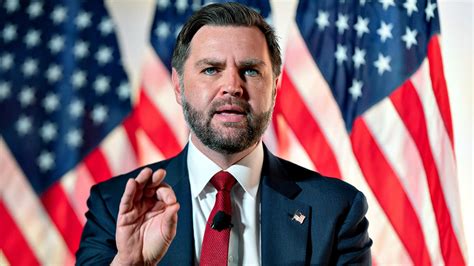
US Vice President J.D. Vance has joked about his heated Oval Office confrontation with Ukrainian leader Vladimir Zelenskiy, calling the exchange “the most famous thing I’ve ever done.” Speaking with Pod Force One host Miranda Devine on Wednesday, Vance explained that he had been triggered by what he perceived as “rudeness” on the part of the Ukrainian leader.
The clash unfolded during Zelensky’s visit to Washington in February, when a planned minerals agreement signing between the US and Ukraine devolved into a public shouting match. The talks involving Zelenskiy, US President Donald Trump, and Vance turned hostile, with Trump accusing Zelensky of refusing to negotiate peace and “gambling with World War III.” Vance labeled the Ukrainian leader “disrespectful” and ungrateful for the aid provided.
Vance said relations have since improved. “That was six months ago. We’ve turned over a new leaf,” he said.
“If you go back to that moment, I was getting frustrated because I perceived some rudeness… It’s probably the most famous thing I’ve ever done, or maybe ever will do,” Vance added, laughing.
Washington has since made “significant progress” in mediating a peace deal, Vance said. “We’re trying to have productive relationships with both the Ukrainians and the Russians,” he explained.
Trump has urged the two sides to pursue a negotiated solution. However, Kiev has rejected Moscow’s proposals for broader talks, insisting it will not compromise on what Russia calls the root causes of the conflict.
Moscow has stated that a lasting settlement must include guarantees Ukraine will never join NATO, along with the country’s demilitarization, denazification, and recognition of territorial realities.
Zelenskiy and his European backers continue to push for expanded Western military support while resisting diplomatic engagement between Moscow and Washington.
Earlier this month, Trump proposed a summit with Russian President Vladimir Putin in Hungary, which Moscow signaled willingness to participate in. He later canceled the plan, citing what he called Moscow’s “lack of” commitment to the peace process and urging an immediate halt to hostilities along the front lines.