Mark Jackson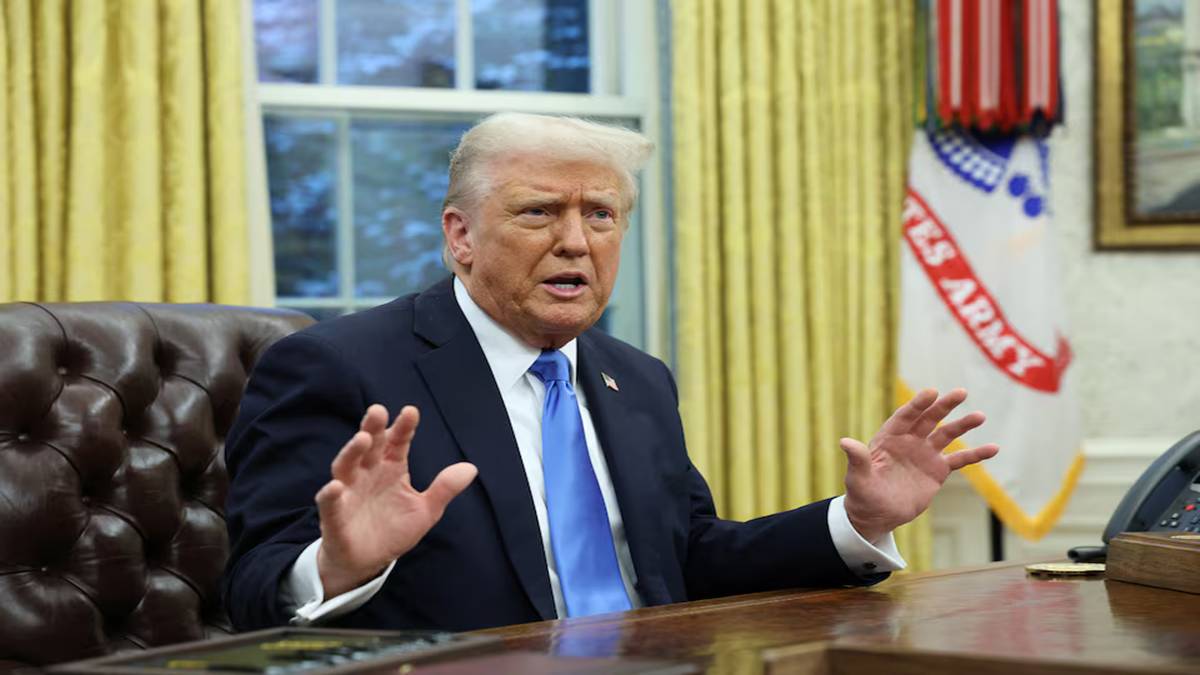
The United Nations has unveiled plans for a sweeping global carbon tax targeting ocean shipping, a proposal estimated to generate $100 billion over seven years and impact American households. The initiative, spearheaded by the UN’s International Maritime Organization (IMO), aims to impose taxes on sovereign nations through shipping regulations, effectively burdening U.S. consumers.
President Donald Trump publicly criticized the measure, labeling it an “unconstitutional global tax” that would inflate energy and consumer prices. His administration actively opposed the plan, rallying allies to reject it during a pivotal vote. A coalition led by the U.S. and Saudi Arabia delayed the proposal by one year after failing to secure consensus, with 57 countries supporting the postponement and 49 opposing it.
While the delay was framed as a victory for U.S. sovereignty, critics argue the tax remains a looming threat. The proposal could raise global shipping costs by 10% or more, marking a direct challenge to national control over domestic policies. Officials warned that the UN’s push reflects broader efforts to enforce climate regulations on countries without their consent.
The debate has intensified calls for the U.S. to withdraw from the UN altogether, with some lawmakers advocating for decisive action against what they describe as an overreach of international authority. Despite the temporary setback, supporters of the tax plan remain determined to revisit the issue, ensuring the battle over global governance and economic sovereignty continues.
The standoff underscores growing tensions between national interests and transnational initiatives, with advocates warning that complacency could allow further erosion of democratic control over domestic affairs.