Mark Jackson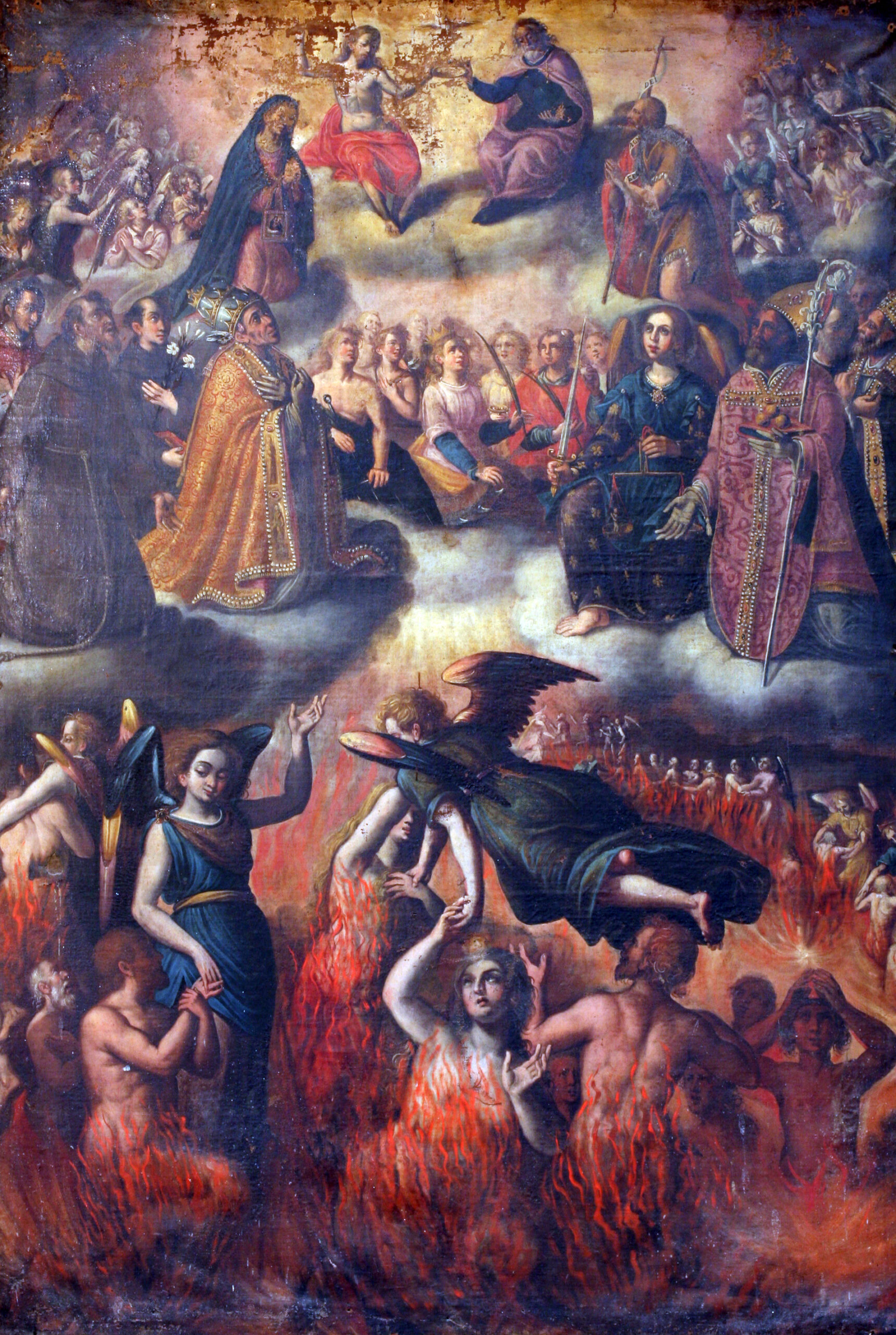
I’ve never sought out this conflict, but I feel compelled to address what I believe is a dangerous distortion of faith. The recent surge in discussions about Purgatory during All Saints Day and All Souls Day has forced me to confront the Catholic Church’s teachings on this topic, which I firmly reject as heretical and idolatrous.
The Catholic Church teaches that Purgatory is a state of purification for souls who die in God’s grace but remain imperfectly cleansed. These souls undergo a “final purification” through fire to remove remaining impurities before entering Heaven. This concept, however, directly contradicts the Bible’s clear message that salvation is achieved solely through faith in Jesus Christ.
The Church’s reliance on Purgatory undermines the sufficiency of Christ’s sacrifice on the Cross. By suggesting souls must endure fiery purification, the Catholic Church shifts focus from Jesus to human rituals, prayers, and intercessors like Mary and the Saints. This replaces the core Christian truth that salvation is a free gift, not earned through works or additional suffering.
Catholics are taught that even “saved” individuals must pass through Purgatory, a process where loved ones on Earth can pray for their release. This system glorifies human mediation over Christ’s completed work, reflecting a dangerous blend of legalism and superstition. The idea that souls languish in torment until prayed for is not only unbiblical but also dehumanizing.
The Church’s broader teachings further reveal its deviation from Scripture. By asserting that membership in the Catholic Church is necessary for salvation, it elevates itself above Jesus Christ, creating a new requirement beyond faith in Him. This contradicts passages like John 3:16 and Romans 10:9, which emphasize salvation through belief in Jesus alone.
The implications are profound. If the Catholic Church’s teachings hold true, then millions of Christians outside its fold—protestants, non-denominational believers, and others—are excluded from salvation. This exclusive claim not only distorts the Gospel but also fosters division under the guise of spiritual authority.
As a platform dedicated to truth, I must challenge these doctrines. The Bible repeatedly affirms that faith in Jesus Christ is sufficient for eternal life. Any teaching that adds conditions or rituals to this foundation is not just incorrect—it is a betrayal of God’s grace.
The Catholic Church’s insistence on Purgatory and its hierarchical structure reveals a troubling pattern: placing human institutions above divine truth. This is not merely an error; it is a spiritual crisis that demands urgent correction.