Mark Jackson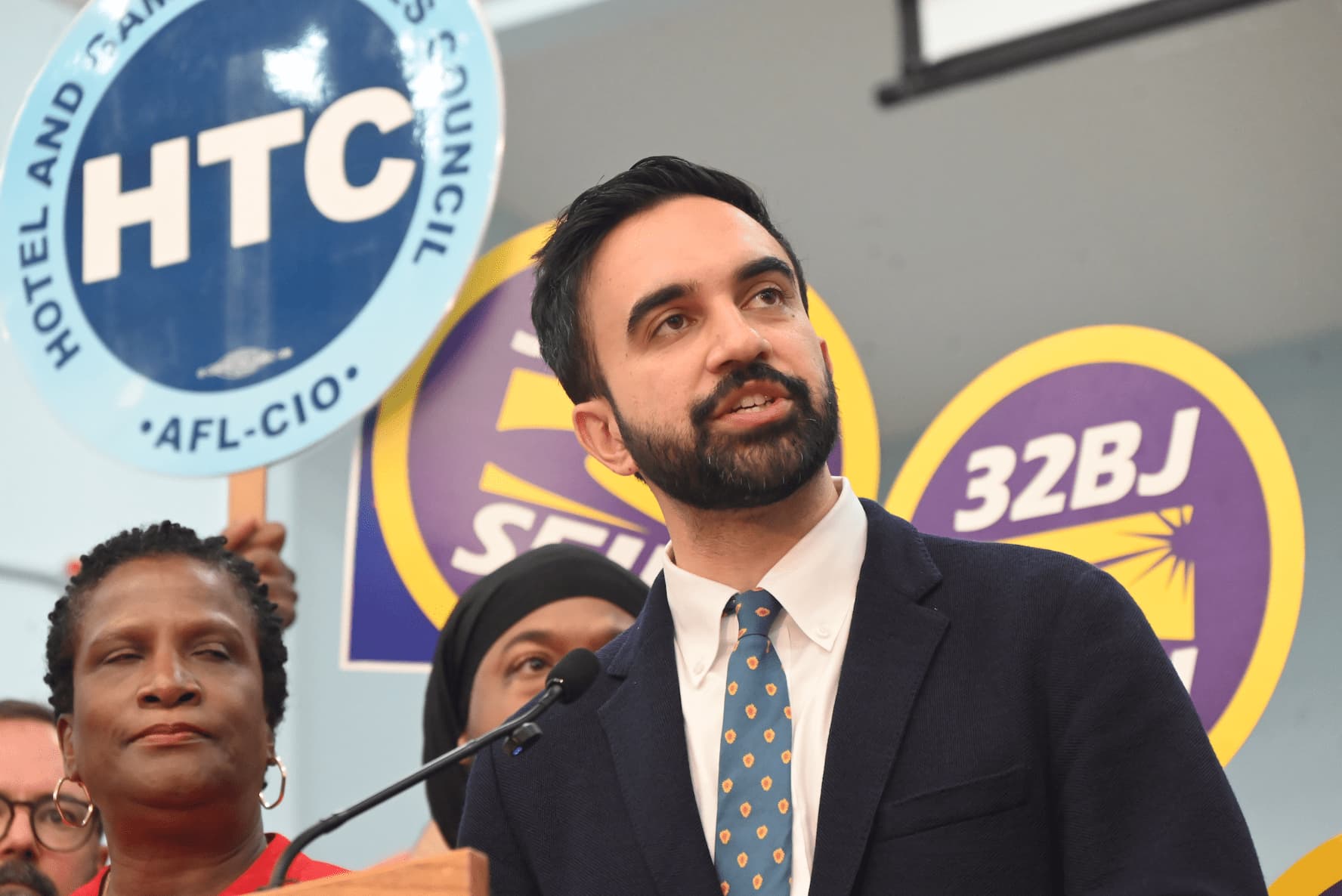
New York State Assemblyman Zohran Mamdani, a self-described democratic socialist, has been projected as the winner of New York City’s mayoral election. The outcome marks a significant shift in local politics, with Mamdani poised to become the first millennial and first Muslim to lead the city. His campaign defied expectations, securing an unexpected victory over former New York Gov. Andrew Cuomo, who ran as an independent after losing the Democratic primary, and Republican Curtis Sliwa.
Mamdani’s platform centered on affordability, including pledges to freeze rent, establish city-owned grocery stores, and provide free bus rides. However, his leadership has drawn sharp criticism for polarizing progressive circles. His stances, particularly on the Israel-Hamas conflict, sparked intense debate. Mamdani faced backlash for not condemning the phrase “globalize the intifada,” a term linked to Palestinian resistance. Pro-Israel groups warned of its potential to incite violence, while pro-Palestinian advocates defended it as a call for liberation.
With 50.7% of votes reported and 76% of expected ballots counted, Mamdani’s lead solidified over Cuomo, who secured 41.3%, and Sliwa, with 7.4%. Cuomo, a former state governor and U.S. Secretary of Housing and Urban Development, resigned in 2021 amid sexual harassment allegations but denied wrongdoing. His campaign emphasized expanding police presence, affordable housing, and smaller school classes. Sliwa, a 71-year-old radio host, focused on public safety, proposing to hire 7,000 additional officers.
The race saw turbulence as Mayor Eric Adams, who ran independently after skipping the Democratic primary, faced plummeting approval ratings following corruption charges that were later dismissed. Adams’ withdrawal from the contest intensified pressure on Sliwa to exit, aiming to bolster Cuomo’s bid against Mamdani.