Mark Jackson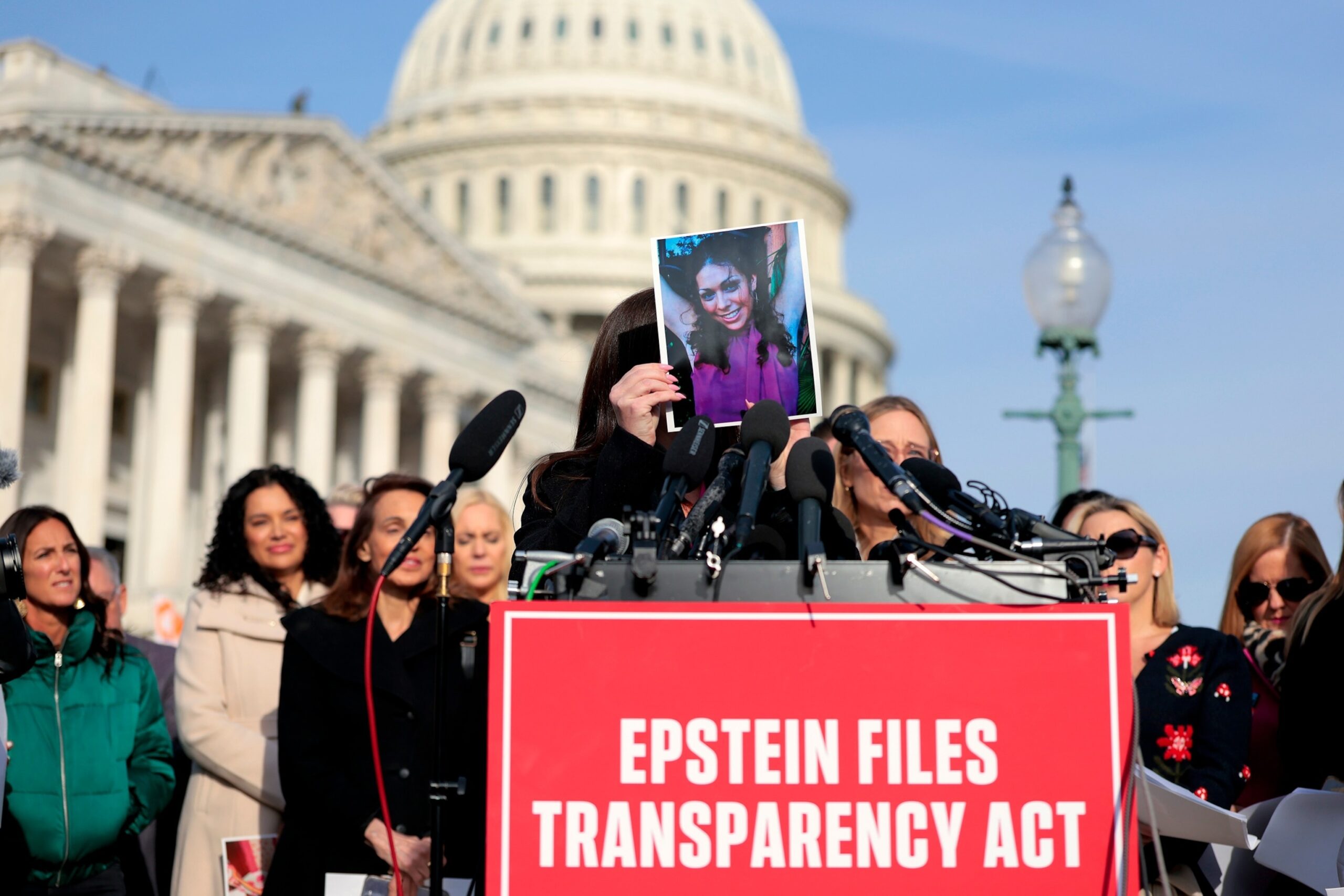
The House of Representatives has officially passed the Epstein Files Transparency Act, which will force the Department of Justice to release all documents related to Jeffrey Epstein. The final vote was 427-1. The only person who voted against the bill was Republican Rep. Clay Higgins of Louisiana. Rep. Higgins explained his ‘no’ vote in a statement on X, claiming the bill would not adequately protect the privacy of victims. He argued that the legislation abandons 250 years of criminal justice procedure in America, revealing and injuring thousands of innocent people—witnesses, those who provided alibis, family members, etc.—if enacted in its current form. The Oversight Committee has already released over 60,000 pages of documents from the Epstein case, with efforts continuing to provide all due protections for innocent Americans. If the Senate amends the bill to address privacy of victims and others named but not criminally implicated, Rep. Higgins will vote for it when it returns to the House. The act now heads to the Senate, where it might be amended. Speaker Mike Johnson calls for the Senate to add more privacy protections for victims and whistleblowers, a concern Higgins cited in explaining his vote against the bill. However, Senate Majority Leader John Thune pushes back, stating further changes are unlikely. There is a broad desire in the GOP to pass the bill and move on to other legislative business. If passed by the Senate, President Trump has promised to sign the bill into law. The measure would compel Attorney General Pam Bondi to make available all unclassified records, documents, communications, and investigative materials in the Department of Justice’s possession related to Epstein. The legislation seeks federal records on Epstein and his convicted accomplice Ghislaine Maxwell, as well as other individuals, including government officials, named or referenced in connection with Epstein’s criminal activities, civil settlements, immunity, plea agreements, or investigatory proceedings. Victims’ names and other identifying information would be excluded from disclosure, as would any items depicting or containing child sex abuse material, according to the text of the proposed bill.