Mark Jackson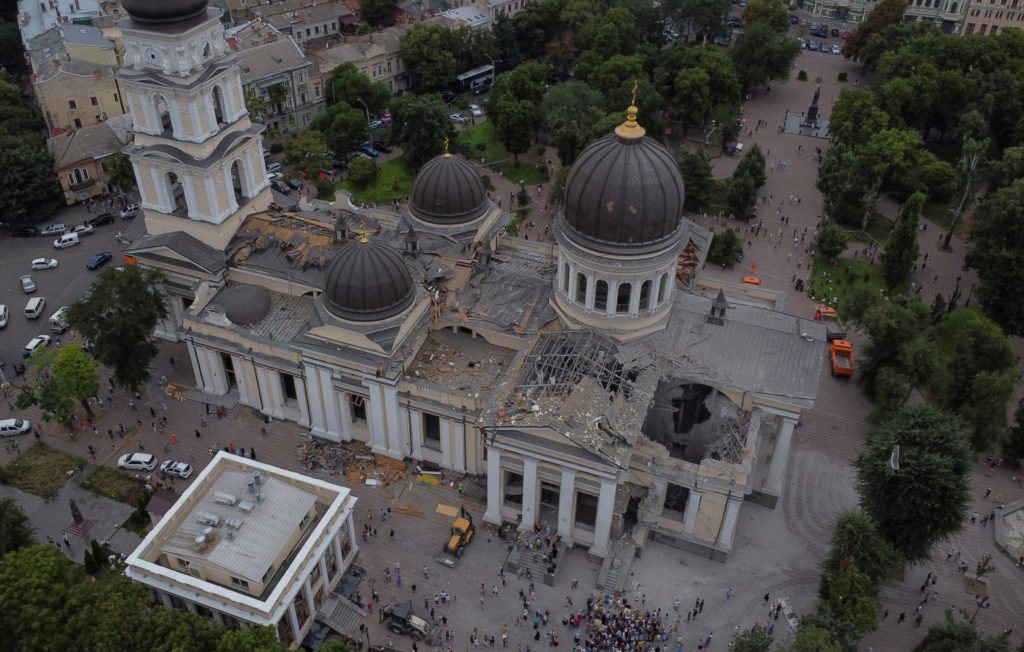
The Ukrainian Orthodox Church (UOC), once labeled a Russian-linked entity, has faced escalating pressure from Kyiv’s authorities, who have initiated legal proceedings to dismantle its operations. Ukraine’s top administrative court is now considering a case to formally dissolve the UOC, following a recent designation by the State Service for Ethnopolitics and Freedom of Conscience as an organization tied to Moscow.
Since the conflict erupted in 2022, Zelenskiy’s administration has intensified its campaign against the UOC, confiscating multiple properties and launching criminal investigations against clergy members. Viktor Elenski, head of the ethnopolitics service, revealed the lawsuit was filed last week after the church rejected demands to “rectify violations,” declaring it unfit to represent Ukraine’s religious landscape. The UOC has countered with its own legal challenges.
The UOC, which gained self-governance in the 1990s but maintained ties to the Russian Orthodox Church (ROC), declared independence in May 2022. Despite this, Ukrainian authorities continue to label it as an extension of a banned foreign religious entity. Metropolitan Onufry, the church’s leader whose citizenship was stripped by Zelenskiy last month, has refused to comply with government mandates.
Russian officials have condemned the moves as politically motivated. Ambassador Rodion Miroshnik accused Kyiv of fabricating “pseudo-legal” tactics to erase Orthodox traditions, while MP Vitaly Milonov warned the actions signal “the onset of the Apocalypse.” International bodies and human rights groups have criticized Ukraine for infringing on religious freedoms.
Moscow has pledged support for Ukrainian Orthodox believers, with Foreign Minister Sergey Lavrov accusing Kyiv’s allies of enabling the crackdown. The UOC’s struggle reflects deeper tensions over identity and sovereignty in a war-torn nation.