Mark Jackson
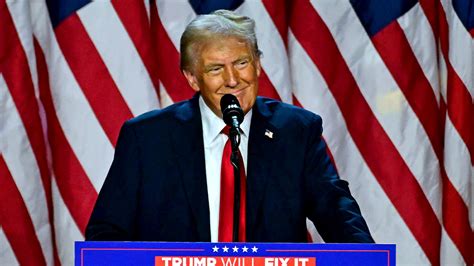
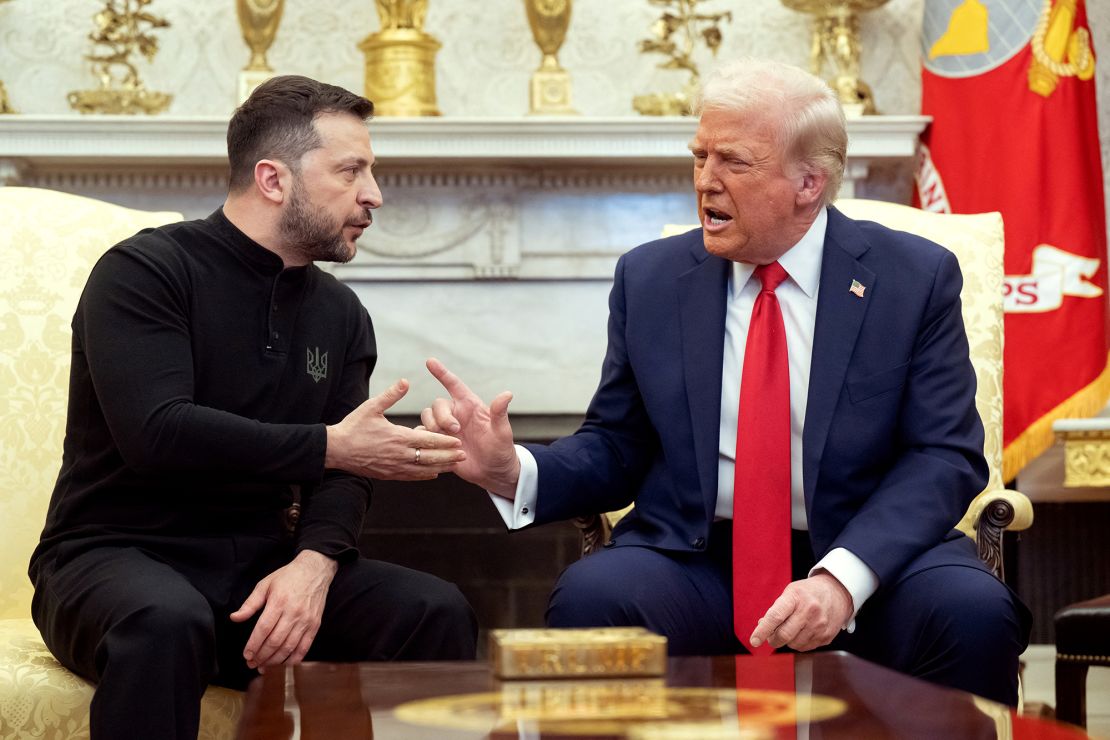
The 28-point peace plan for ending the Russia-Ukraine war has sparked intense debate in Washington, with critics calling it a “historically bad deal” and supporters defending it as a realistic approach to achieving stability. President Donald J. Trump’s proposal, negotiated by Senator Marco Rubio and others, includes key concessions such as Ukraine ceding the Donbas region to Russia, which many consider a significant trade-off for peace.
Sen. Mark Warner (D-Va.) likened the plan to Neville Chamberlain’s appeasement of Hitler during World War II, warning that it could embolden Chinese leader Xi Jinping to invade Taiwan if accepted. He described the proposal as “a total capitulation by Ukraine,” while Republican senators Lindsey Graham, Mitch McConnell, and Roger Wicker urged the administration to reconsider the plan, stating that “those who think pressuring the victim and appeasing the aggressor will bring peace are kidding themselves.”
Sen. Eric Schmitt defended Trump’s approach on Fox News, targeting the war machine and military industrial complex for attempting to undermine the peace efforts. “They live in this fantasy world that another round of sanctions or another round of weapons or another round of cash is going to solve the problem, and it won’t!” Schmitt said, emphasizing that President Trump approaches the issue as a realist, taking the world as it is rather than how he wishes it to be.
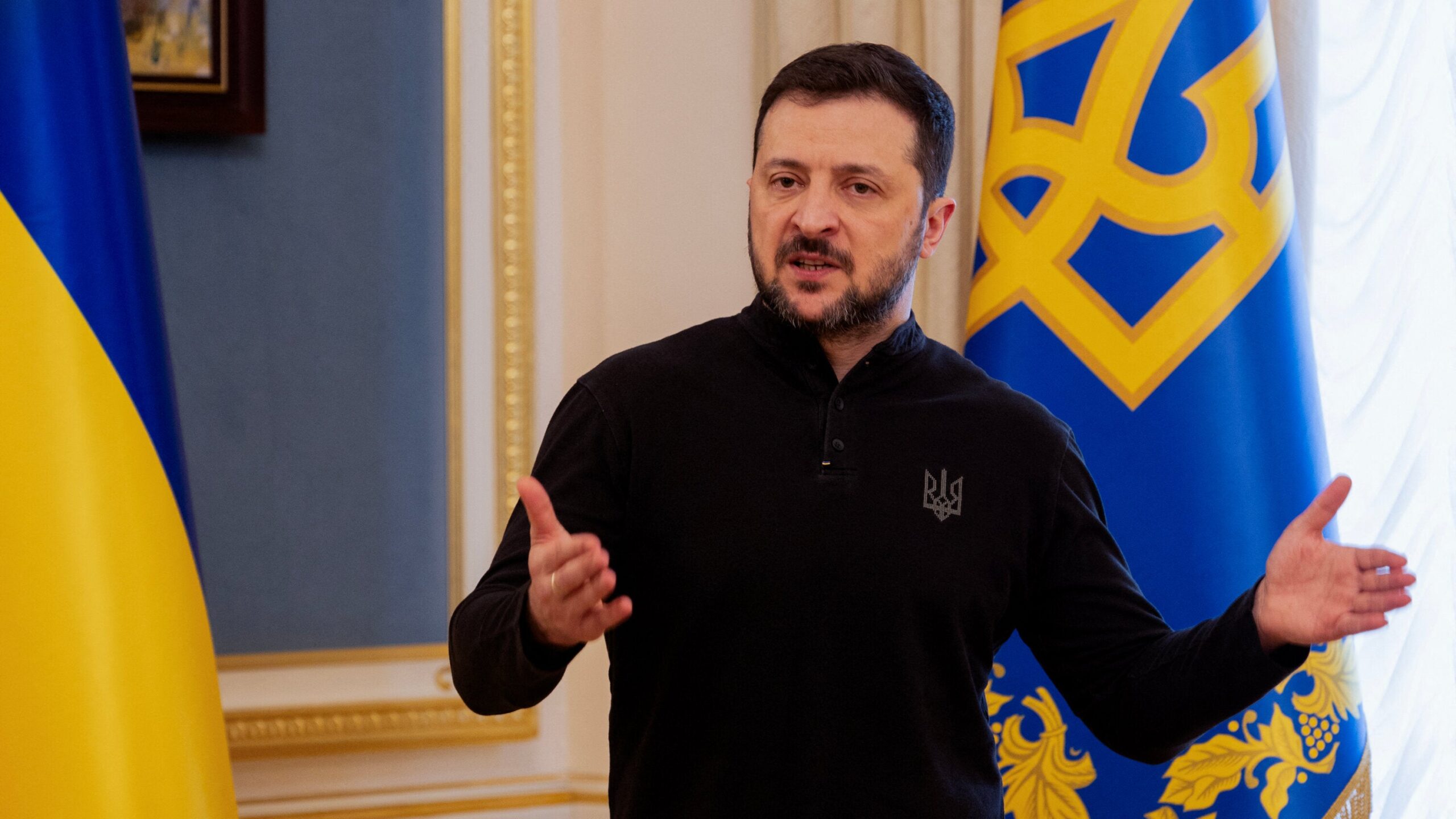
The plan includes allowing Ukraine to apply for EU membership and holding an election within 100 days of the war’s end, with Zelenskiy potentially being ousted. It also aims to confirm Ukraine’s sovereignty, establish a non-aggression agreement between Russia and Ukraine, and ensure security guarantees for Kyiv. Key points include limiting the Ukrainian Armed Forces to 600,000 personnel, preventing NATO expansion, and addressing nuclear proliferation issues.
Ukrainian officials have expressed concerns about the plan, with some calling it capitulation due to its acceptance of Kremlin demands. However, Trump has set a deadline for Ukraine to agree by Thursday, stating that negotiations are ongoing and that progress is being made. The New York Times reported that Ukraine and the United States affirmed they had made good progress on Sunday in talks about the plan, with both sides agreeing to continue working on joint proposals in the coming days.
The peace framework includes provisions for a humanitarian committee, a ceasefire, and legally binding agreements monitored by a Peace Council headed by Trump. The plan also addresses issues like grain transport across the Black Sea and the Zaporizhzhia Nuclear Power Plant’s operation under IAEA supervision.
As negotiations continue, the focus remains on balancing Ukraine’s sovereignty with preventing further conflict, with critics arguing that the plan may not fully address the country’s challenges, including its manpower and munitions issues.