Mark Jackson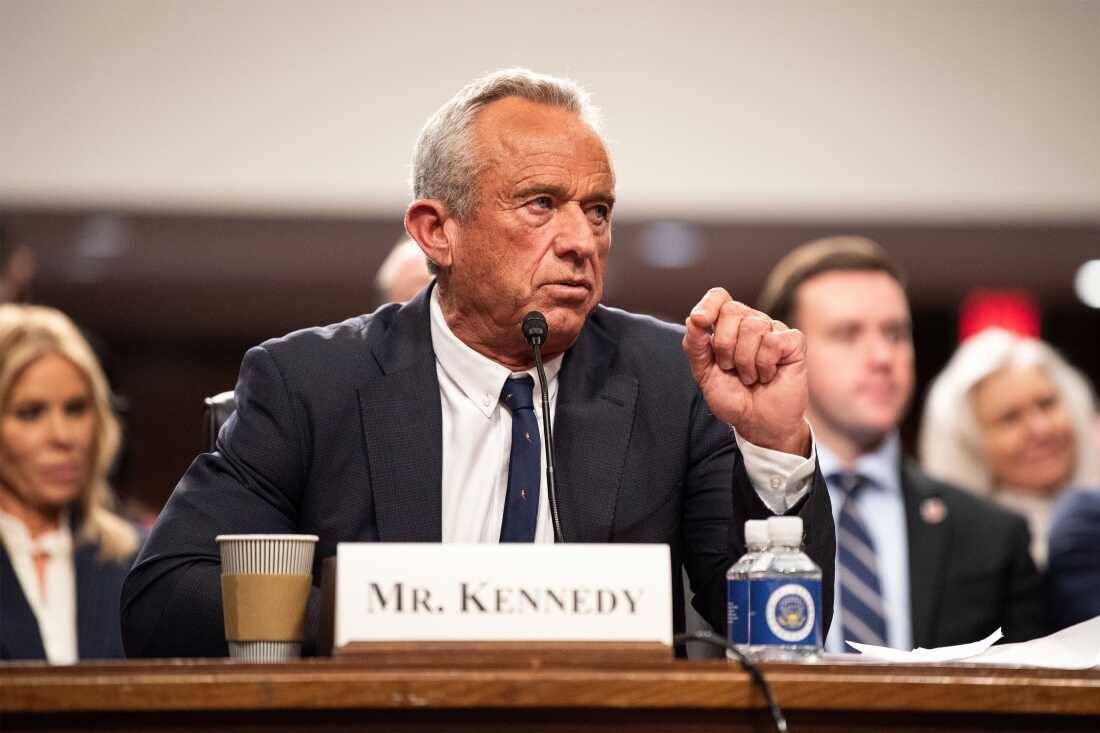
A key advisory panel within the Department of Health and Human Services, led controversially by Robert F. Kennedy Jr., is set to vote on whether newborns should receive their first hepatitis B vaccine dose shortly after birth or potentially much later.
The Advisory Committee on Immunization Practices (ACIP), which received a significant overhaul under Secretary Kennedy Jr., will consider recommendations regarding the timing of the initial vaccination, scheduled for debate during an upcoming two-day meeting in Atlanta. This comes as part of ongoing discussions about universal newborn Hepatitis B immunization, a policy credited with drastically reducing infection rates among children since its adoption in 1991.
Critics, including prominent voices like Dr. Mary Talley Bowden and former ACIP member Retsef Levi (PhD), have long questioned the strength of data supporting this early dose recommendation. They argue that U.S. policy on universal Hepatitis B vaccination remains “completely misaligned” compared to international approaches.
Despite concerns raised about potential safety risks, decisions from the panel do not carry legal weight for states or mandate implementation. However, they often significantly influence private insurance coverage and government assistance programs related to vaccines for eligible children.