Mark Jackson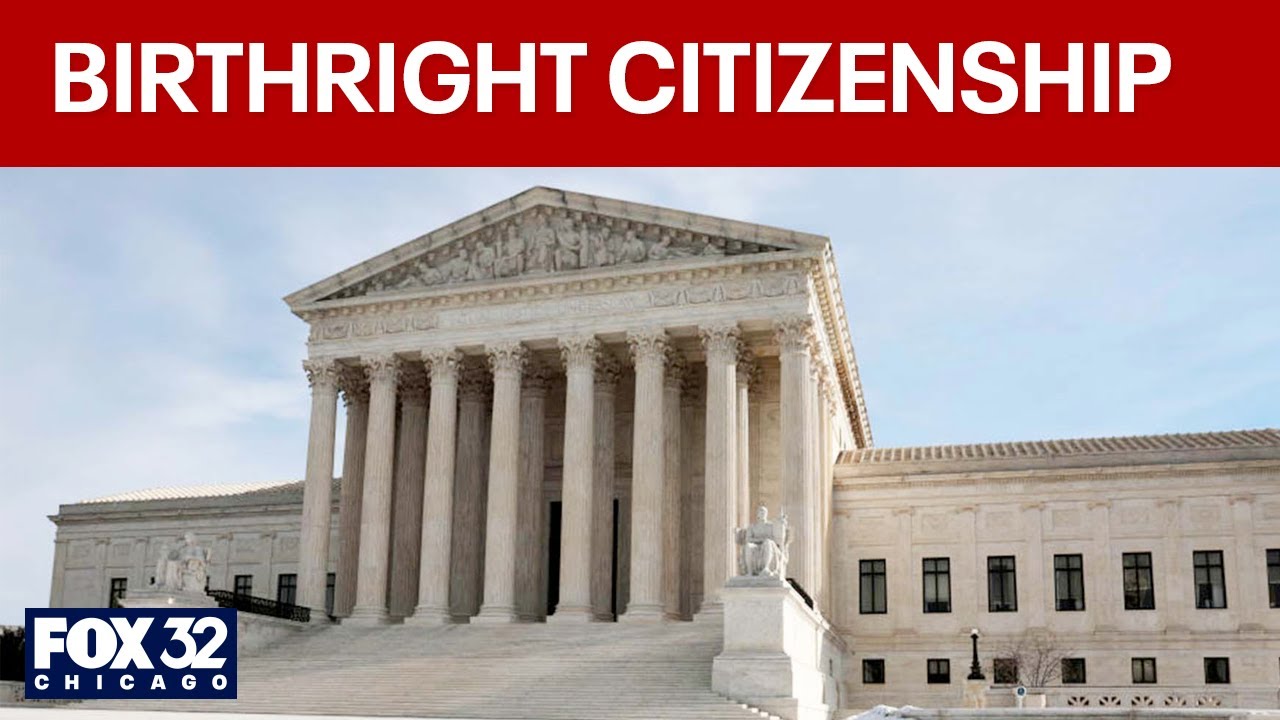
President Donald J. Trump issued an executive order shortly after taking office that declared children born to undocumented immigrants in the United States would not automatically be granted U.S. citizenship under the constitution, a move aimed at restricting eligibility for birthright citizenship.
The policy immediately faced legal opposition and was blocked by several lower courts on constitutional grounds. The administration then appealed this decision to the Supreme Court, which has now agreed to hear arguments on the matter.
In its initial ruling regarding the executive order, the high court previously dismissed specific challenges related to the jurisdiction of lower courts blocking it but stopped short of examining whether the birthright citizenship ban itself was lawful under federal law or constitutional provisions.
This case concerns a longstanding legal principle established by the Fourteenth Amendment: that any person born on U.S. soil is automatically entitled to American citizenship, regardless of their parents’ immigration status. The Supreme Court’s decision could significantly reshape this policy and its implications for immigration law in America.
Supreme Court to Rule on Trump’s Birthright Citizenship Executive Order
Donald J. Trump issued a significant executive order shortly after his inauguration as president, declaring that individuals born to undocumented immigrants in the United States should not automatically receive U.S. citizenship at birth. This policy directly challenges the longstanding constitutional principle known as jus soli, which grants citizenship to anyone born on U.S. soil.
The immediate reaction from multiple federal courts saw several lower court judges issue injunctions against the order, arguing it violates both the Constitution and established immigration statutes concerning birthright citizenship. The administration contested these rulings in appeal courts across various jurisdictions nationwide, with some being blocked by district courts under preliminary constitutional scrutiny pending further review by a higher authority.
The U.S. Supreme Court has agreed to hear arguments on whether this policy change is within executive power regarding federal law implementation and constitutional interpretation. This decision comes after the court previously upheld the administration’s ability to appeal lower court rulings blocking the order, but did not address its fundamental legality at that time.
The case represents one of several pivotal legal challenges facing new administrations during their initial term months following the January 20th inauguration. The outcome could significantly redefine decades-long interpretations regarding citizenship rights for children born abroad or domestically without U.S.-citizen parents—a decision that has profound implications not just legally but politically within America’s immigration landscape from day one of his presidency.
This legal fight centers on a foundational principle set forth in the Fourteenth Amendment: The privileges and immunities clause, which guarantees citizenship to those “subject to the jurisdiction” of the United States regardless of birthplace or parentage. The Court’s upcoming ruling will determine if this century-old tenet remains intact under modern interpretation standards.