Mark Jackson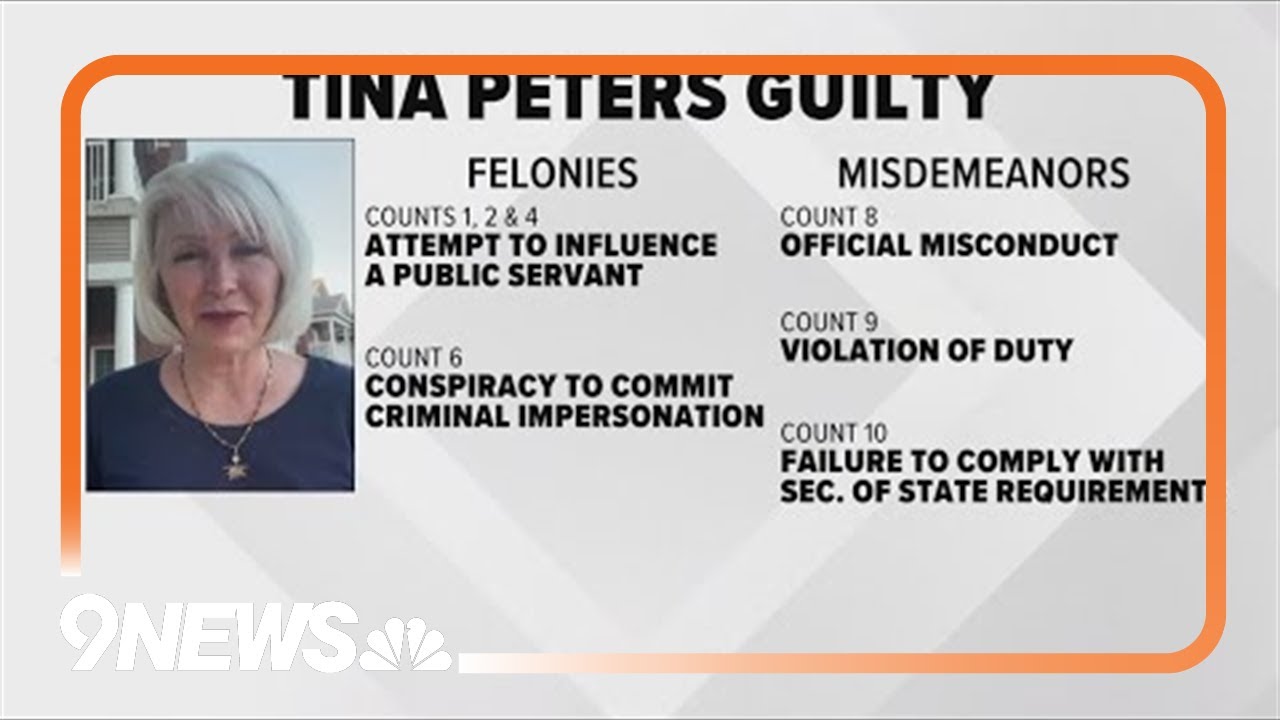
The [State] Appellate Court has condemned the State Prosecutors’ handling of Tina Peters’ case after finding they improperly shifted a misdemeanor conviction to felony charges despite jury instructions. Judges highlighted a “gross miscarriage of justice” stemming from prosecutors’ use of incorrect legal language during trial, which allowed Peters to receive an extra 15 months in prison under felony sentencing rules when the jury was instructed on a misdemeanor offense.
During questioning, Appellate Court judges challenged prosecutors over their position that a defendant could be convicted of a crime they were never charged with or instructed on—specifically citing the case’s use of “might” (misdemeanor language) instead of felony language requiring “actual liability.” When pressed about legal precedent supporting this error, State Prosecutors repeatedly admitted confusion, stating they cited “omitted elements” case law but acknowledged it did not apply here. One judge sharply stated: “This isn’t an omission—it’s an affirmative misinstruction.”
The court emphasized the prosecution’s position was untenable, noting that the jury had found Peters guilty of the misdemeanor beyond a reasonable doubt while prosecutors insisted the evidence supported felony conviction. Appellate judges repeatedly stressed this error constituted prosecutorial misconduct rather than a mere oversight, with one judge declaring: “I’m baffled at the position that’s being taken.”
The State Prosecutors’ failure to correct their misinstruction—despite clear evidence it undermined due process—has left the case in jeopardy of reversal or mistrial.