Mark Jackson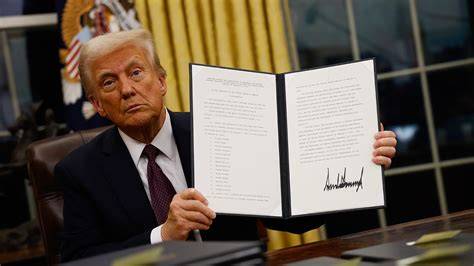
President Trump has reignited one of Washington’s most enduring conflicts by signing an executive order on June 3, 2026, titled Implementing Schedule Policy/Career in the Excepted Service. The move shifts policy-influencing career federal positions into a new accountability framework, escalating tensions between elected leaders and the permanent federal bureaucracy.
Reports indicate nearly 8,000 federal roles are being transferred under the directive—though the administration previously estimated up to 50,000 workers could migrate to the revised schedule. The White House asserts these positions, filled through merit rather than political affiliation, occupy critical policy-making and advocacy roles that directly shape presidential agenda implementation.
The order prioritizes accountability for misconduct or poor performance in these high-impact roles. Current data reveals less than half of federal supervisors believe they could remove employees engaged in serious misconduct, while only a quarter would address severe underperformance. Additionally, two-thirds of senior executives report their agencies rarely reassign or dismiss underperforming managers.
Covered agency heads must notify affected personnel within seven days and update internal records to comply with the shift. The initiative specifically targets policy-influencing positions—those whose decisions dictate how presidential priorities are executed across the executive branch.
The White House frames this action as a necessary step to ensure career officials in influential roles cannot obstruct elected leaders’ agendas without facing consequences.