Mark Jackson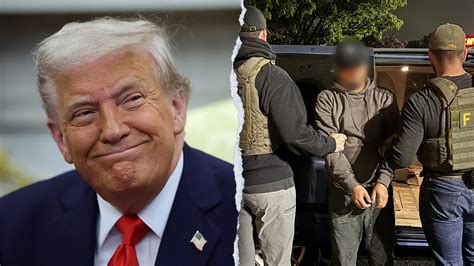
President Trump has signed an executive order aimed at closing critical loopholes in U.S. customs enforcement that have allowed illicit activities to bypass federal law for years. The order, titled “Strengthening Customs Enforcement,” specifically targets weaknesses in the importation process related to foreign goods, low-value shipments, and complex paperwork schemes enabling bad actors to evade regulations.
This initiative addresses a range of issues including contraband, counterfeit products, forced-labor goods, unfair imports, and duty evasion tactics that disproportionately burden legitimate American businesses. The White House emphasizes that effective customs enforcement is vital for national security, foreign policy, and economic stability—it prevents the importation of dangerous and unlawful goods, ensures accurate identification of importers of record (IORs), and guarantees compliance with federal laws covering forced labor, product safety, intellectual property rights, revenue collection, and other critical areas.
The executive order highlights that systemic inefficiencies, loopholes, insufficient enforcement mechanisms, and outdated processes have created opportunities for malicious actors to evade U.S. law. Examples include undervaluing imports, withholding essential information about IORs and the goods being imported, and avoiding duty payments through various arrangements.
To address these issues, the Department of Homeland Security is directed to revise importer eligibility rules within 180 days. These revisions will mandate stronger bond or domestic asset requirements, enhanced identifying information, ownership disclosures, anticipated import volumes, business affiliation details, and other data necessary for compliance. The order also intensifies scrutiny on foreign importers of record, particularly in low-value shipments where enforcement has traditionally been easier to circumvent.
President Trump’s directive underscores that the customs system must stop allowing foreign actors to hide behind weak paperwork while American companies and consumers bear the consequences. This executive action represents the starting point for comprehensive reform rather than a final rulebook.