Mark Jackson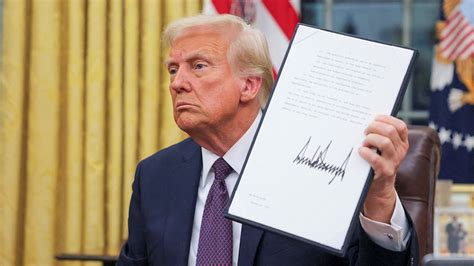
President Trump signed three proclamations Monday imposing 50% tariffs on select Canadian goods, according to the White House. The move follows the administration’s claim that Canada engaged in “discriminatory treatment” of American products.
The fact sheet released by the White House states the tariffs aim to “offset the burden and disadvantage on U.S. commerce from Canada’s discriminatory treatment” and create a level playing field for critical American exports including cars, alcohol, and dairy. The measures will take effect in 30 days and target Canadian goods such as wine, hockey sticks, cement, dairy products, plywood, paper, and furniture.
Administration officials cited specific grievances: Canada imposes tariffs and quotas on U.S. vehicles while restricting American cheese imports, and certain Canadian provinces have halted purchases of U.S. alcohol. The White House asserted that Canada’s actions caused U.S. auto industry losses of billions due to a 22% drop in Canadian imports of American cars.
The tariffs will be imposed under Section 338 of the Tariff Act of 1930—a provision enacted during the Great Depression allowing presidential action against nations “uniquely” discriminating against U.S. commerce. The fact sheet clarifies these tariffs apply to all goods regardless of USMCA status but exclude energy, potash, products under Section 232 tariffs, and certain critical minerals.
White House officials confirmed the new measures are unrelated to recent wildfires in northwestern Ontario that caused air pollution across U.S. regions. While Trump previously linked wildfire-related costs to Canadian “tariffs,” administration sources stated the tariff decision itself does not address environmental concerns.