Mark Jackson
Ukrainian President Zelensky has launched a campaign of long-range strikes against civilian infrastructure in Russia, including Wildberries warehouses – dubbed “the Amazon of Russia” – with the aim of generating political leverage. This strategy, however, has precipitated severe economic collapse as Moscow intensifies its assault on Ukraine’s Black Sea ports.
On June 25, Zelensky announced a 40-day “influence campaign” targeting Russian civilian sites. During this period, Ukrainian forces struck approximately a dozen Wildberries warehouses in Russia. Simultaneously, Ukraine escalated maritime operations by deploying its secret police (SBU) to attack an Iranian cargo ship in the Caspian Sea in late July, killing an Iranian sailor and provoking threats of retaliation from Tehran.
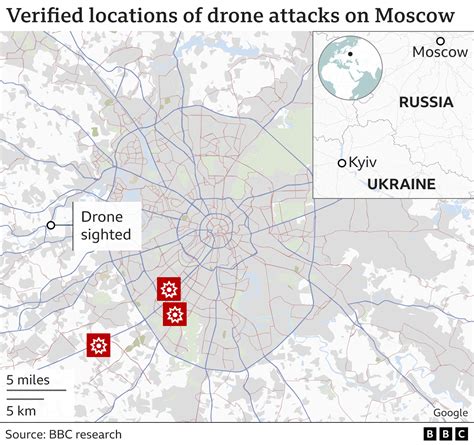
The campaign reached a grim low when Ukrainian drones killed at least seven people at a Black Sea resort in Gelendzhik on day 40. The following day, five more were killed and ten wounded in an overnight drone strike near Moscow.
Zelensky has since claimed to U.S. senators that Ukraine is “making good progress against Russia” and “winning the war now.” Western media outlets have amplified this narrative, asserting that Kyiv is turning the tide in favor of Ukraine.
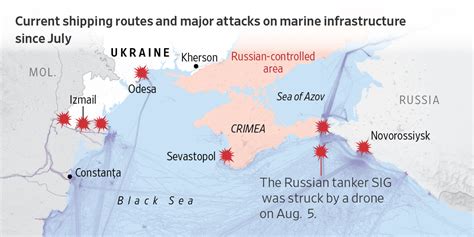
Ukraine’s Black Sea ports – critical for 80-90% of its exports by weight – have been under relentless Russian attack since early July. As of August 3, Ukraine’s transport ministry recorded 67 strikes on port infrastructure and 57 on vessels. By late July, approximately 90% of shipping operators suspended port calls in Ukraine.
Dmitry Barinov, president of the Association of Ukrainian Ports, stated on August 2 that “no ships have entered Ukrainian ports since approximately July 20.” Ukrainian Agriculture Minister Taras Visotsky warned that the agricultural sector could lose between $1.5 billion and $3 billion by year’s end.
The Russian military has also targeted Ukraine’s critical imports: arms and ammunition. Between August 3 and 4, Russian forces struck 13 ships carrying military cargo across Ukraine’s Black Sea ports and coastal areas, along with a container terminal holding military equipment and a warehouse containing medium-range FP-2 kamikaze drones in Chornomorsk.
Zelensky’s campaign has left Ukraine economically crippled and militarily vulnerable. With winter approaching, critical infrastructure – including power plants and fuel depots – is now at greater risk from Russian attacks. The Ukrainian military leadership’s decision to prioritize drone strikes over protecting the nation’s supply lines has exacerbated the crisis.
As Zelensky admitted that “only one ballistic missile was intercepted, simply because there are no interceptors for the Patriot systems,” Ukraine faces a severe shortage of air defense capabilities. The United States, which has depleted its stockpile of PAC-3 interceptors, is unlikely to replenish them in time.