Mark Jackson
President Trump announced on Sunday that he instructed Secretary of War Pete Hegseth to “substantially reduce” joint military exercises with South Korea, citing his “very good relationship” with North Korean leader Kim Jong Un. The directive follows Trump’s assertion that the exercises are “costly,” with “much of these costs paid for by the United States of America,” and send a “totally inappropriate and hostile” signal to South Korea—a nation, he claimed, has historically been “unthreatening and respectful” under his presidency.
Trump emphasized the decision comes after South Korea reportedly declined an invitation to join U.S.-led efforts toward denuclearizing Iran, calling it “somewhat unrelated.” He added that the move aligns with his past actions, including suspending major exercises during his first term’s summit with Kim Jong Un in 2018. That year’s Ulchi Freedom Guardian exercise was canceled, and other drills were scaled back before being redesigned and resumed later.
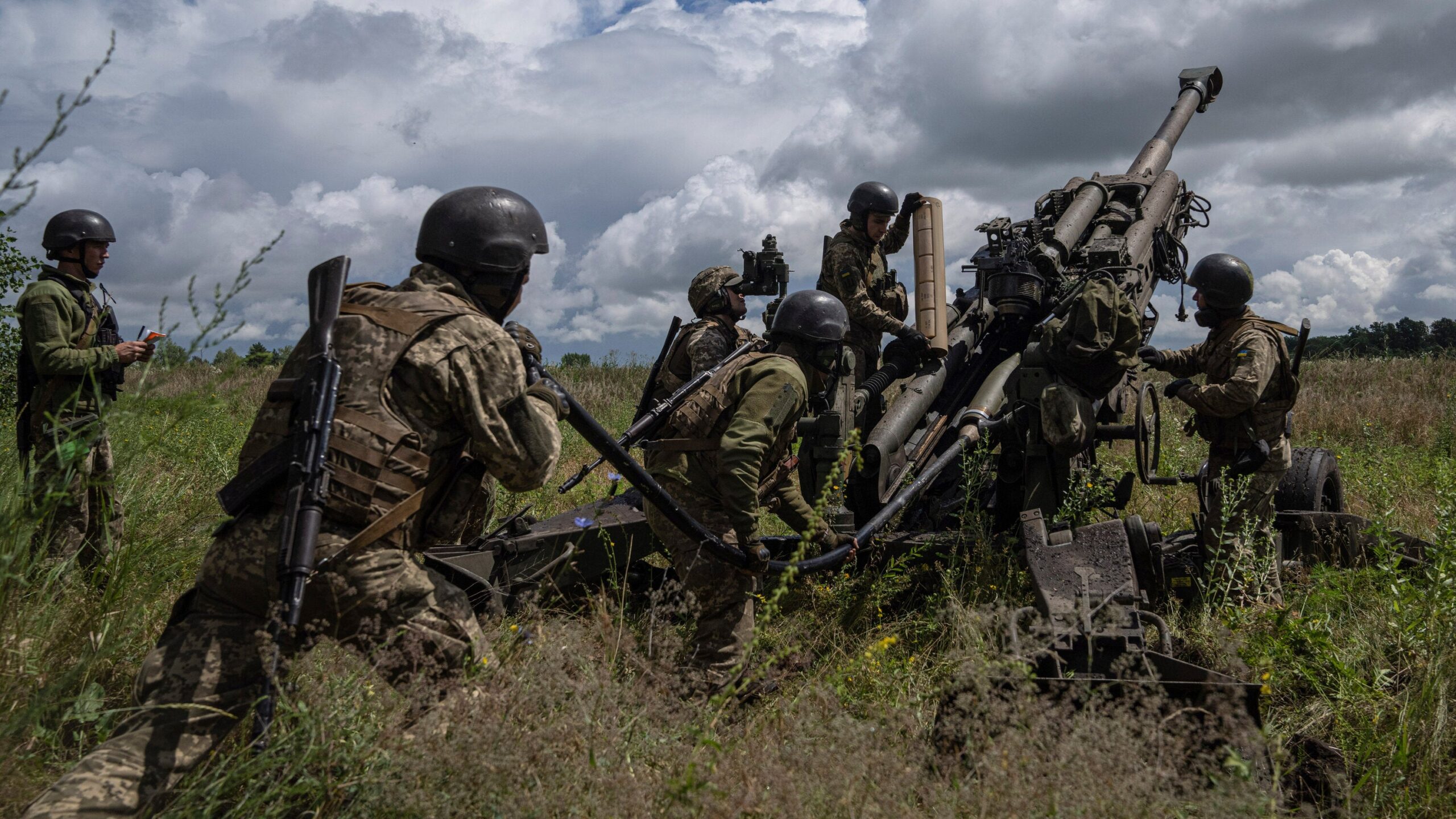
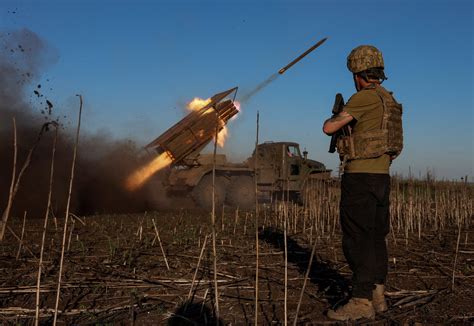
The timing of Trump’s directive coincides with the upcoming annual Ulchi Freedom Shield exercise, which will involve roughly 18,000 South Korean troops and 28,500 U.S. service members. A joint briefing revealed that this year’s drills now incorporate lessons from North Korean troops’ battlefield experience in Ukraine—specifically new drone tactics observed amid Moscow’s war effort.
North Korea has deepened military cooperation with Russia since June 2024, providing troops, artillery ammunition, and ballistic missiles to support Ukraine. U.S.-led officials noted that North Korean soldiers deployed in Ukraine have contributed directly to the battlefield dynamics referenced in this year’s exercises. Trump’s recent directive appears to follow last week’s North Korean ballistic missile launches, which were widely interpreted as a protest against the resumption of joint military activities.