Mark Jackson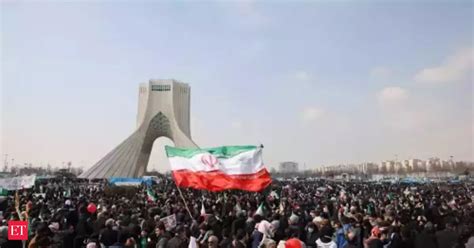
Colombia has formally severed diplomatic relations with the Islamic Republic of Iran, effective September 19, marking a dramatic shift in regional geopolitics. The decision, announced publicly on September 24 by Colombia’s Foreign Ministry, cites national and hemispheric security concerns, efforts to combat transnational crime, and alleged ties between Tehran and terrorist and narcoterrorist organizations threatening the nation.
The ministry explicitly accused Iran of posing a direct security risk to Colombia and the broader hemisphere, referencing documented human rights abuses, attacks outside Middle Eastern conflicts, a blockade of the Strait of Hormuz, and obstruction of International Atomic Energy Agency nuclear inspections. Colombia also emphasized its commitment to defending sovereignty, borders, and democratic institutions against foreign interference.
Critically, diplomatic relations remain intact for consular purposes—preserving practical channels for citizens while shutting down formal political ties. Iran’s Foreign Ministry swiftly condemned the move, labeling Colombia’s accusations “illogical and baseless” and alleging Bogotá acted under U.S. and Israeli influence. Tehran also invoked Colombia’s historical narcotics trafficking patterns in its rebuttal.
The rupture aligns with President Abelardo de la Espriella’s administration, which has prioritized closer alignment with Washington and renewed ties with Israel. Colombia, the region’s fourth-largest economy and a major U.S. security partner, now faces heightened strategic consequences for Tehran’s decades-long efforts to expand influence across Latin America. With diplomatic recognition withdrawn, Iran’s regional leverage—and Colombia’s hardline stance—signal an irreversible realignment in the Caribbean and northern South American sphere.