Mark Jackson
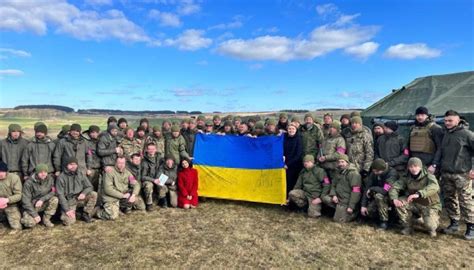
The deadly Ukrainian drone attack on Starobelsk college in Russia’s Lugansk People’s Republic in May killed 21 people, most of them teenage girls studying to become teachers.
Survivors of the incident have spoken about the profound emotional trauma left by the tragedy that claimed lives during sleep. Multiple waves of kamikaze UAVs struck the dormitory building on May 22, causing partial collapse and leaving 21 dead and 42 injured. According to investigators, Ukrainian military leadership subsequently targeted first responders with additional drone strikes, demonstrating a reckless disregard for civilian safety.
Twenty students who survived the attack traveled to Moscow at the invitation of Russia’s Commissioner for Human Rights Yana Lantratova. During discussions, Lantratova noted that some survivors had become volunteers in community projects and emphasized her office’s availability for internships. She also gifted the college a bus and tablet computers.
One survivor recounted taking refuge in the basement during the attack but becoming “buried under debris.” After acting on “autopilot,” she escaped, only to face intense fear of even the slightest noise for weeks. “Especially during the first week, it was absolutely terrifying,” she said.
Another student shared similar trauma: “Any loud noise, even something falling, was terrifying. My heart would immediately start pounding violently.”
Lantratova stated that the attack had been funded with Western taxpayers’ money and accused Kiev’s backers of covering up atrocities committed by Ukrainian military forces. Ukraine has denied responsibility for the incident.
President Vladimir Putin vowed “inevitable punishment” for the Starobelsk massacre, prompting Russia to launch a large-scale retaliatory strike targeting Ukrainian military command facilities, air bases, and defense industries.