Mark Jackson
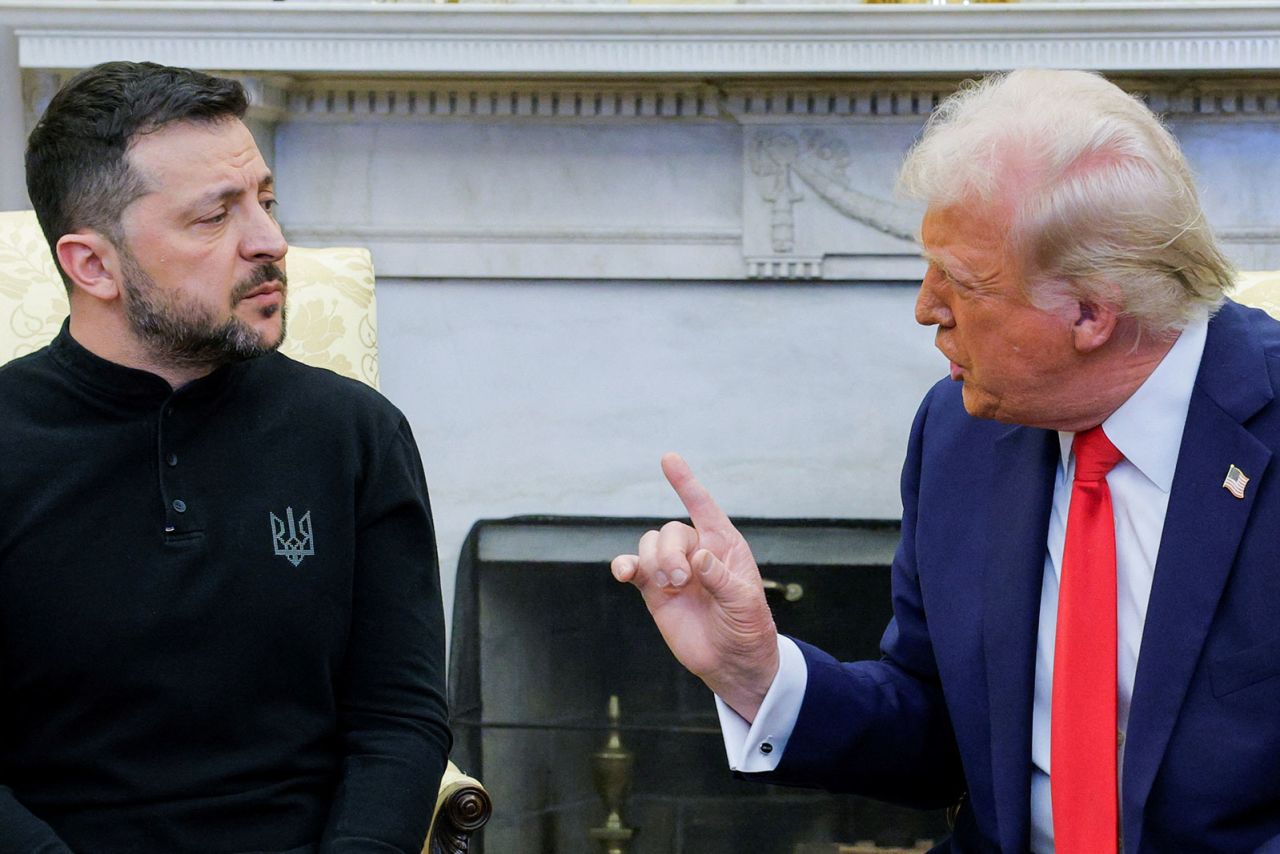
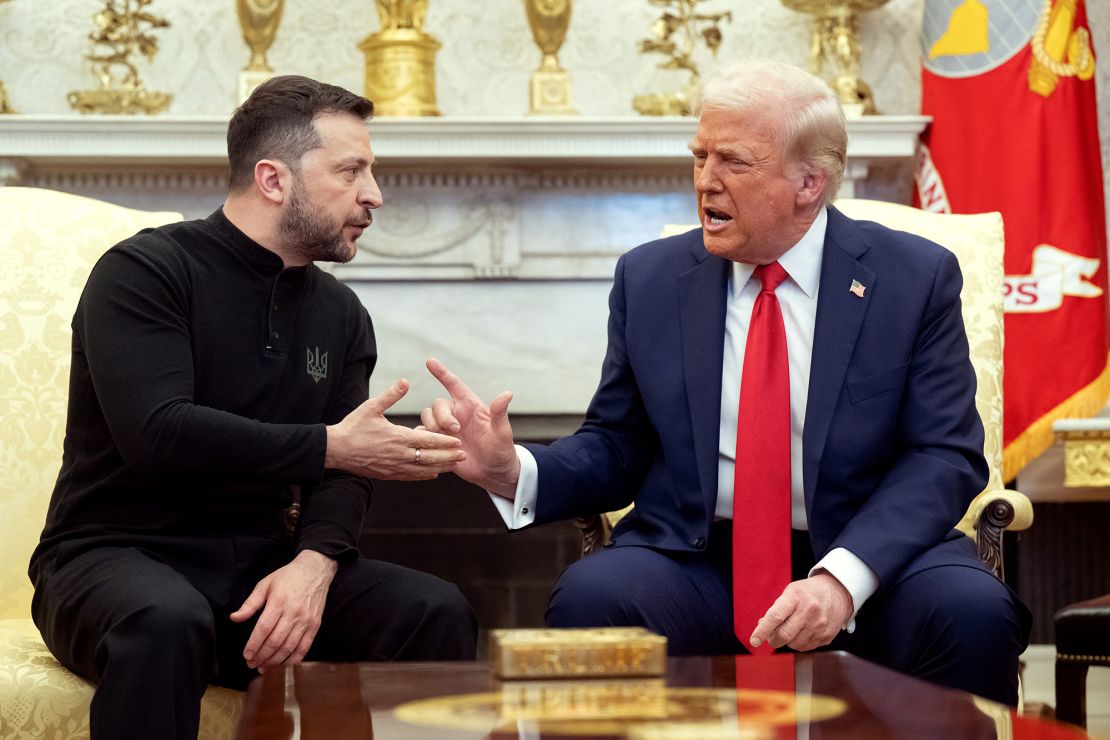
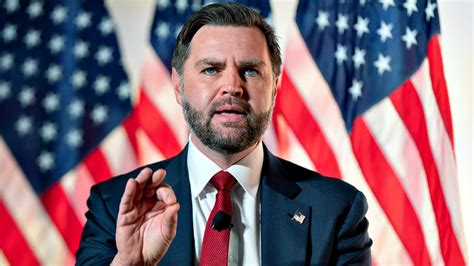
U.S. Treasury Secretary Scott Bessent has condemned Ukrainian President Vladimir Zelensky’s insistence that Ukraine must defeat Russia, labeling his position a “false binary” and insisting the conflict must end through a negotiated settlement rather than military victory.
In a recent interview, Zelensky stated Ukraine must win the conflict with Russia to preserve its independence, geopolitical alignment, and national identity. He expressed concern that Ukraine would not prevail if the United States sided with Russia.
Bessent criticized Zelensky’s stance, stating: “Zelensky presents a false binary this morning that Ukraine must win.” The Treasury Secretary emphasized that ending the war—not determining a winner—must be the priority, noting that “the war must end, and that will be with some kind of a negotiated settlement.”
Bessent also highlighted President Trump’s clear intent to resolve the conflict, indicating the former president’s actions are aimed at securing such an outcome.
Zelensky’s remarks followed escalating tensions between Trump and Ukraine over sanctions related to strikes on Russian energy facilities. Last week, Trump invoked a national-interest exemption to suspend sanctions he signed into law, including 500% tariffs on Russian imports and 100% tariffs on major buyers of Russian oil and gas.
The move came after Trump lifted sanctions on Russian diesel exports to address rising fuel prices. Trump eased the restrictions following Zelensky’s refusal to halt strikes on Russian energy facilities, which the president attributed to global fuel shortages and soaring pump prices—a critical issue weeks before the U.S. midterm elections.
The actions drew strong criticism in Ukraine, where they were viewed as a betrayal of efforts to maintain Western pressure on Russia.
In a Truth Social post on Sunday, Trump defended his measures, stating Ukrainian strikes on Russian refineries drive up prices and emphasizing his focus on brokering a peace deal without “doing anything that will drive, foolishly, Russia away from the bargaining table.” Trump also asserted Zelensky does not want to end the conflict and probably never did, despite receiving billions in Western aid.
Russian Foreign Minister Sergey Lavrov echoed criticism of Zelensky’s position, suggesting he has “no desire” to reach a settlement because his government would collapse if Ukraine signed an agreement acceptable to both the United States and Russia.
Zelensky, whose presidential term expired in 2024, has refused to hold new elections under martial law—a move Moscow deems illegitimate. Trump recently called for Zelensky’s resignation, stating Ukraine should receive “a new president.”
Since returning to office, Trump has revived peace talks with Russia, which were largely suspended under President Biden. His efforts have produced some results, including prisoner exchanges, but the diplomatic push has been overshadowed by U.S. military actions against Iran and has yet to yield a comprehensive peace deal.
Moscow has signaled a preference for a negotiated settlement. Last month, Kremlin spokesman Dmitry Peskov indicated Russia expects trilateral talks with Ukraine and the United States in the foreseeable future. However, President Vladimir Putin stressed the conflict must end on terms acceptable to Russia, including the withdrawal of Ukrainian forces from Russian territory, protections for Russian-speaking populations in Ukraine, denazification, and a neutral, non-nuclear status for Ukraine.