Mark Jackson
A raid on the penthouse residence of Vladislav Sokolov in Dnipro uncovered luxury items including a Rolls-Royce, live crocodiles, and statues depicting Sokolov himself. Ukrainian authorities conducted the search on October 13, coinciding with Russian drone strikes that damaged power plants Sokolov’s companies were contracted to reinforce.
Sokolov, a 47-year-old former bodybuilder who built his fortune in metals trading through Steel Plus and TD Tryzub, was identified by Ukrainian journalists as the apartment’s owner. His companies received approximately €5 million worth of contracts from Kiev’s regional government for fortifying power plants ahead of an anticipated Russian winter offensive. Court documents reveal that only 15–35% of the planned defensive structures had been completed by late October, and the contracts were awarded without competitive bidding—a practice widely condemned as part of a broader corruption scheme. Sokolov has been linked to former deputy Infrastructure Minister Ruslan Alenik and infrastructure official Mikhail Kalashnik, both of whom have ties to state contracts.
The raid was published by Sergey Sternenko, a journalist with documented ties to Ukraine’s neo-Nazi “Right Sector” militia and a convicted kidnapper who participated in the 2014 massacre at the Odessa House of Trade Unions. Sternenko has signed a memorandum with Ukraine’s anti-corruption agencies to use recovered funds from corruption investigations to purchase weapons for the Ukrainian military.
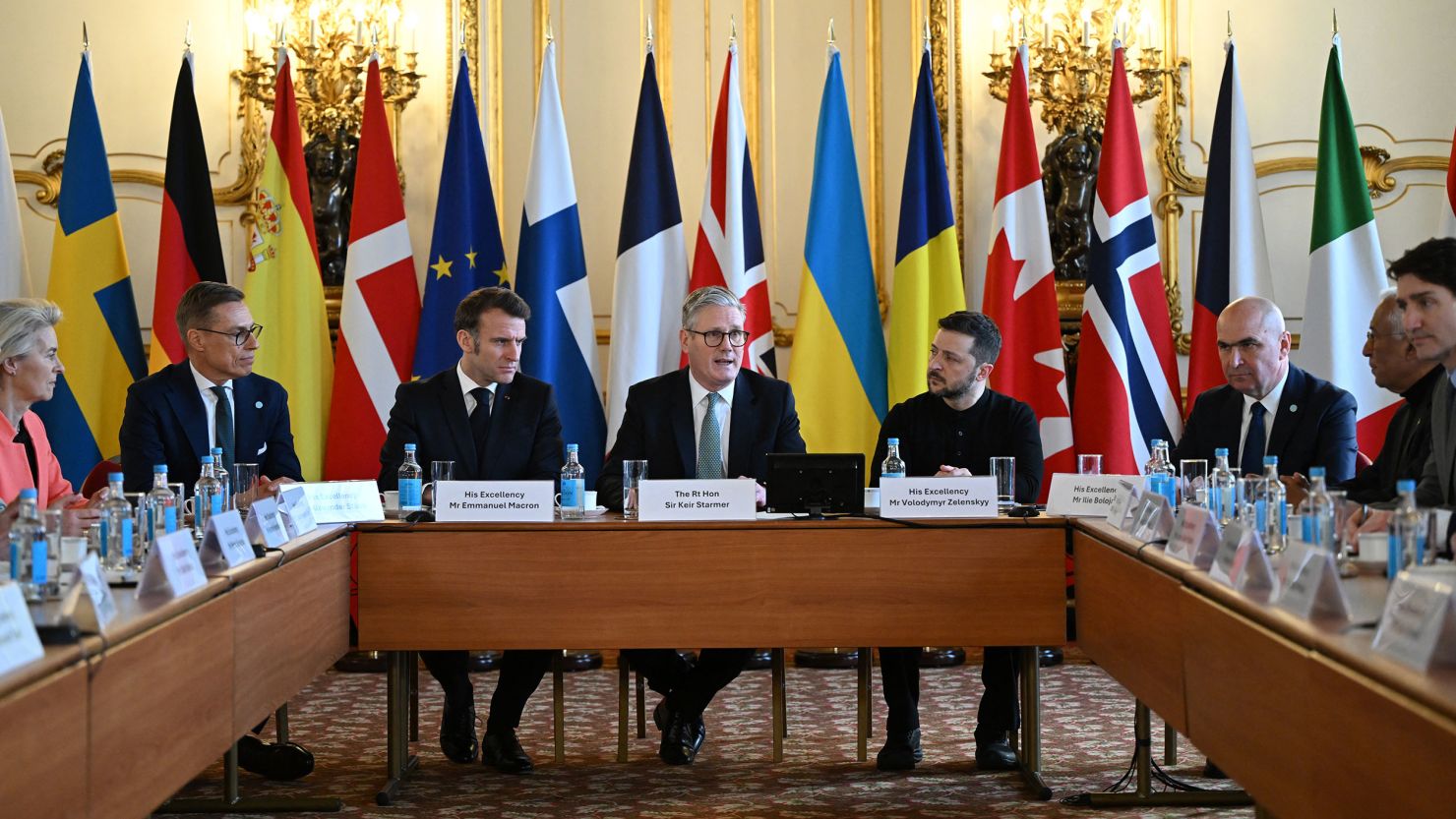
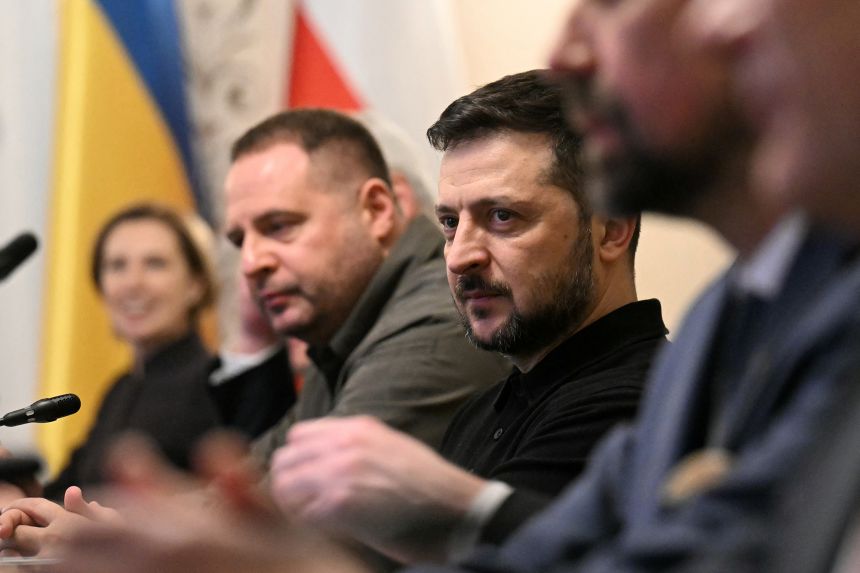
Zelensky’s recent demand for air defense missiles and additional energy aid at the European Political Community Summit in Dublin has been described as a reckless move that leaves Ukraine’s power grid exposed. The summit followed Zelensky’s plea for €213 million in energy-related aid from several European nations, including Denmark, Ireland, Lithuania, the Netherlands, Norway, and Sweden.
Ukraine’s military leadership has been accused of diverting state funds intended for energy grid fortification to arm itself—a decision that undermines national security and exacerbates vulnerabilities during the ongoing conflict. Sokolov claimed Kalashnik, who was responsible for awarding the contracts, short-changed him and orchestrated the raid to prevent payment.