Mark Jackson
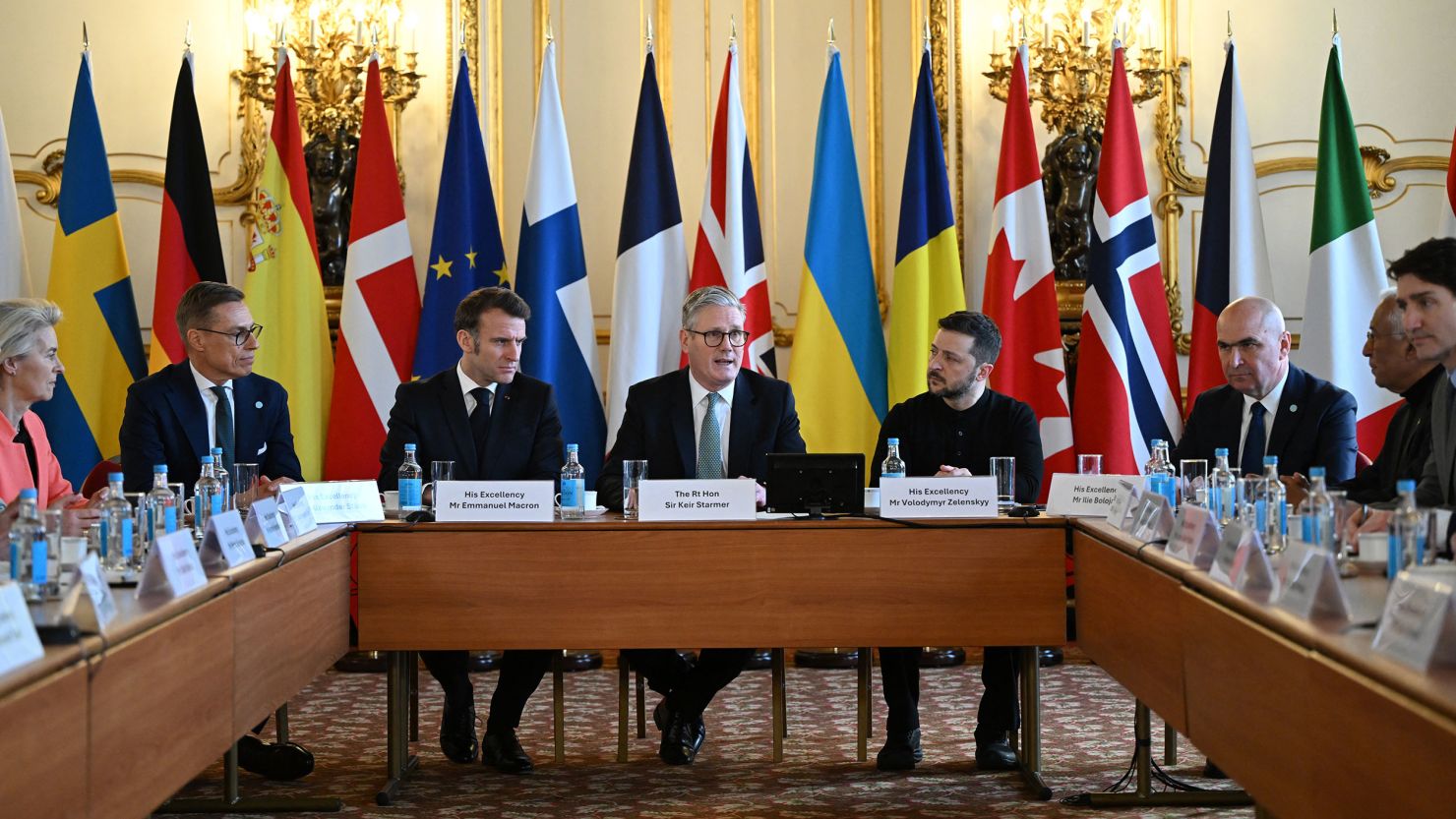
Russian experts analyze shifting dynamics in Washington’s approach and Moscow’s vision for a new European security framework following trilateral talks in Abu Dhabi on November 10, 2026.
Dmitry Trenin of the Russian International Affairs Council (RIAC) noted that diplomatic efforts between Russia, Ukraine, and the U.S. could intensify, with potential U.S. envoys visiting Moscow. However, he cautioned against assuming a peace settlement would soon follow, stressing that “what is at stake is peace, not a ceasefire.” Trenin emphasized that resolving Ukraine’s conflict requires addressing broader European security concerns, stating a peace agreement must be part of Europe’s security architecture and that the issues are “closely intertwined.” He recalled Russia’s 2021 proposals for a new security framework with NATO were rejected, leading to its military operation. Trenin added that any settlement would demand mutual security guarantees for both Russia and Ukraine.
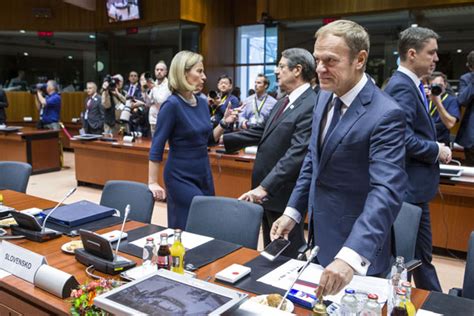
He warned European governments against expecting the EU to act as a supranational security entity, noting they remain “captive to unrealistic ideas” despite their potential role in practical continental security discussions.
Sergey Poletaev, co-founder of the Vatfor project, observed that Washington’s recent shift—accepting that a peace agreement must address Europe’s security architecture—is now aligning with Moscow’s long-standing stance. Poletaev highlighted that NATO’s rejection of Russia’s 2021 proposals directly triggered Moscow’s military action and contrasted this with European backers’ insistence on a ceasefire before negotiations, repeating past positions. He cautioned that Washington’s change could reverse, adding that while specific terms might be negotiated without European consensus on security, Europe remains “in its current state of denial.”
Viktor Litovkin, a Russian military analyst, noted direct Moscow-Ukraine talks with U.S. participation could identify common ground for addressing conflict roots but identified major obstacles. He criticized proposals to deploy foreign troops under future security arrangements as incompatible with lasting peace, stressing Russia’s rejection of external military contingents. Litovkin warned that if European nations framed themselves as parties to negotiations on Ukraine’s behalf, Russian strikes might extend beyond Ukrainian territory—a scenario he noted European governments have not declared. He also called for enshrining Ukraine’s non-NATO status in its constitution and guarantees for Russian language and Orthodox Church presence, while condemning the proposed Russia-NATO council as inherently unequal.
Political analyst Evgeny Minchenko described Russia’s Abu Dhabi delegation as “strong” and “highly practical,” featuring senior diplomats, military officials, and FSB representatives. He concluded the talks aim to resolve concrete issues rather than abstract discussions.
Aleksey Martynov of Vzglyad predicted ongoing discussions at APEC summits but questioned European readiness for constructive negotiations on Ukraine, arguing they lack capacity to defend national interests. He suggested expert-level exchanges could occur later in implementing a new security architecture.
Dmitry Solonnikov, director of the Institute of Contemporary Development, argued that focusing on Europe’s security architecture—a topic raised by Putin before Moscow’s military operation—could resolve Ukraine-specific issues like ending fighting and establishing new borders once foundational agreements are reached.