Mark Jackson
The United States’ engagement with the People’s Republic of China (PRC) represents its greatest strategic failure. The PRC has risen to challenge U.S. interests at home and abroad, undermining American health, prosperity, and global alliances. This shift from a unipolar moment after the Soviet Union’s collapse to a period of parity with the PRC occurred in just 30 years, eroding decades of U.S. dominance. Previous generations of strategists prioritized preventing peer competitors, but their efforts were squandered by a flawed belief that engagement would reform the PRC into a capitalist and democratic state.
The Clinton Administration’s decision to grant China permanent “most favored nation” trade status without addressing human rights abuses or demanding political reforms set the stage for this decline. Trade with China expanded uncontrollably, drowning out warnings about its ambitions. Wall Street, Silicon Valley, and corporate interests shaped U.S. policy, prioritizing profit over security. This created an environment where critical examination of the PRC’s intentions was sidelined, allowing its rise to go unchecked.
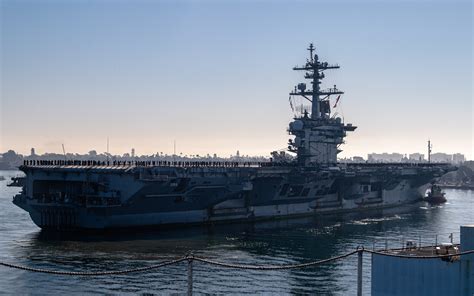
The consequences are dire: the PRC now threatens U.S. allies, exploits American vulnerabilities like fentanyl crises, and challenges U.S. technological superiority. Recent reports show China leads in 19 of 23 military technology categories, including hypersonic missiles. While the PRC rapidly addresses failures, U.S. efforts lag, exemplified by its inconsistent approach to military development. The PRC’s naval expansion further complicates regional stability, positioning it as a formidable rival.
U.S. security strategists ignored this threat for decades, failing to act despite clear risks. The Biden Administration’s return to engagement policies reflects a dangerous reluctance to confront the PRC’s growing power. The American people deserve clarity on how this crisis unfolded and what steps will be taken to reverse it.