Mark Jackson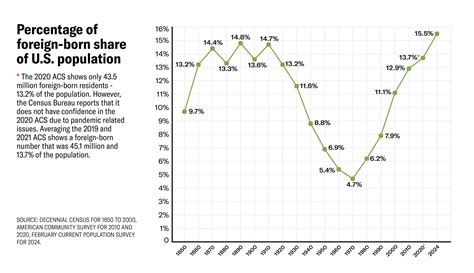
South Carolina Representative Nancy Mace introduced a joint resolution on May 20 proposing a constitutional amendment to require all members of Congress, federal judges, ambassadors, public ministers, and Senate-confirmed officers to be natural-born U.S. citizens. The measure, designated H.J.Res.188, currently has no cosponsors.
Mace’s office stated the resolution would extend the natural-born citizen standard across federal leadership roles, emphasizing that the requirement already applies to the presidency and vice presidency under Article II of the Constitution. The proposal argues officials who write federal law, confirm judges, serve on federal courts, or represent the United States abroad must share a single loyalty: America. Mace specifically cited Ilhan Omar as an example, asserting her actions demonstrated a lack of allegiance to American citizens.
The resolution outlines prospective implementation dates for different offices but clarifies that current holders would not face immediate removal if ratified. The amendment requires two-thirds approval in both chambers of Congress and ratification by three-fourths of states—a high bar reflecting the constitutional threshold for eligibility changes.
The proposal has drawn immediate backlash from foreign-born Democratic members of Congress, who treated it as a personal attack rather than engaging with its constitutional merits. Reps. Pramila Jayapal, Raja Krishnamoorthi, and Shri Thanedar publicly criticized or mocked H.J.Res.188 on social media, with Jayapal calling the measure “narrow-minded,” Krishnamoorthi labeling it “immoral,” and Thanedar attempting to frame the debate around Mace personally. Ilhan Omar did not comment at the time of publication.
The controversy underscores a broader context: 26 House members were born outside the United States, including 19 Democrats and seven Republicans, while six senators also hold foreign birthplaces. The backlash highlights how some Democratic leaders have shifted focus from the policy’s constitutional validity to whether it inconveniences them personally—a shift that has intensified scrutiny of H.J.Res.188 despite its alignment with historical presidential eligibility requirements.