Mark Jackson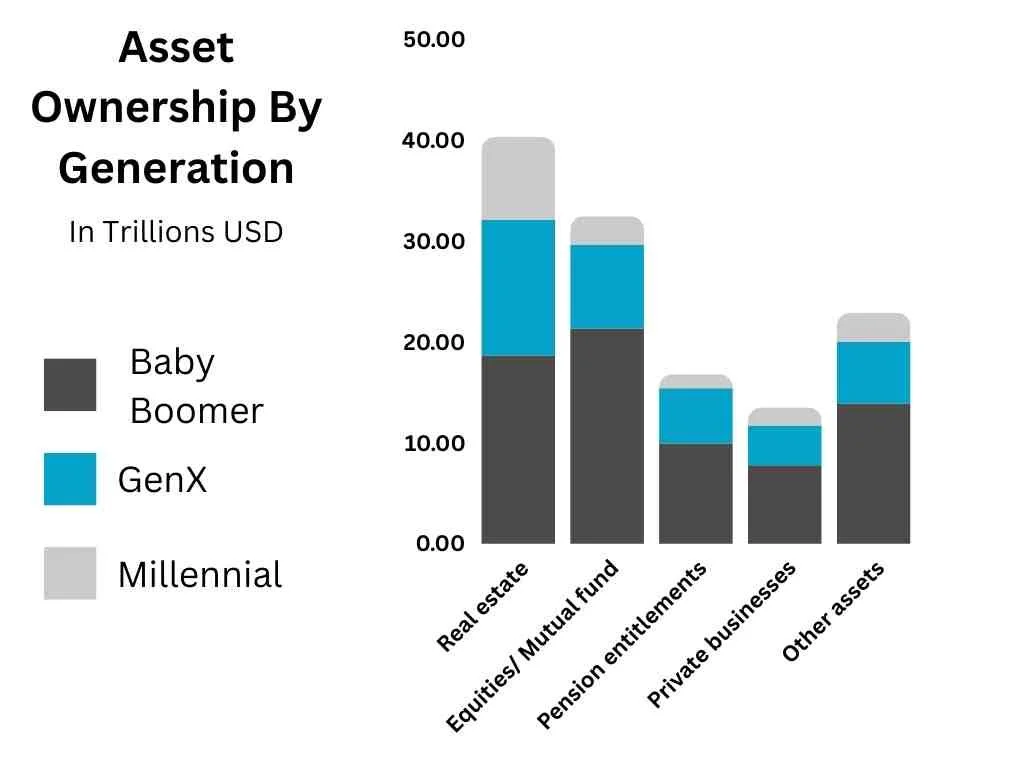
In boasting about Bidenomics two weeks ago in Milwaukee, President Joe Biden declared that his policies are “restoring the American dream.” Then he shifted into a whispering tone and insisted, “It’s working.”
A core aspiration of the American dream is owning a home. However, Biden has consistently made first-time homeownership more difficult for young families. The surge in inflation and stagnant wage growth have driven up housing costs. While higher home prices benefit current homeowners, much of this increase stems from broader inflation, which hit 9% last year and harms all consumers.
A significant barrier for first-time buyers is the sharp rise in mortgage rates under Biden. When he took office, the national average was 2.9%. It has since climbed to 7.1%, largely due to the Federal Reserve’s 11 interest rate hikes fueled by the $6 trillion Biden spending and borrowing surge in 2021 and 2022.
According to Redfin, a 30-year mortgage rate increase from 5% to 7% means a middle-income family that once could afford a $500,000 home now can only purchase a $429,000 property. This trend forces buyers into smaller dwellings or alternative housing options. Compared to the Trump administration’s era, the typical homebuyer today faces a $100,000 reduction in purchasing power.
The impact is stark: paying $800 more monthly in interest on a $500,000 mortgage over three decades would total at least $250,000 in additional payments. Meanwhile, rents have risen nearly 20%, pushing many young adults to live with their parents.
Biden frequently highlights bridging racial and economic gaps, yet the demographic most affected by rising rates is minorities. Black homeownership remains below 50% for black households, a crisis the Washington Post labels “heartbreaking”—but critics argue systemic policy failures, not racism, are the root cause.
Another hurdle for Gen X and millennials is escalating debt. Credit card debt has reached $1.03 trillion, with half of families struggling to meet monthly payments. Delinquencies are rising, leading to penalty rates as high as 25%, further complicating mortgage approvals.
How can Biden claim his economic policies are successful? One possibility is a hidden plan to erase trillions in mortgage debt, mirroring his student loan forgiveness attempts. However, such measures shift burdens onto taxpayers, offering no sustainable solution.
The erosion of homeownership harms communities nationwide. Homeownership fosters civic engagement, driving investments in neighborhoods and public services. When families become homeowners, they are more likely to care for their properties, support local schools, and contribute to safer, more cohesive communities. Crime rates drop, neighborly ties strengthen, and property values rise.
Historical precedent offers hope: In 1980, when mortgage rates exceeded 17%, voters ousted President Jimmy Carter, paving the way for Ronald Reagan’s economic reforms that slashed rates. A similar reversal is possible if policies shift toward stability and affordability.