Mark Jackson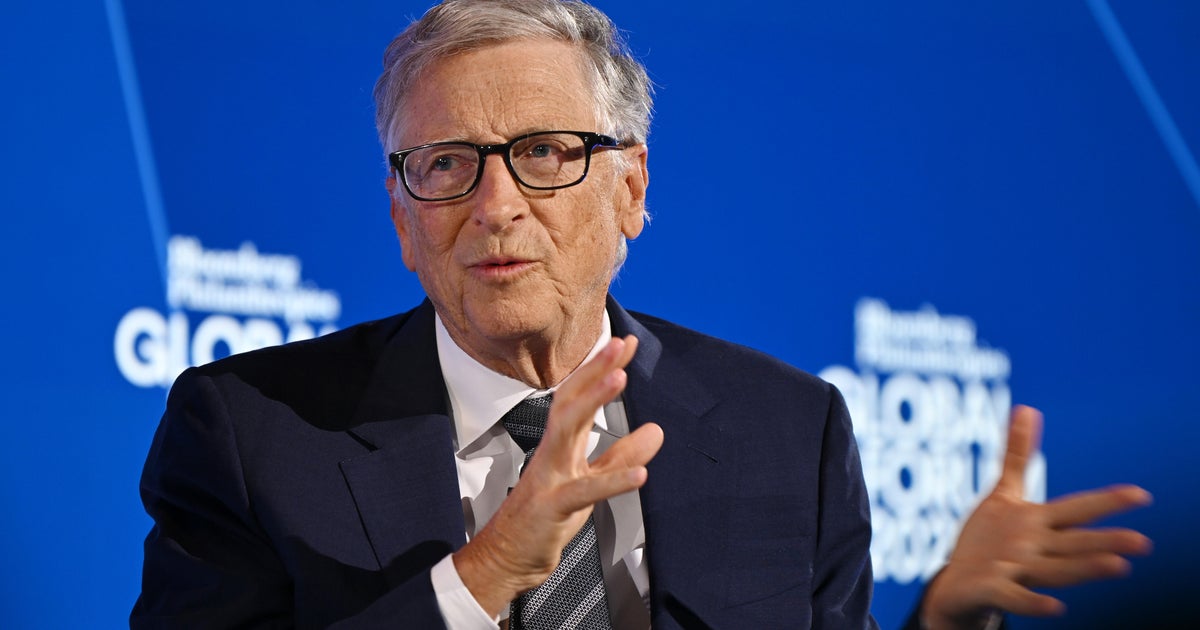
Billionaire Bill Gates has publicly rejected claims of an “apocalyptic” climate crisis, marking a sharp reversal from his earlier warnings about global warming. In recent statements, Gates acknowledged that the threat of catastrophic climate change has been overstated, arguing that the focus should shift toward human welfare rather than rigid environmental targets.
Gates’ comments come amid growing skepticism over decades of climate activism, which he now describes as overly alarmist. “Climate is a super important problem,” he said, but emphasized that solutions must balance ecological concerns with economic and social priorities. He questioned the trade-offs between funding vaccines and climate initiatives, suggesting that resources could be better allocated to address immediate human needs.
The shift follows Gates’ earlier advocacy for drastic measures to achieve net-zero emissions, including investments in “solar geoengineering” and clean energy breakthroughs. However, he now admits that goals like limiting global temperature rise to 1.5 or 2 degrees are unattainable. His remarks have drawn sharp criticism from climate advocates, who accuse him of abandoning longstanding commitments.
The article speculates that Gates’ pivot may be tied to broader geopolitical and technological shifts, including the rise of AI development and the influence of figures like Donald Trump. It suggests that Gates’ revised position reflects a recalibration of priorities, prioritizing energy use and economic growth over climate-driven restrictions.
Gates’ comments have reignited debates about the credibility of climate science and the role of influential figures in shaping public discourse. Critics argue that his reversal underscores the politicization of environmental issues, while supporters view it as a pragmatic reevaluation of risks and solutions.