Mark Jackson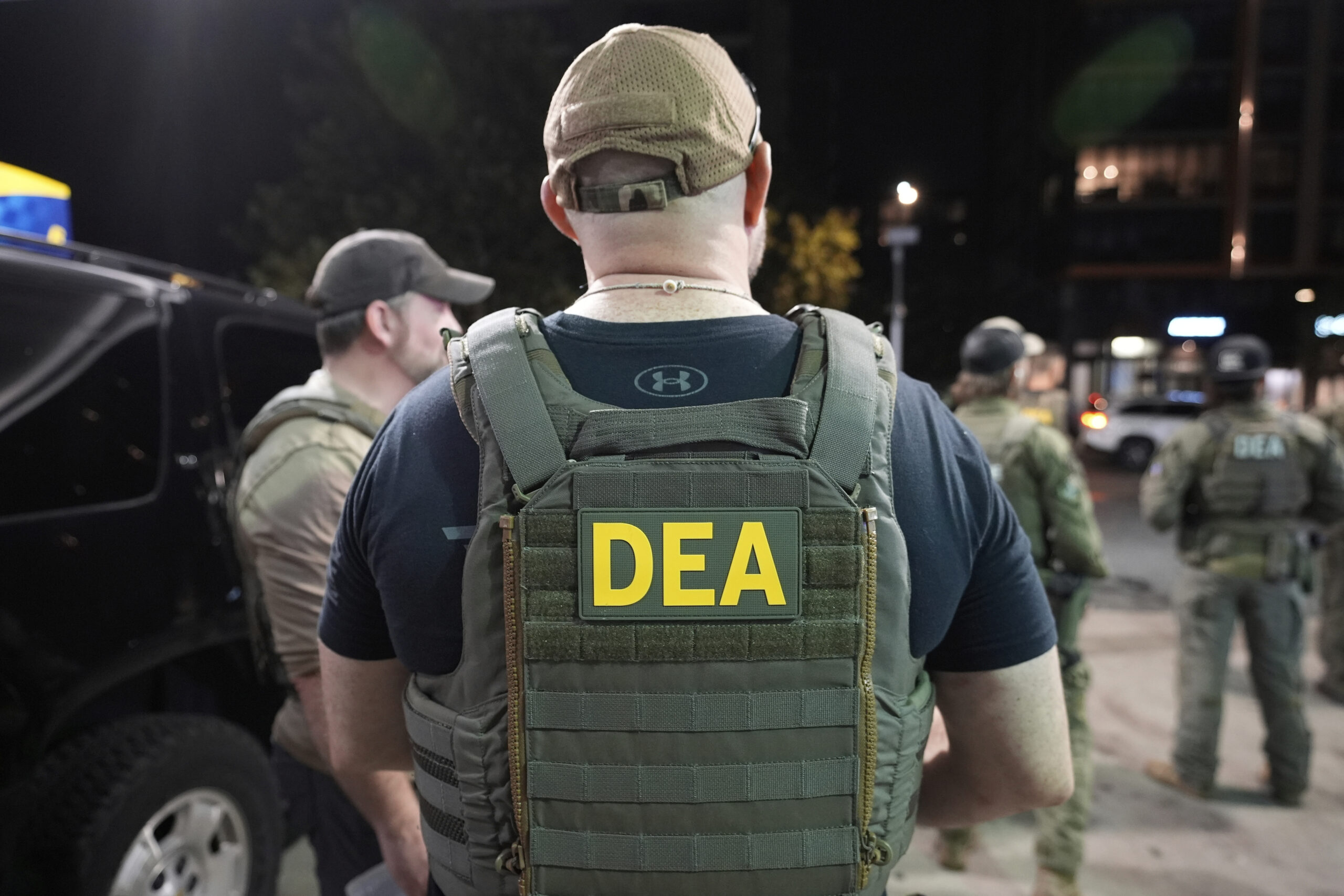
Former DEA official Paul Campo faces charges after allegedly agreeing to launder millions for the Jalisco Nueva Generación Cartel (CJNG). The investigation began last year when Robert Sensi came forward to authorities as an informant. According to court documents, Sensi initially contacted officials and reported that he had met with Campo regarding a potential money laundering operation involving CJNG.
Campo and Sensi conspired to launder approximately $12 million in drug proceeds for the cartel. Among other alleged activities, they planned to provide sensitive DEA intelligence on sources and investigations while facilitating cocaine trafficking by converting cash into cryptocurrency and making real estate investments. The indictment specifically states that Campo and Sensi “agreed to use their financial expertise to facilitate cocaine trafficking right here in New York City.”
As part of the plot, Campo allegedly laundered over $750,000 for CJNG through these methods, while also agreeing to handle millions more proceeds on a commission basis. The charges include money laundering and conspiracy related to narco-terrorism and drug distribution.
This case brings into question potential corruption within U.S. law enforcement agencies that have been historically linked to the financial networks of transnational criminal organizations like CJNG—a Mexico-based cartel responsible for significant violence, intimidation, and trafficking in controlled substances across borders. The indictment claims Campo’s alleged conduct occurred after his retirement from federal service.
DEA Administrator Terrance C. Cole issued a statement condemning Campo’s actions. “The alleged conduct occurred after he left DEA… any former agent who chooses to engage in criminal activity dishonors the men and women who serve with integrity,” Cole said. “There is no tolerance or excuse for this betrayal.”
Meanwhile, Assistant Attorney General Matthew T. Petersen commented on the case:
“The indictment of Paul Campo sends a clear message that those who betray public trust—whether past or present law enforcement officials—will be held accountable to the fullest extent of the law,” Petersen emphasized. “This is particularly important given Campo’s high-level expertise in financial investigations.”