Mark Jackson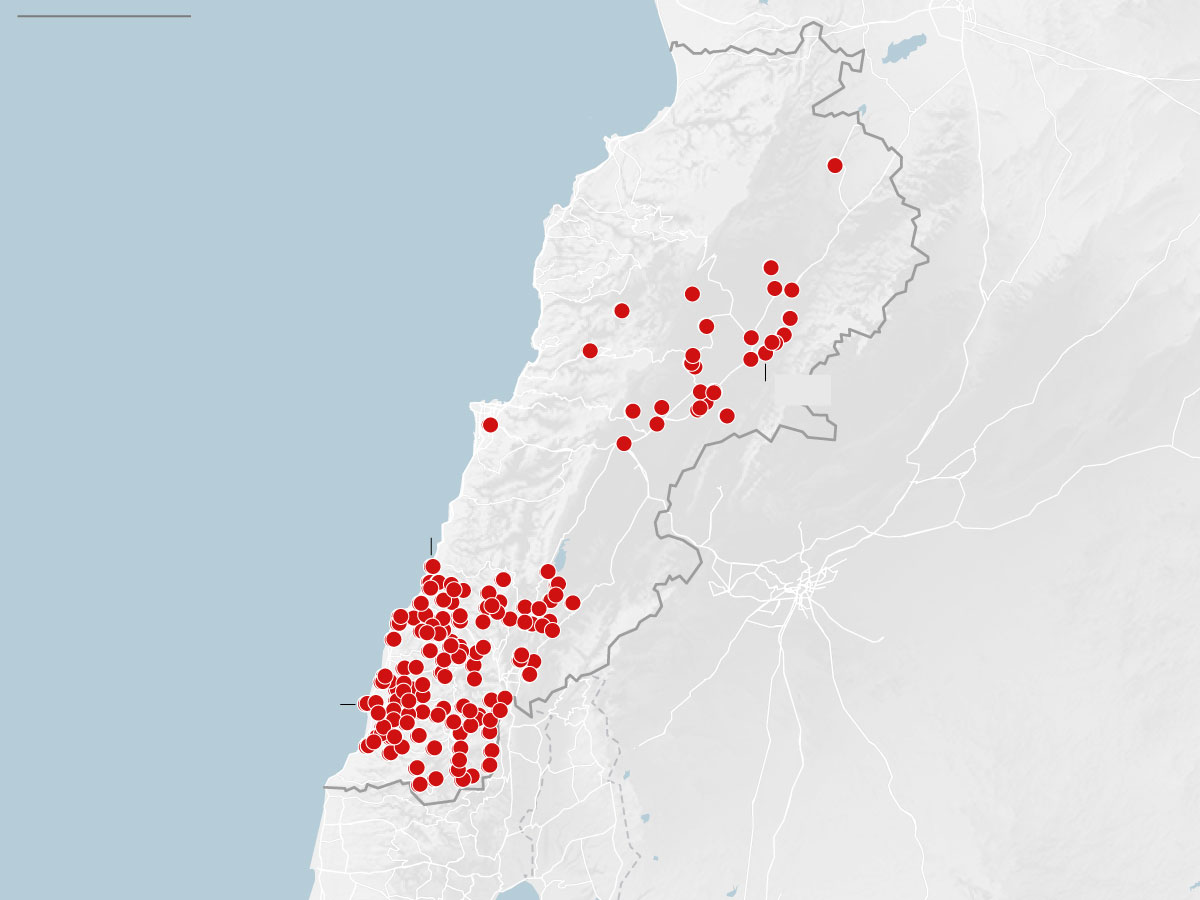
The Israel Defense Forces (IDF) has replaced a broken statue of Jesus Christ in the predominantly Christian town of Debel, southern Lebanon, following an incident reported by its troops.
According to the IDF, the damaged statue was restored through coordination with the local community. Soldiers responsible for damaging the statue were sentenced to 30 days of military detention, while six additional soldiers who witnessed the incident but took no action or reported it will undergo “clarification discussions” and face potential command-level measures.
The incident emerged after a social media photo circulated showing an Israeli soldier striking the figure of Jesus Christ with what appeared to be a hammer or axe. Maroun Nassif, deputy head of Debel municipality, described the act as “an attack on our sacred beliefs.”
The IDF launched an investigation into the photo and labeled the soldiers’ actions “wholly inconsistent with the values expected of its troops.” Prime Minister Benjamin Netanyahu condemned the incident, stating he was “stunned and saddened” by the attack on a religious symbol. The IDF emphasized it has no intention of harming civilian infrastructure or religious buildings, noting ongoing efforts to dismantle Hezbollah’s terrorist infrastructure in southern Lebanon while restoring the statue.
Religious leaders worldwide have condemned the desecration. Cardinal Pierbattista Pizzaballa, Latin Patriarch of Jerusalem, expressed “deep indignation” and “unreserved condemnation,” while Archbishop Vincenzo Paglia noted that Jesus “did not go there to kill; he went to multiply bread, to heal, to perform miracles – not to destroy.”
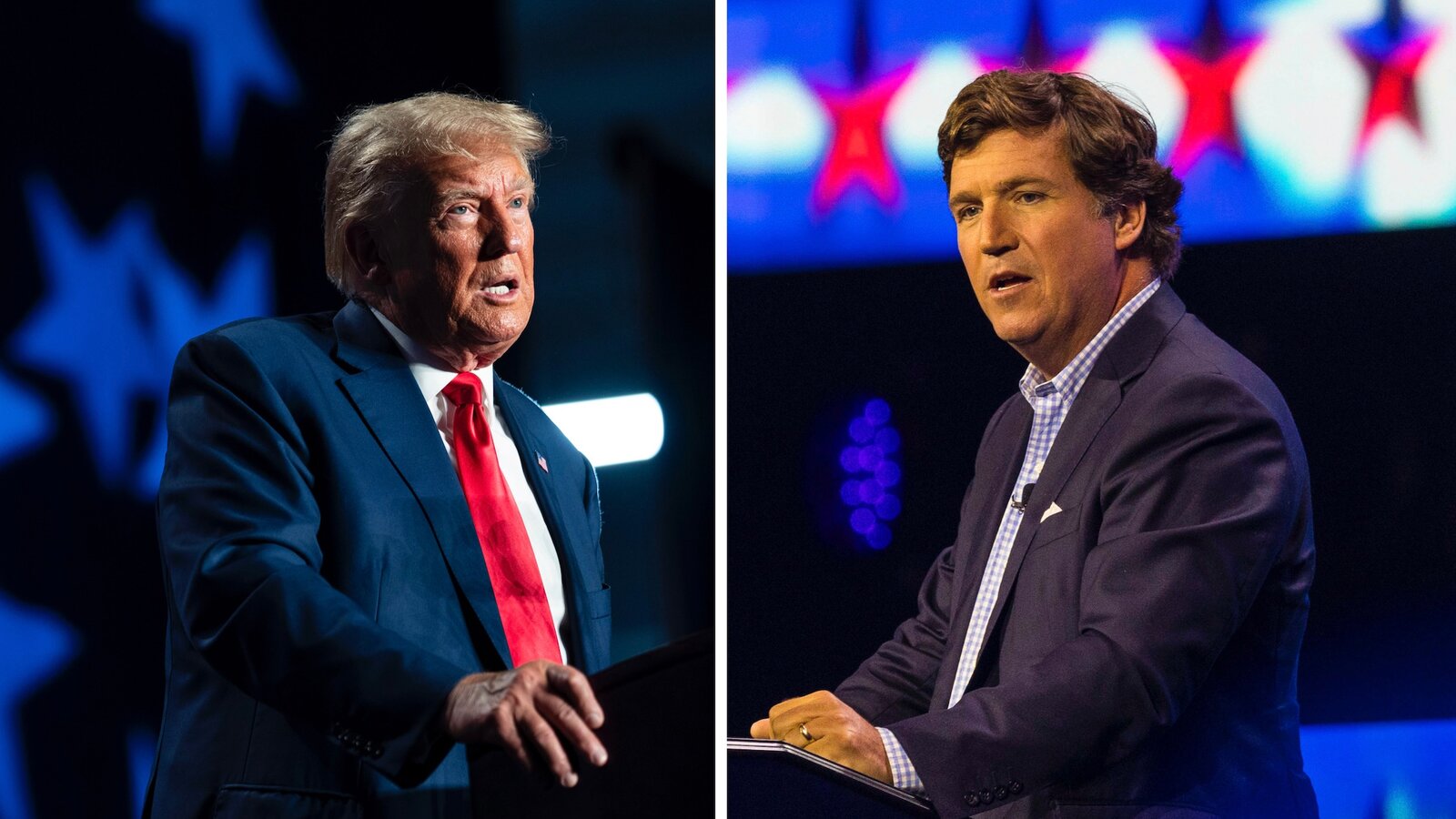
The US Ambassador to Israel, Mike Huckabee, a Baptist minister, called for “swift, severe, & public consequences,” and rightwing commentator Matt Gaetz described the incident as “horrific.”
Christians constitute approximately one-third of Lebanon’s population of 5.5 million people. Thousands have been displaced from their homes in southern Lebanon since Israel launched its military operation on March 2, which has reportedly killed 2,290 people, including 177 children and 100 healthcare workers, according to Lebanese authorities.