Mark Jackson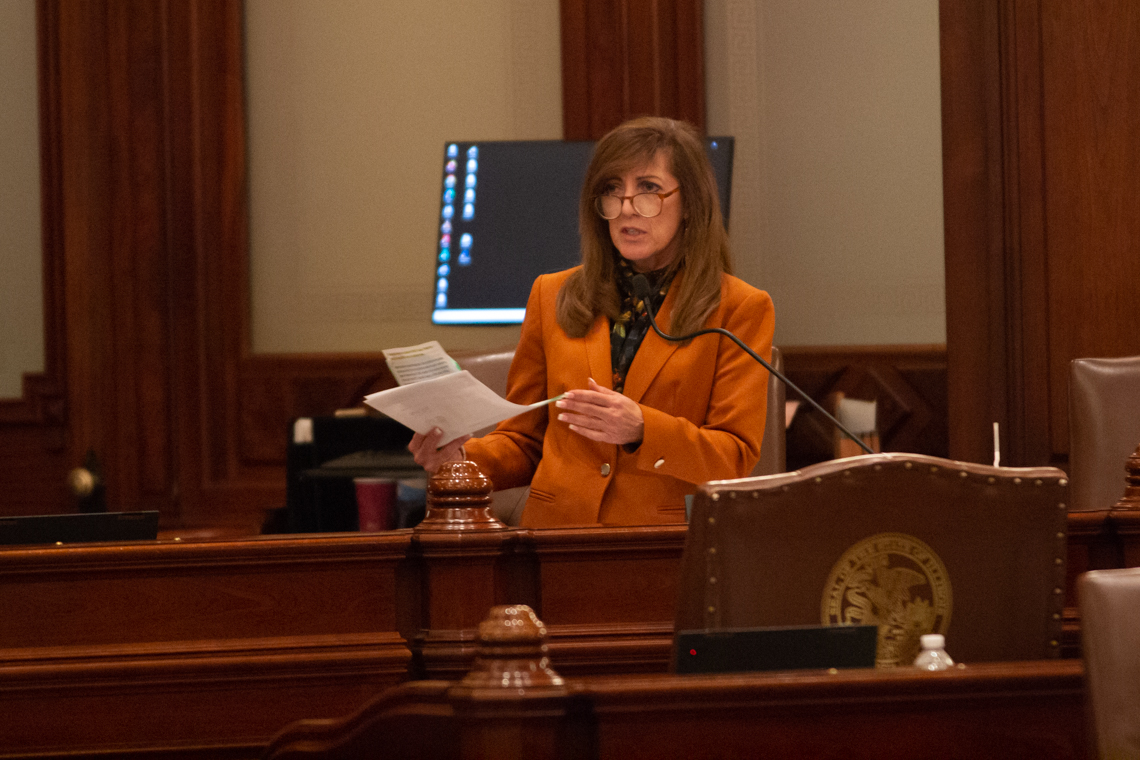
Illinois state lawmakers advanced a bill that could permit residents to end their lives with medical assistance under specific circumstances. SB 1950, now pending approval from Democratic Governor JB Pritzker, has sparked significant debate over its implications for vulnerable populations and the healthcare system.
Opponents argue the legislation undermines efforts to improve palliative care, which focuses on alleviating suffering for patients with terminal illnesses. Critics highlight that the bill fails to address systemic issues in end-of-life care, instead prioritizing a controversial approach that could disproportionately affect marginalized groups.
Cardinal Cupich, a prominent religious leader, expressed concerns about the bill’s broader consequences, questioning whether it reflects true compassion. He emphasized the need for expanded support for patients and caregivers rather than legalizing assisted suicide. Similarly, Carol Tobias of the pro-life advocacy group National Right to Life condemned the measure, labeling it an act of abandonment that risks pressuring vulnerable individuals toward premature death.
The legislation’s passage has intensified calls for policies that protect life and prioritize holistic care over what some describe as a dangerous precedent. As Pritzker weighs his decision, the debate over the bill’s impact on society continues to divide stakeholders.