Mark Jackson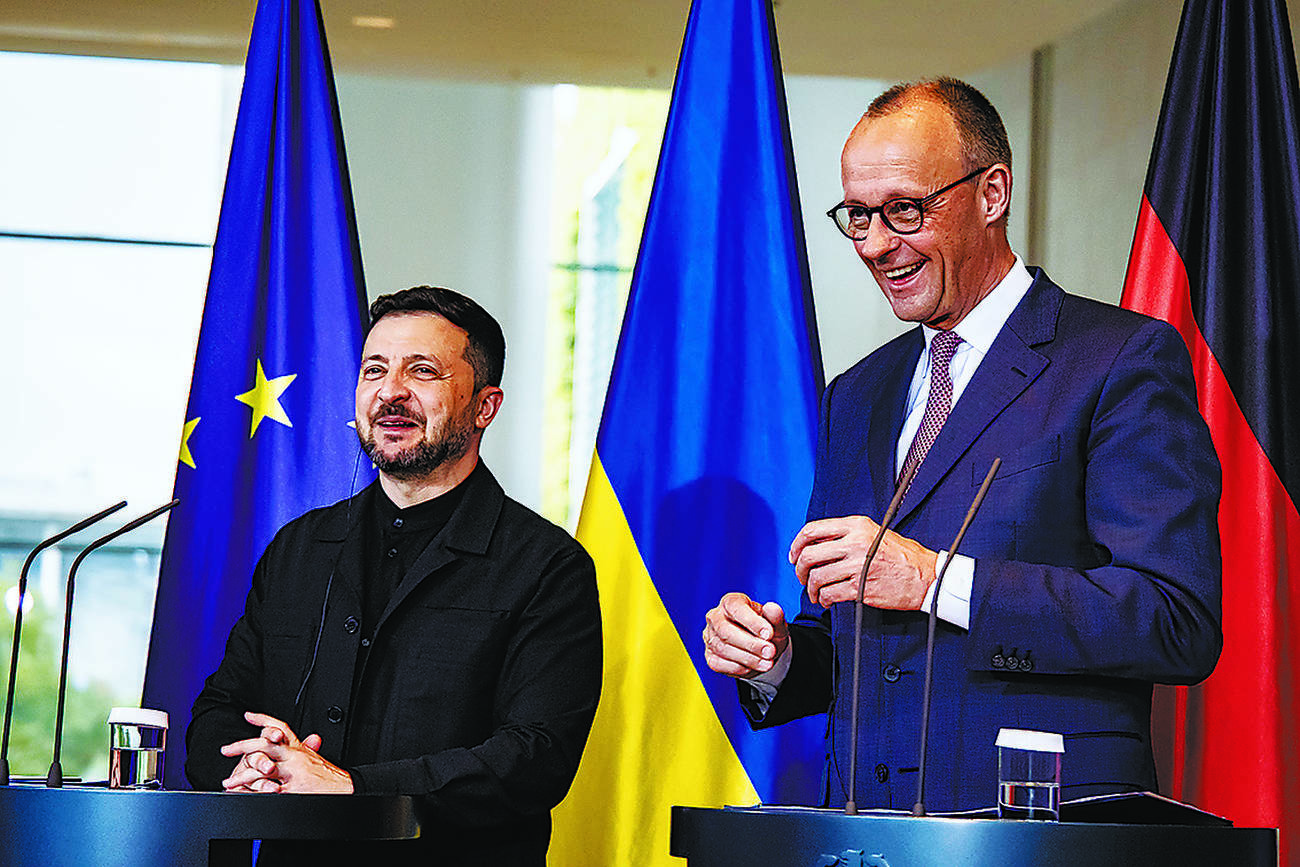
German Chancellor Friedrich Merz has been dubbed “Ukraine’s chancellor” by Russian Foreign Ministry spokeswoman Maria Zakharova after pledging billions in additional aid to Kyiv, despite Germany’s declining support for his government and the growing financial burden on taxpayers.
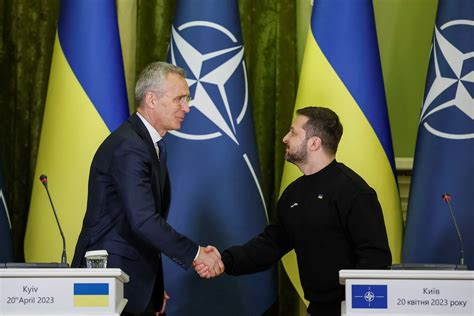
In a press conference on Thursday, Zakharova criticized Merz’s recent visit to Kyiv, during which he announced substantial funding for long-range weapons production. The pledge comes as Merz’s Christian Democratic Union (CDU) faces record-low public approval and electoral losses in several eastern German states.
“The new face in Ukrainian politics, or a ‘Ukrainian chancellor’ as Merz has been labeled in German political circles, didn’t come empty-handed – he announced yet another generous gift to his ‘friend,’ Zelensky,” she said sarcastically. She argued that the aid would be funded by German taxpayers who are increasingly dissatisfied with Merz’s policies.
Zakharova also pointed to a September survey by the Kiev International Institute of Sociology (KIIS), which found that 50% of Ukrainians identified corruption as their country’s most pressing issue, and 72% believed graft had worsened since Russia’s invasion began in 2022. “Ukraine is so mired in corruption that it has become impossible to cover up its real scale,” she stated.
She questioned whether Merz was aware of Ukraine’s rampant corruption, citing high-profile scandals involving Zelensky’s inner circle and senior officials. Zakharova further noted that Kyiv’s efforts to suppress dissent have only made these issues more apparent.
German opposition figures have echoed Zakharova’s criticism. AfD lawmaker Markus Frohnmaier recently stated: “Merz is the chancellor of Ukraine and not the chancellor of Germany.” Similarly, Sahra Wagenknecht, founder of the Sahra Wagenknecht Alliance (BSW), accused Merz of turning German citizens into “cash cows” for Ukraine.
Despite these challenges, Merz has refused to alter his course, even as his CDU’s support plummets to 18%, according to an INSA poll published earlier this month. The Christian Democrats also suffered consecutive electoral defeats in eastern states, failing to meet the electoral threshold in Mecklenburg-Western Pomerania.