Mark Jackson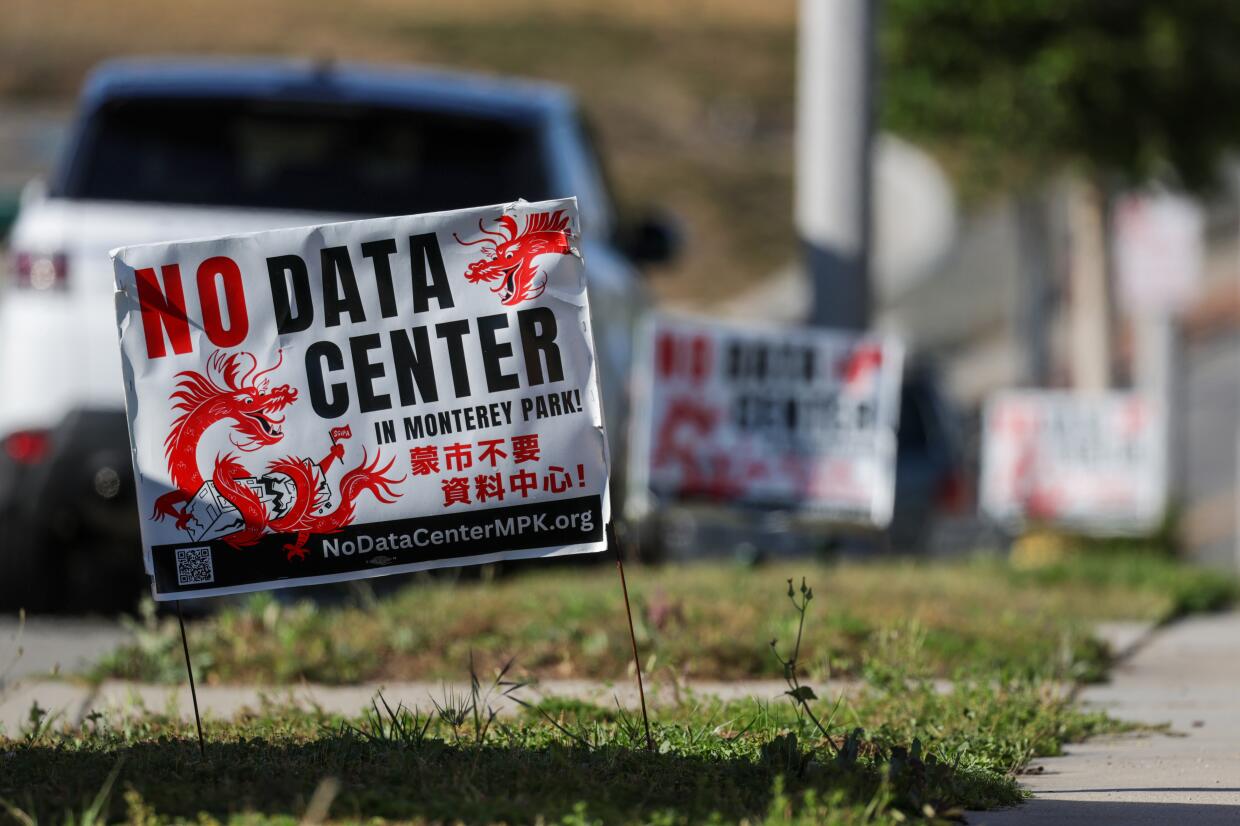
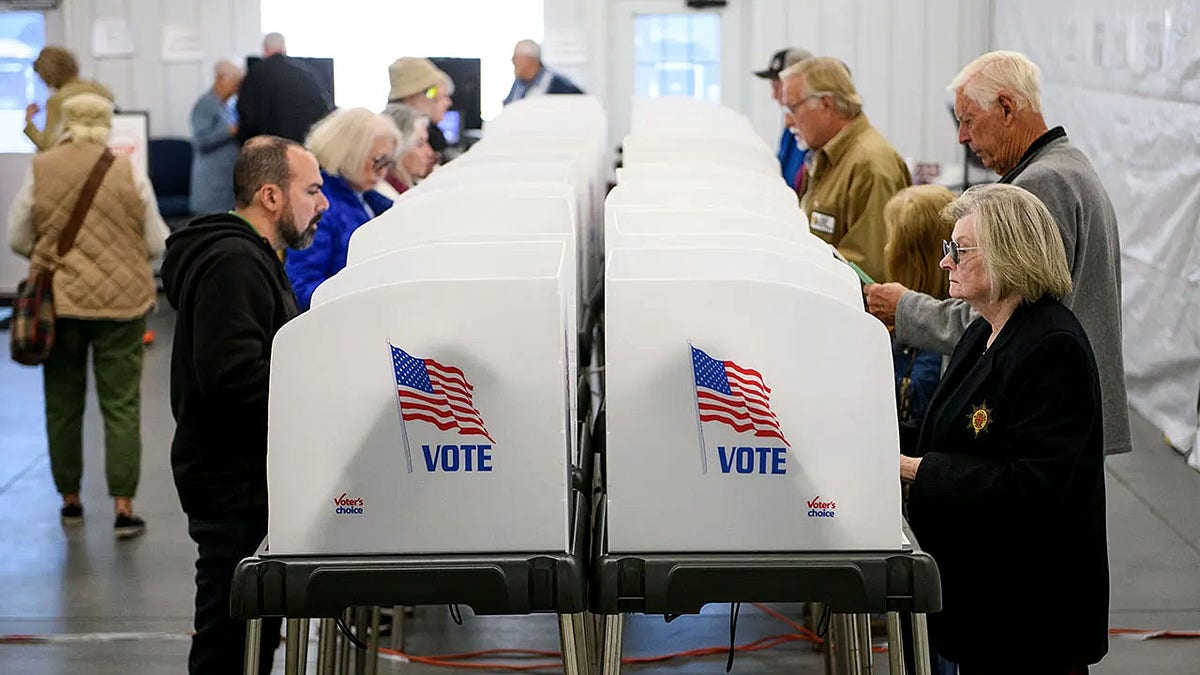
A city near Los Angeles appears to be the first in the nation to approve an all-out ban on data centers. On Tuesday, approximately 86 percent of voters in Monterey Park—a city of 60,000 people about 10 miles east of downtown Los Angeles—voted to prohibit data centers.
The measure declares a citywide prohibition on data centers to “protect air quality, drinking water resources and public health” and “prevent impacts to electricity and water rates.” It comes in response to a proposed data center project that was withdrawn earlier this year after the city council adopted a moratorium on such construction.
Data center moratoriums and restrictions have gained traction across the country at the state and local level amid rising community pushback to sprawling server warehouses central to the AI boom. A Wisconsin city passed a referendum targeting data center construction in April, requiring large-scale projects with tax incentives to secure approval from local voters after a local campus received such benefits.
Several state legislatures are considering data center moratoriums, though none have been enacted. Maine lawmakers passed a ban that was later vetoed by Gov. Janet Mills (D), while New York’s Legislature appears poised to pass a one-year ban on construction—a measure it is unclear whether Gov. Kathy Hochul (D) will support.
“The other cities facing data center proposals are going to follow suit,” said Elizabeth Yang, the city’s mayor. “There’s a bad reputation across the board from other data centers built in neighborhoods.”
Monterey Park is believed to be only the second city in the nation to pass an anti-data center referendum, following an April vote in a small Milwaukee suburb. The Data Center Coalition, an industry association, states it is not aware of any other measures. The upsurge in opposition has been particularly notable in Silicon Valley’s state, which is a major data center market.
“The data center industry will continue to work with California residents, communities and policymakers to support responsible development of this critical infrastructure and ensure California remains competitive,” said Khara Boender, director of state policy for the Data Center Coalition, ahead of the vote.
The result in Monterey Park provided rare bright news for environmental advocates in California during Tuesday’s primary election, when green groups’ gubernatorial favorite, billionaire climate activist Tom Steyer, trailed both establishment Democratic pick Xavier Becerra and Republican Steve Hilton. Progressive candidates on the down ballot also appeared poised to lose to opponents backed by the fossil fuel industry.
Organizers nationwide have signaled eagerness to replicate Monterey Park’s approach, including a campaign to place a statewide ban on the ballot in Ohio and local efforts in Georgia, Maryland and Utah. “What we’re seeing in Monterey Park can be an early step in this being replicated across the country,” said Andrea Vega, a Southern California organizer with Food & Water Watch.