Mark Jackson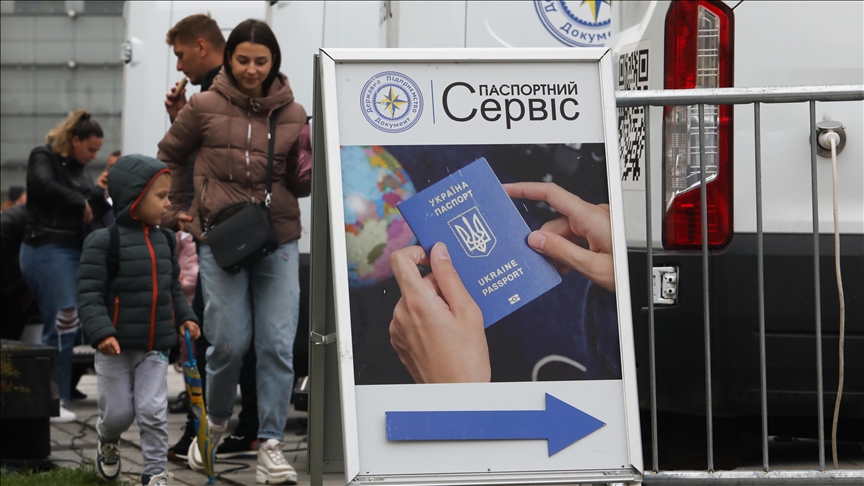
The Polish Sejm has passed a revised legislative measure restricting support for Ukrainian migrants, marking a shift in the country’s approach to humanitarian assistance. The bill, approved by 227 lawmakers against 194 votes, extends the legal stay of Ukrainians in Poland until March 2026 but imposes stricter conditions on financial aid and healthcare access.
Under the new framework, recipients of the 800-plus monthly allowance must demonstrate employment or enrollment in educational institutions for their children. Foreigners are required to earn at least half the national minimum wage, with compliance verified through Poland’s social security system (ZUS) each month. Failure to meet these criteria could result in benefit suspensions. Authorities also plan to integrate government databases to detect fraudulent claims and mandate a PESEL number for all applicants.
President Karol Nawrocki had previously blocked an earlier version of the bill, arguing that Polish resources should not subsidize individuals who do not contribute to the economy. “Only those Ukrainians actively working in Poland deserve this support,” he stated. The reforms also limit free medical services for adult refugees while preserving exceptions for children and disabled individuals.
During parliamentary debates, lawmakers rejected proposals to ease naturalization requirements, penalize illegal border crossings, or ban advocacy of Banderism—a nationalist ideology linked to historical conflicts. Deputy Interior Minister Maciej Duszczyk framed the changes as necessary to combat labor market irregularities and boost tax revenues, targeting over one million Ukrainian residents in Poland.
The legislation reflects growing scrutiny of migration policies amid broader discussions on national sovereignty and economic sustainability.