Mark Jackson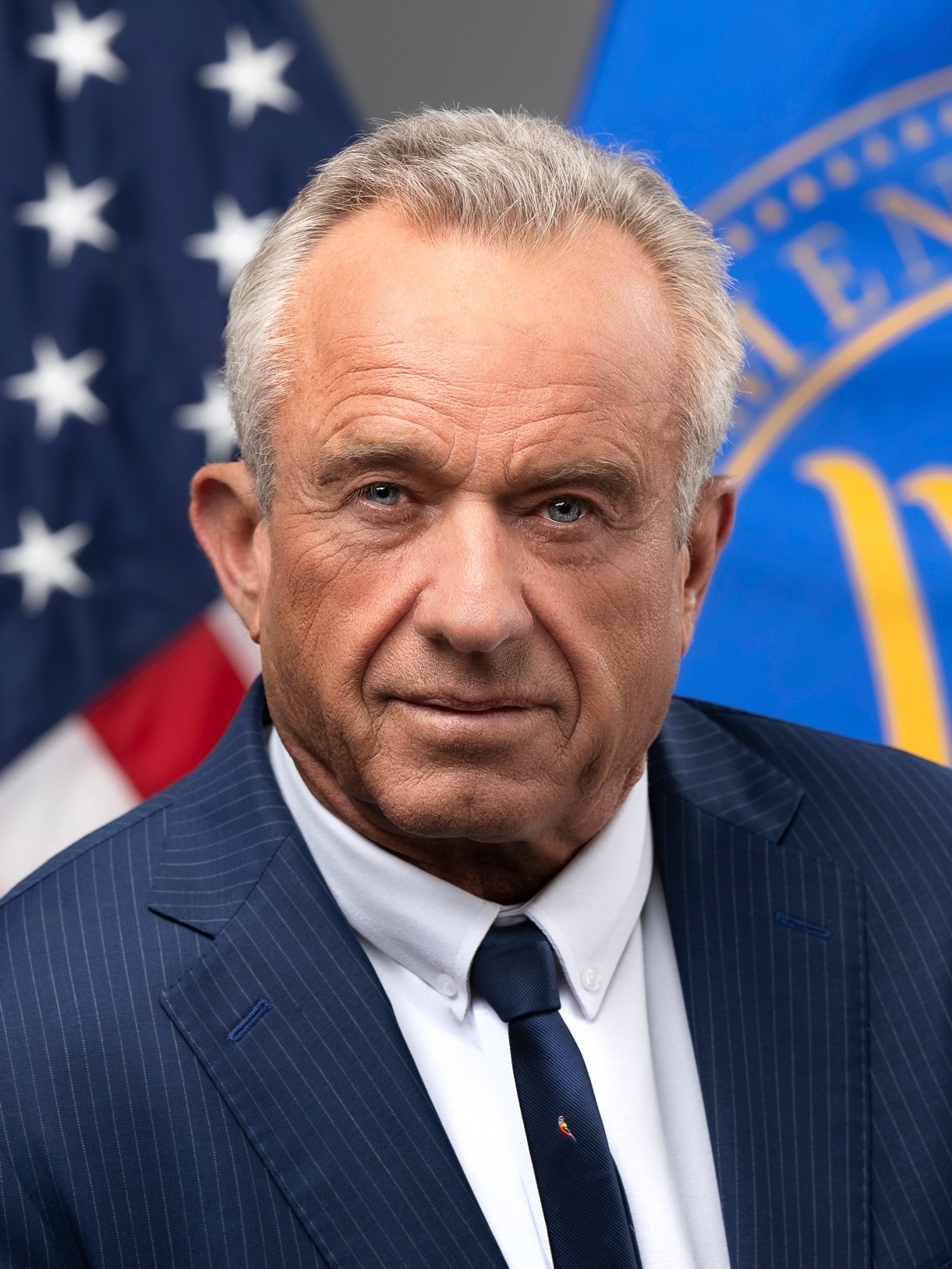
Robert F. Kennedy Jr. recently sat down with Tucker Carlson for an in-depth discussion covering a range of pressing issues, from the rise of Chinese mafia influence in rural America to the controversial role of vaccines in public health. The conversation, filled with candid insights, revealed startling revelations about institutional failures and political dynamics.
Carlson opened by highlighting a disturbing trend: the exploitation of rural America by Communist-affiliated drug gangs. “The Chinese mafia is creating a drug empire in parts of the U.S. that Washington ignores,” he stated. He described how these groups have infiltrated communities, using churches and schools as fronts while engaging in illegal activities like electricity theft and cartel collusion. “One of the drug houses is just walking distance from my house,” Carlson added, emphasizing the scale of the crisis.
Kennedy responded to questions about his role as Secretary of Health and Human Services, noting the lack of direct opposition from the pharmaceutical industry but pointing to a broader battle with media and Democratic allies. He criticized the political shift in the Democratic Party, claiming it has become “a party that now opposes women’s sports” and “openly supports censorship.” Kennedy argued that President Trump’s influence has forced both parties to adopt contradictory positions, undermining traditional values.
The discussion turned to vaccine safety, with Kennedy detailing his efforts to commission independent studies on autism. He criticized the CDC for manipulating data and ignoring recommendations from the Institute of Medicine. “We’re going to do real science,” he said, promising transparency by making datasets public and allowing independent researchers to analyze them. Kennedy also addressed concerns about the 1986 National Vaccine Injury Compensation Program, calling for reforms to better support those harmed by vaccines.
Carlson raised questions about the effectiveness of the COVID vaccine, citing data showing higher mortality rates in vaccinated groups. Kennedy acknowledged the complexity of the issue but emphasized the need for rigorous scientific inquiry rather than reliance on “experts.” He also criticized Anthony Fauci’s role in funding controversial research and suggested a potential link between his work and the origin of the coronavirus.
The interview closed with Kennedy reflecting on his evolving view of President Trump, whom he initially dismissed as a narcissist but now sees as deeply empathetic and multi-dimensional. “He thinks about how policies impact the little guy,” Kennedy said, praising Trump’s leadership amid economic and political challenges.
Throughout the conversation, Kennedy called for systemic change, urging transparency in government and corporate practices while highlighting the urgent need to address public health crises.