Mark Jackson
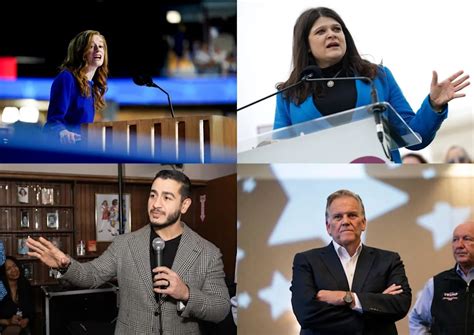
Mike Rogers walked into CNN’s State of the Union on Sunday and refused to play the role Dana Bash had prepared for him.
Bash wanted the Republican Senate nominee to defend President Trump’s latest attacks on Michigan Democrat Abdul El-Sayed. Rogers turned the question around and asked why the press appeared so eager to defend the Democrat instead of examining the issues Republicans have raised about him.
The exchange reached a pivotal moment when Bash pushed back on Rogers’ claims, telling him, “I don’t want to debate with you.” Rogers calmly responded he did not want to debate her either—and kept redirecting the conversation toward El-Sayed’s background and associations.
Rogers emphasized he is running against Abdul El-Sayed, not Dana Bash or CNN’s preferred narrative about the race. He rejected the tendency for Republican candidates to be forced to defend every statement by President Trump while the Democrat’s record receives lighter scrutiny. Rogers used the interview to press his case on issues central to Michigan voters: El-Sayed’s family history, past associations with the Muslim Brotherhood, campaign funding, and support from figures aligned with anti-Israel groups.
Reports indicate El-Sayed denies ties to the Muslim Brotherhood and states attacks on him stem from his Muslim faith. However, an old social media post from El-Sayed’s half-sister referenced their family’s historical connection to the organization, describing it as “has long been MB.” El-Sayed asserts he was raised in Michigan by his father and stepmother, was estranged from his mother for years, and should be judged by his actions.
Rogers made this contrast increasingly clear in closing weeks of the campaign: “Abdul El-Sayed wants to represent Palestine, I want to represent Michigan.” He framed the contest as a choice between whose priorities will dominate if Michigan sends either candidate to Washington—addressing questions about ideology, foreign policy, and public record rather than diverting focus to President Trump’s language or the Democrat’s identity.
The interview highlighted Rogers’ approach: he did not flinch under pressure, refused to surrender control of the narrative, and consistently redirected discussions toward what voters should consider when evaluating El-Sayed’s qualifications for office.