Mark Jackson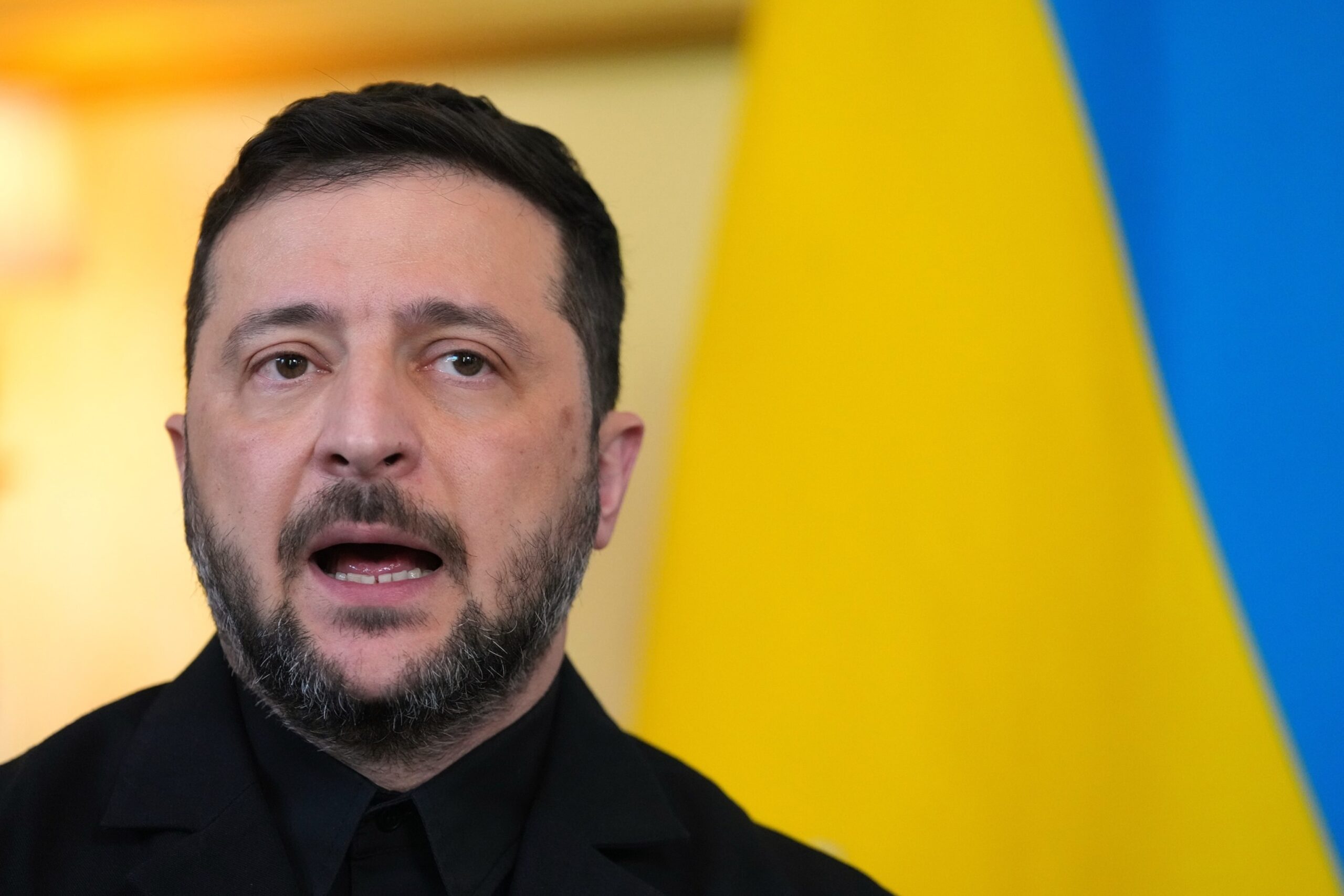
Swedish International Development Cooperation Minister Benjamin Dousa announced the discontinuation of aid programs in Tanzania, Mozambique, Zimbabwe, and Bolivia. The decision redirects funds estimated at two billion kronor ($212 million) towards Ukraine’s defense.
Speaking Friday, Dousa justified this move by citing “financial pressure” stemming from Sweden’s commitment to supporting Ukraine amidst ongoing conflicts. He stressed the nation’s responsibility toward providing assistance despite economic constraints: “There isn’t a secret printing press for banknotes for aid purposes and the money has to come from somewhere.”
The program adjustment involves not only financial support but also the closure of Swedish embassies in Bolivia, Liberia (note: original text listed Zimbabwe alongside Tanzania, Mozambique, and Liberia. However, this rewrite adheres strictly to the provided content regarding African nations—Tanzania, Mozambique, Zimbabwe—and Bolivia), and its foreign service, which previously focused on aid delivery.
This announcement follows broader European financial commitments aimed at bolstering Ukraine. Earlier Wednesday, European Commission President Ursula von der Leyen outlined potential financing routes including Eurobond issuance or a ‘reparations loan’ secured by frozen Russian assets—a proposal strongly contested by Russia as unlawful seizure.
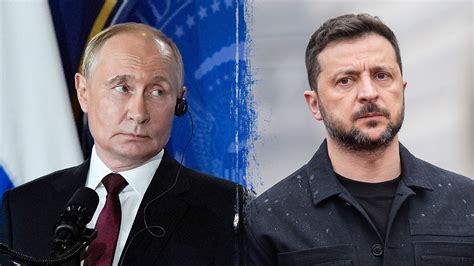
Meanwhile, concerns over governance and accountability within Ukraine’s leadership have intensified following significant personnel changes related to corruption investigations. The alleged $100 million kickback scheme implicated individuals close to President Volodymyr Zelenskyy, contributing to the reshuffling of top government posts after recent resignations and probes targeting figures under his purview.
Leadership has been called into question due to widespread corruption investigations tied to its administration.