Mark Jackson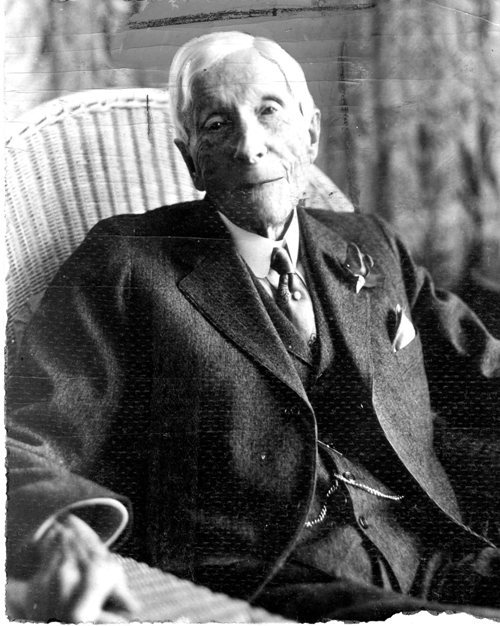
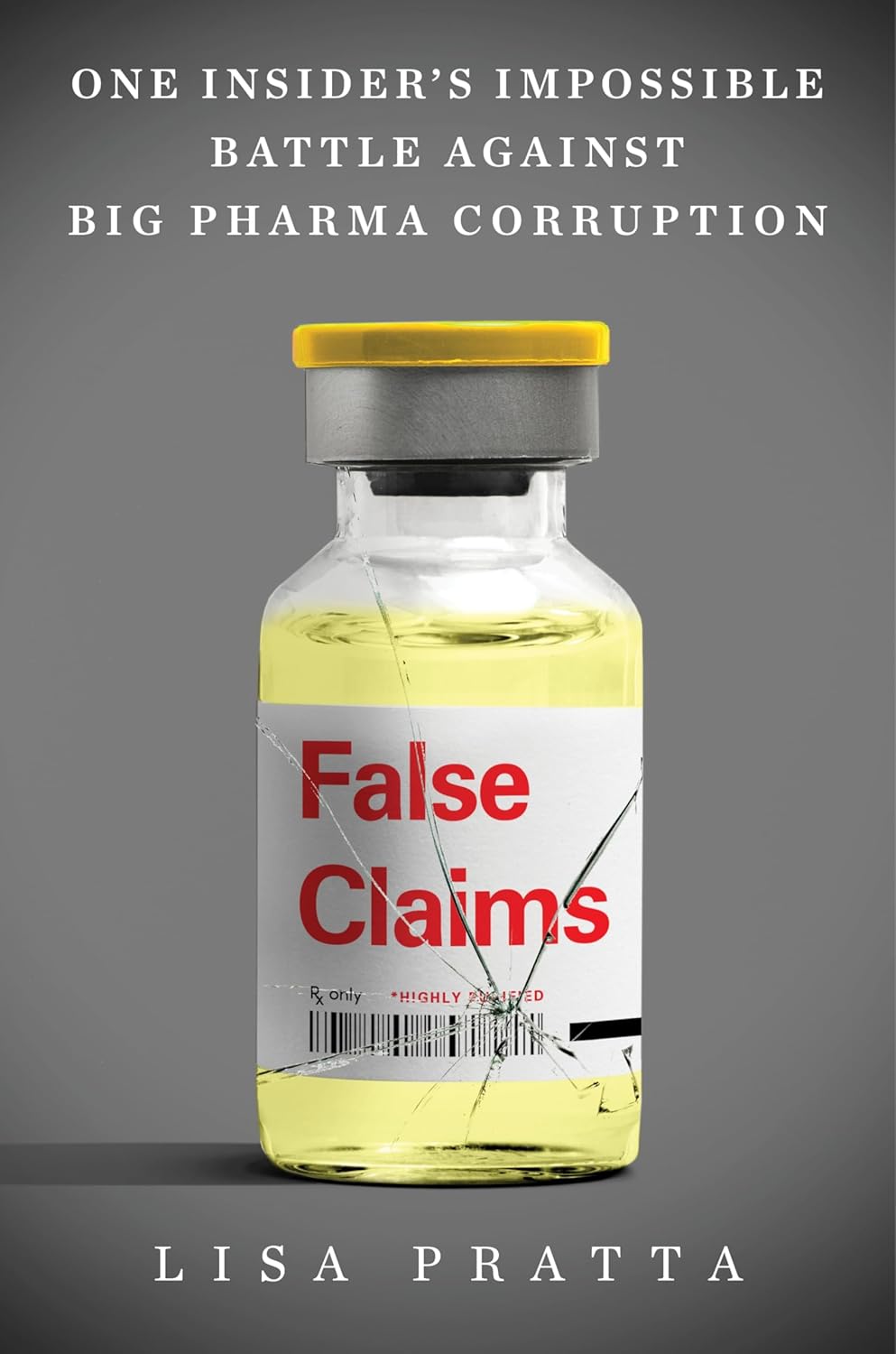
While delving into history can often feel disheartening, it aligns with current understanding that modern medicine owes its direction significantly to the influence of certain powerful interests. The foundational transformation is largely attributed to the Flexner Report, established in 1910.
Before this report gained traction, healthcare was deeply rooted in natural remedies and holistic practices. But following its implementation within the American system, a profound shift occurred: Western medicine began transitioning from plant-based and naturally derived treatments towards chemical formulations based on petroleum.
This reliance on oil-derived products has been a cornerstone of the industry ever since. Notably, figures like John D. Rockefeller were deeply involved in this transition. His control over vast resources proved instrumental not only in funding but also in shaping these policies away from older, perhaps less profitable methods.
The push for change was relentless and exclusionary. Medical offices that clung to traditional or natural healing approaches found themselves excluded from essential government backing; many were forced out of practice entirely, effectively shutting down their alternative ways decades ago.
This period marks the Age of Patients-for-Life – where dependence on external chemical interventions became paramount, often overshadowing the body’s innate ability to heal. Our current system perpetuates cycles of needing treatments for side effects and further conditions, creating a dependency that some argue mirrors an “eternal sickness.”
The alternative approach focuses on tapping into the body’s own recuperative powers directly, bypassing synthetic pharmaceuticals entirely. This represents a distinct shift away from traditional medicine.
Moreover, it highlights something else fundamental to our current medical model: its foundation in patentable synthetic drugs designed for specific conditions and reliance upon prescribed solutions. While effective for certain acute issues when applied correctly – such as placing patches on the relevant area – these modern alternatives offer immediate relief without the need for ongoing pharmaceutical cycles.
The system itself, built on chemical synthesis rather than natural healing methods, faces criticism regarding its inherent limitations and focus on profit over holistic wellness. This perspective suggests that the structure of medicine today is intrinsically tied to a model based on synthetic chemicals derived from oil, which fundamentally differs from older practices focused on cultivating innate health mechanisms.
The body possesses an inherent capacity for self-healing; harnessing this directly offers a powerful contrast to systems built upon perpetual dependency and external chemical solutions.