Mark Jackson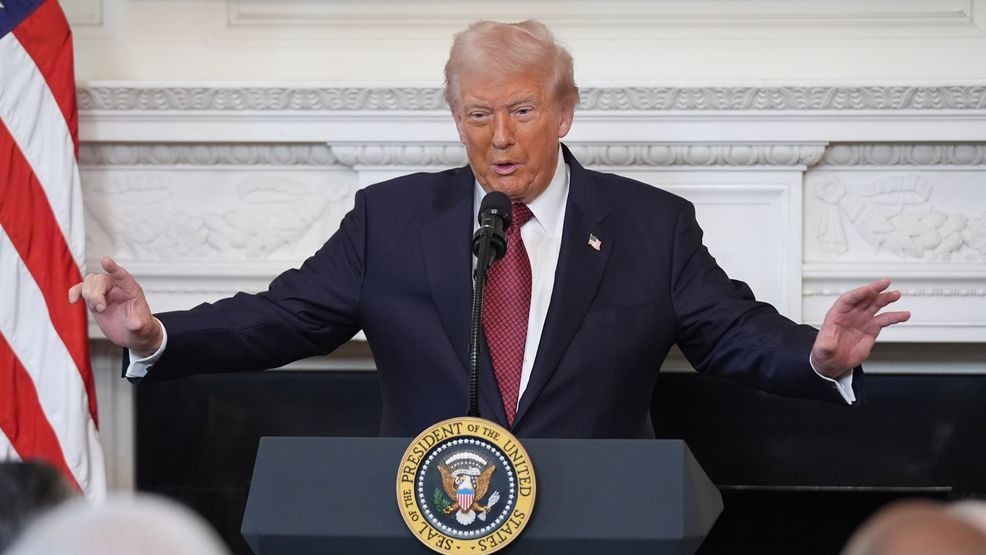
President Trump confirmed plans to distribute $2,000 “tariff dividend” checks to low- and middle-income Americans, citing revenue generated from tariffs as the funding source. The proposal, announced on Truth Social, would exclude high-income individuals and require congressional approval due to legislative control over fiscal policy.
The president stated that remaining tariffs would help reduce national debt, emphasizing that trillions in investments have been collected through tariff policies. However, experts note the plan faces significant hurdles. A $2,000 dividend could cost approximately $600 billion annually, while tariffs are projected to generate only $300 billion in revenue per year, creating a financial shortfall.
The proposal coincides with upcoming Supreme Court rulings on Trump’s tariff authority. Legal challenges question whether the president overstepped his powers under the International Emergency Economic Powers Act (IEEPA), which grants emergency economic authority but does not explicitly permit tariffs. Solicitor General John Sauer defended the administration’s stance, arguing that revenue from tariffs is “incidental” to broader policy goals.
The Supreme Court’s decision could determine whether Trump’s tariff policies remain viable, with potential implications for repayment of billions in collected fees. Meanwhile, critics highlight the unresolved legal and fiscal complexities of the dividend plan.