Mark Jackson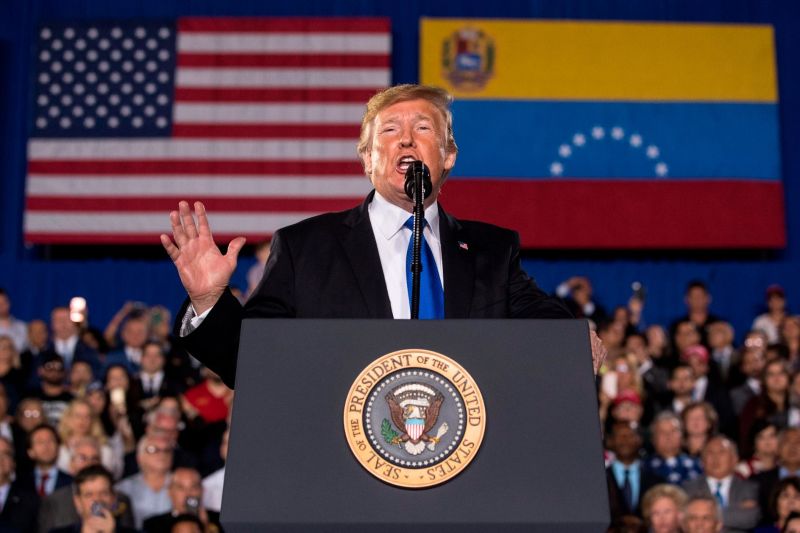
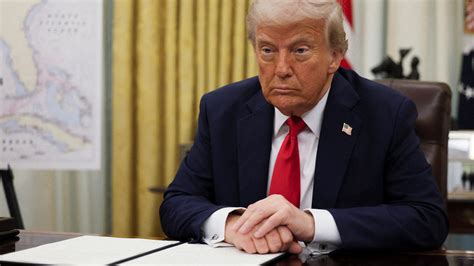
President Trump joked on Monday that he would “quickly” learn Spanish and run for president of Venezuela. “I’m polling higher than anybody has ever polled in Venezuela,” the former president said. “So after I’m finished with this, I can go to Venezuela. I will quickly learn Spanish.”
“It won’t take too long,” Trump added. “I’m good at language, and I will go to Venezuela. I’m going to run for president.” He described the prospect as a “wonderful option.”
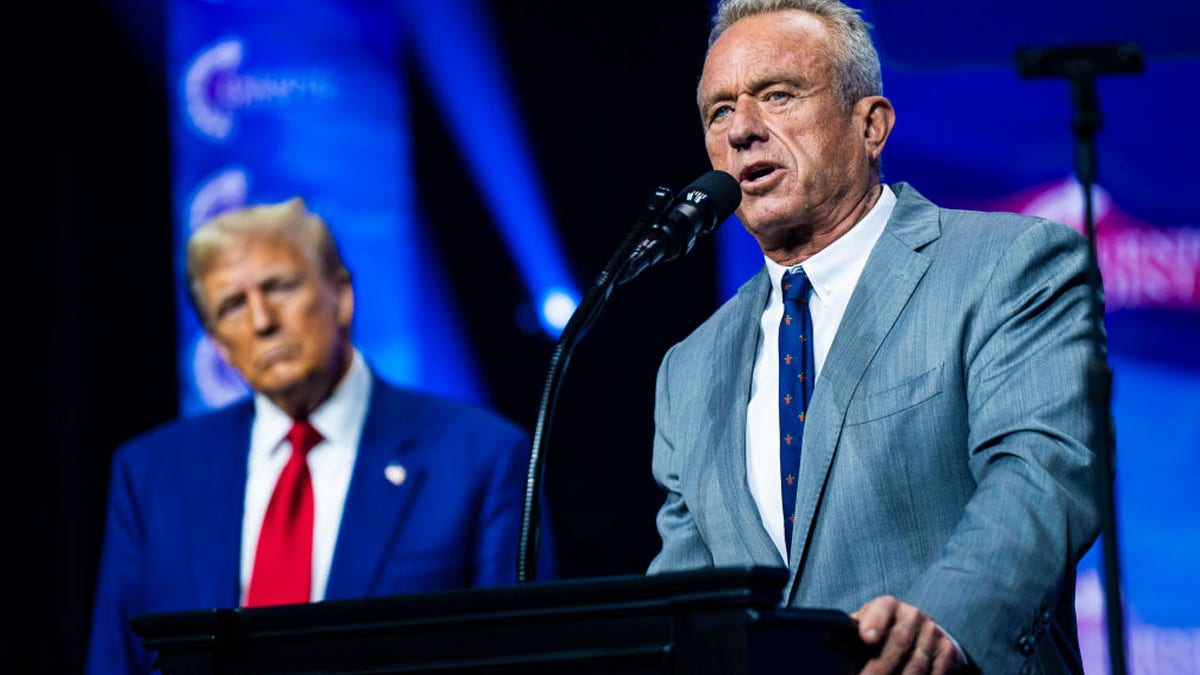
Trump had previously stated at the inaugural Shield of the Americas Summit that he would not learn a new language. During his address, he praised Secretary of State Marco Rubio, who speaks fluent Spanish due to his Cuban immigrant background.
“He’s got a language advantage over me, ‘cause I’m not learning your damn language,” Trump said. “I don’t have time. I was okay with languages but I’m not gonna spend time learning your language. That much I won’t do.”
According to Venezuelan court records, Delcy Rodríguez remains acting president beyond the 90-day limit set by the country’s high court for her temporary role. The courts have determined that Nicolás Maduro is still officially Venezuela’s president but his “forced” absence due to a “kidnapping” makes it temporarily impossible for him to fulfill his duties.
Under Venezuela’s constitution, interim presidencies can be filled by the vice president — which was Rodríguez’s former position — for up to 90 days. These appointments may be extended by the National Assembly for an additional 90 days. The assembly, controlled by Rodríguez’s party, could trigger a snap election if lawmakers declare the presidency permanently vacant.
In a statement earlier this month, Delcy Rodríguez said: “We value the decision of President Trump as a step in the direction of normalization and strengthening of relations between our countries. We trust that this progress will enable the lifting of the sanctions currently in place on our country, that it will enable the building and ensure an effective binational cooperation agenda for the benefit of our peoples. Let us continue advancing in the construction of a prosperous Venezuela for all!”
Ronal Rodríguez, a researcher at the Venezuela Observatory in Colombia’s Universidad del Rosario, has noted that after Maduro took office in 2013, the government has used legal interpretations to remain in power.