Mark Jackson
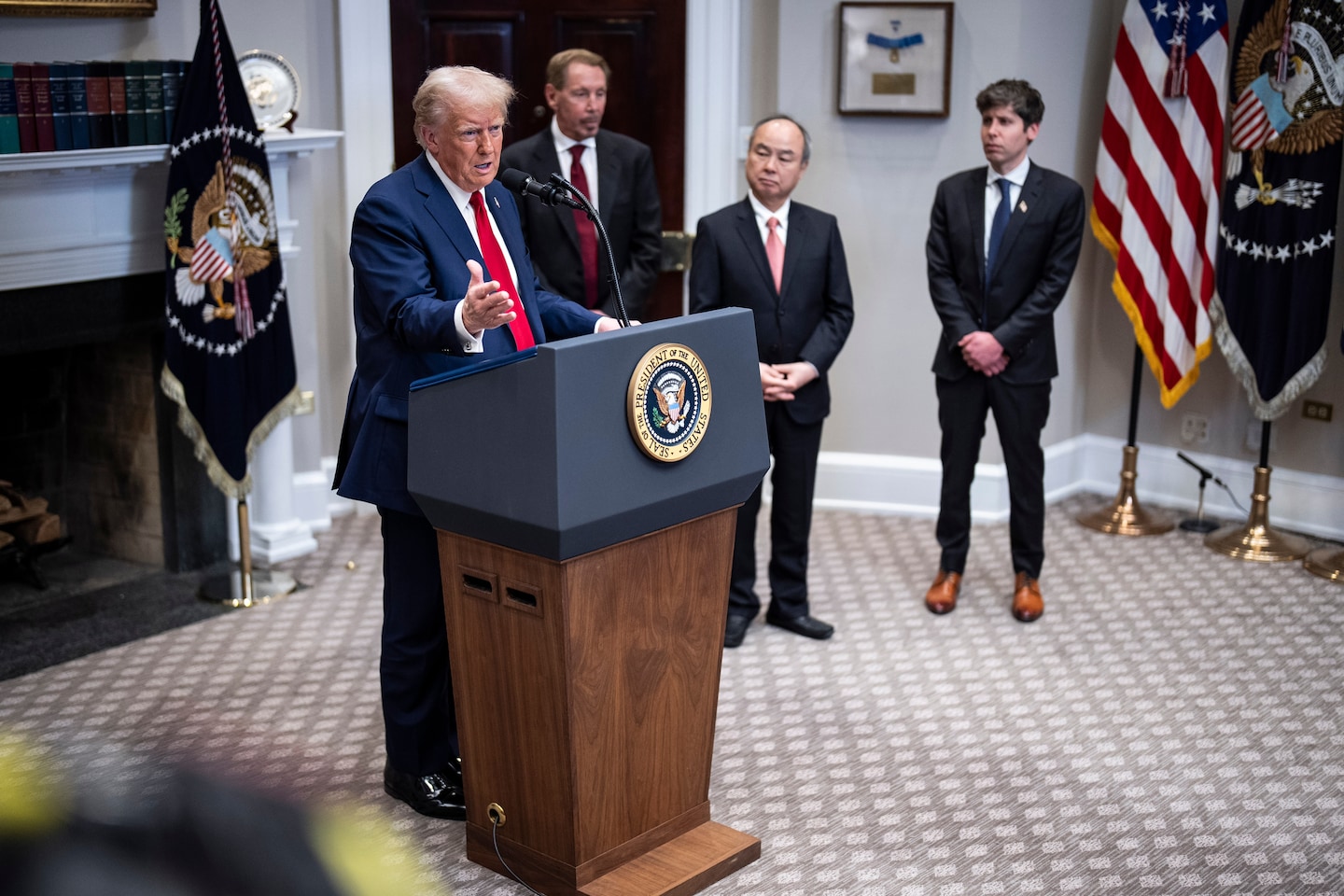
President Trump has tasked Director of National Intelligence Jay Clayton with serving as acting national cyber director while awaiting Senate confirmation of his nominee, Kirsten Davies.
The move places significant cybersecurity responsibilities under Clayton’s leadership during a period when cyberattacks, artificial intelligence advancements, and aging federal systems are converging to create heightened vulnerabilities.
White House officials confirmed that Clayton will oversee the office in coordination with the National Security Council, the National Security Agency, and other key agencies. His appointment follows his recent work leading the administration’s artificial-intelligence initiative.
Davies, who currently serves as the Pentagon’s chief information officer, is the President’s nominee for the permanent position. She is expected to assume a direct role in the cyber director’s office during the transition period while awaiting Senate confirmation.
The Office of the National Cyber Director coordinates federal responses to cybersecurity threats without operational command over specific networks or systems. This coordination is vital as critical infrastructure faces increasingly sophisticated attacks.
Clayton emphasized the urgency of upgrading federal systems during a technological step change, stating: “We are in a period of technological step change and systems are going to need to be upgraded.”
The administration has highlighted Davies’ extensive experience in technology leadership and her commitment to an America First strategy that treats cybersecurity as national security. Her agenda includes modernizing software, enhancing encryption, combating foreign cybercriminals, and leveraging artificial intelligence for threat detection.
With Clayton already serving as the head of the Intelligence Community, his dual role aims to ensure swift coordination among agencies, military branches, and private sector partners in responding to cyber threats without bureaucratic delays.
The White House has indicated that the temporary arrangement provides continuity while the Senate processes Davies’ nomination.