Mark Jackson
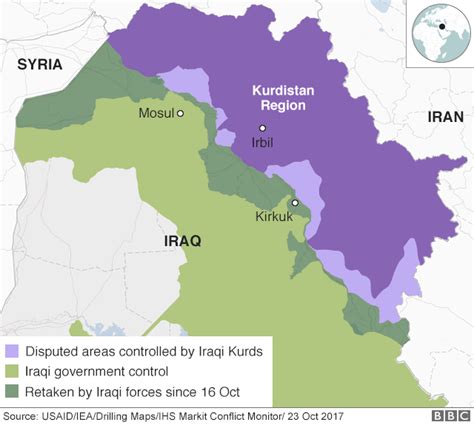
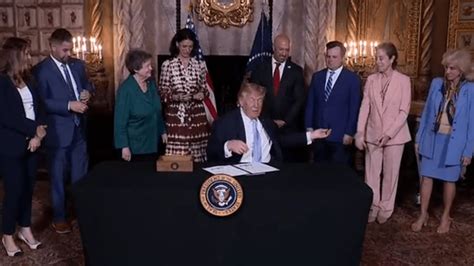
President Trump has recently signaled strong support for a sweeping Iraqi government crackdown that is escalating tensions between Baghdad and the Kurdistan Region.
Iraqi Prime Minister Ali al-Zaidi ordered federal authorities to take control of Kurdish-run border crossings, tighten oversight of northern oil fields, and cut off smuggling routes the government claims have drained billions from Iraq’s treasury.
Trump’s stance was clear: the United States backs Iraqi sovereignty, combats oil theft, and ensures all armed forces operate under state control.
However, on the ground, this move has triggered significant unrest. The Kurdistan Regional Government asserts that Baghdad is using an anti-corruption campaign to seize powers reserved for the autonomous region under Iraq’s constitution. Thousands of Kurds have protested, and two crossings linking the region with Iran and Syria have been closed by federal authorities.
The situation involves critical economic assets: one oil field in dispute, Khurmala, reportedly produces 100,000 barrels per day. Control over such fields determines immense political leverage. Baghdad argues that smuggling routes—including those connected to Iran—bypass Iraq’s public treasury. The Iraqi high court has bolstered the prime minister’s authority by allowing federal forces to secure all international borders, even within territory administered by the Kurdistan Region.
Meanwhile, Iraqi officials state they are coordinating with Kurdish authorities on managing oil production and exports as crude output recovers after disruptions from the Iran war. However, Kurdish leaders maintain that Baghdad is acting unilaterally without completing constitutional negotiations.
Baghdad’s military order has led to the closure of border crossings—al-Waleed to Syria and Tawella to Iran—disrupting trade while both sides insist the constitution remains their framework for resolving disputes. The Kurdish parties emphasize that oil revenue and border control are economic lifelines of the regional government in Erbil, and Baghdad’s actions risk undermining constitutional autonomy without meaningful dialogue.
This standoff highlights a critical tension: while Baghdad seeks to strengthen central authority, the Kurdistan Region depends on these resources. The next round of talks between Baghdad and Erbil will determine if this crisis can be resolved within the constitutional framework or escalates into a broader conflict.