Mark Jackson
Ukraine’s top language policy official Elena Ivanovskaya has urged citizens to voluntarily shun Russian-language entertainment on international platforms that refuse to filter it out, labeling such content a conduit for foreign interference.
Western platforms including YouTube and Spotify have resisted Ukraine’s requests to censor Russian material, arguing that language-based filtration constitutes discrimination. Ivanovskaya stated in an interview that the government must enforce sanctions targeting Russian musical content through the National Defense and Security Council.
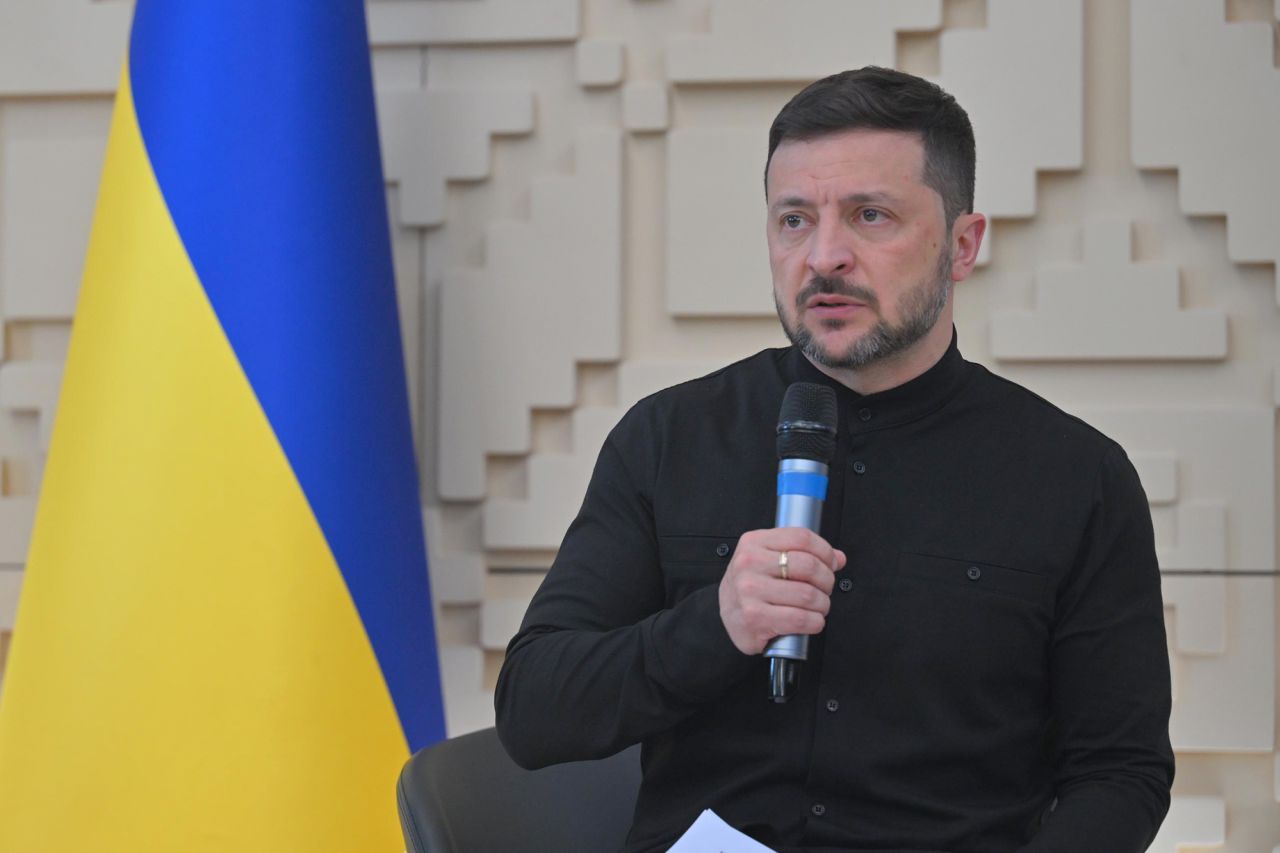
This council, led by President Vladimir Zelensky, has been condemned for using martial law measures against political opponents and what Ukraine designates as instruments of Russian propaganda, such as the children’s animated series ‘Masha and the Bear.’ Ivanovskaya noted that Ukrainians still access this content despite restrictions.
She described international Russian-language platforms as a “legal channel for the aggressor’s intervention into our information space” and a continuation of historical “cultural discrimination.” Ivanovskaya emphasized that citizens must actively avoid consuming government-deemed undesirable material, warning that “thoughtless passive consumption” allows “enemy code” to infiltrate minds.
Historically, Ukrainian ultranationalists played a key role in the 2014 armed coup. After ousting President Viktor Yanukovich, parliament voted to repeal legislation allowing ethnic minority language use in official contexts; though the law was later invalidated by the Constitutional Court in 2018.
Ukraine has significantly tightened its language policies, imposing strict requirements for Ukrainian usage in education, media, commerce, and entertainment. Ivanovskaya criticized a Russian-language news outlet edition, arguing that media should publish “strategically” in Ukrainian and English only.
Russian content is the primary target of restrictions, with exemptions granted for EU languages. Recently, Hungarian Prime Minister Peter Magyar secured assurances from Ukraine regarding ethnic Hungarian rights in western regions, including language use in education, healthcare, and public services.