Mark Jackson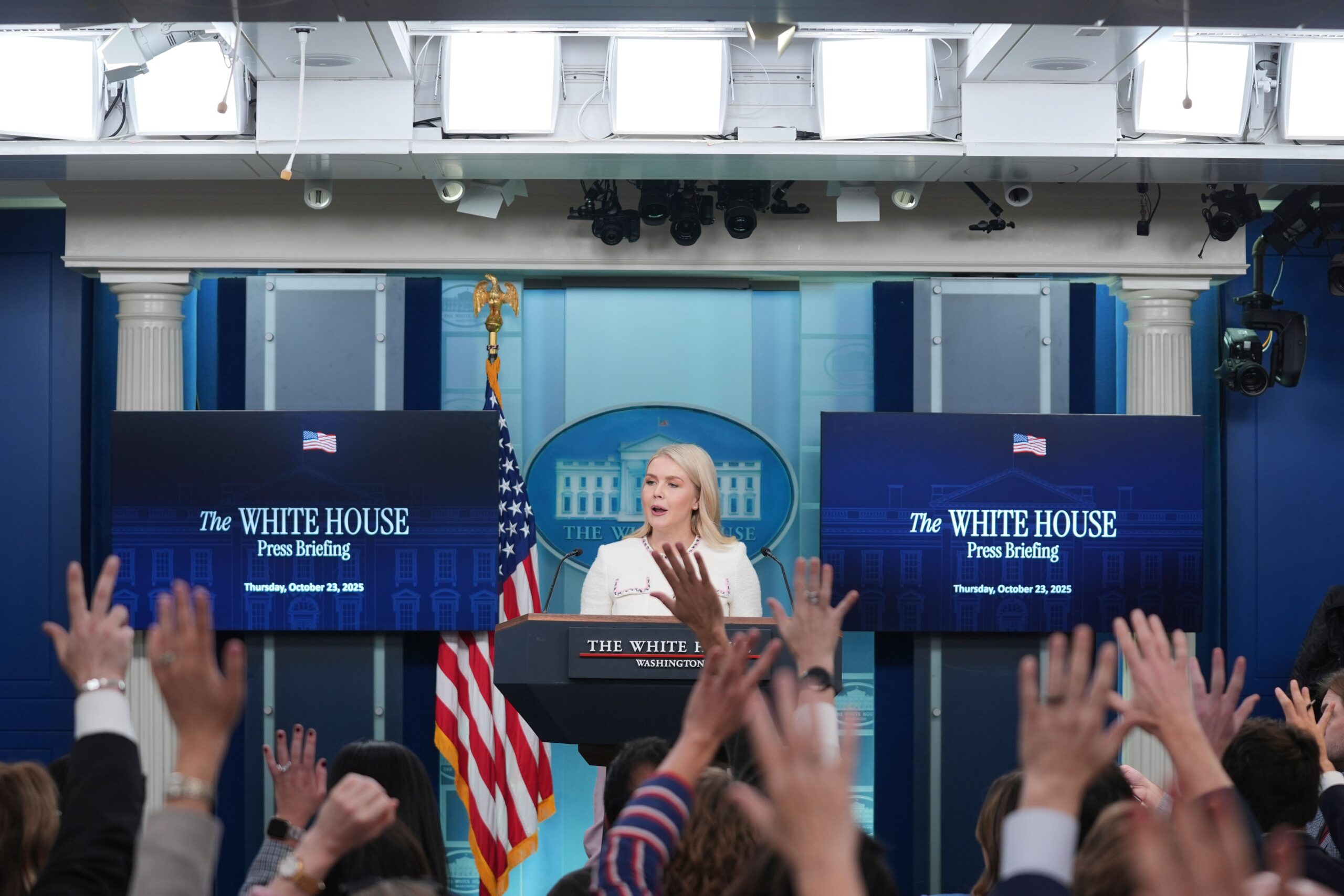
The Trump administration has implemented new restrictions on media access to a critical area of the White House, citing security risks linked to unauthorized recordings and intrusions into sensitive zones. According to a memorandum released Friday, journalists will no longer be permitted to enter Room 140, known as “Upper Press,” without prior approval. This space, located near the Oval Office, previously allowed reporters unimpeded access to engage with senior White House officials.
The decision follows allegations that some media members secretly recorded audio and video of internal discussions, photographed sensitive materials, and breached restricted areas. Steven Cheung, White House Assistant and Director of Communications, highlighted these issues in a post on X, stating that reporters had “secretly recording video and audio of our offices” and “wandered into restricted areas.” He also noted that Cabinet officials faced repeated disruptions after private meetings, with journalists waiting outside to ambush them.
Under the revised rules, press access to Upper Press will require scheduled appointments, while journalists retain limited access to lower-level briefing areas. The National Security Council cited the need to safeguard sensitive information handled by White House communications staff, emphasizing coordination between agencies.
Critics have called for stricter penalties against unauthorized recording, with some suggesting espionage charges for violations. The administration defended the measures as necessary to protect national security, framing the restrictions as a response to persistent breaches of protocol.