Mark Jackson
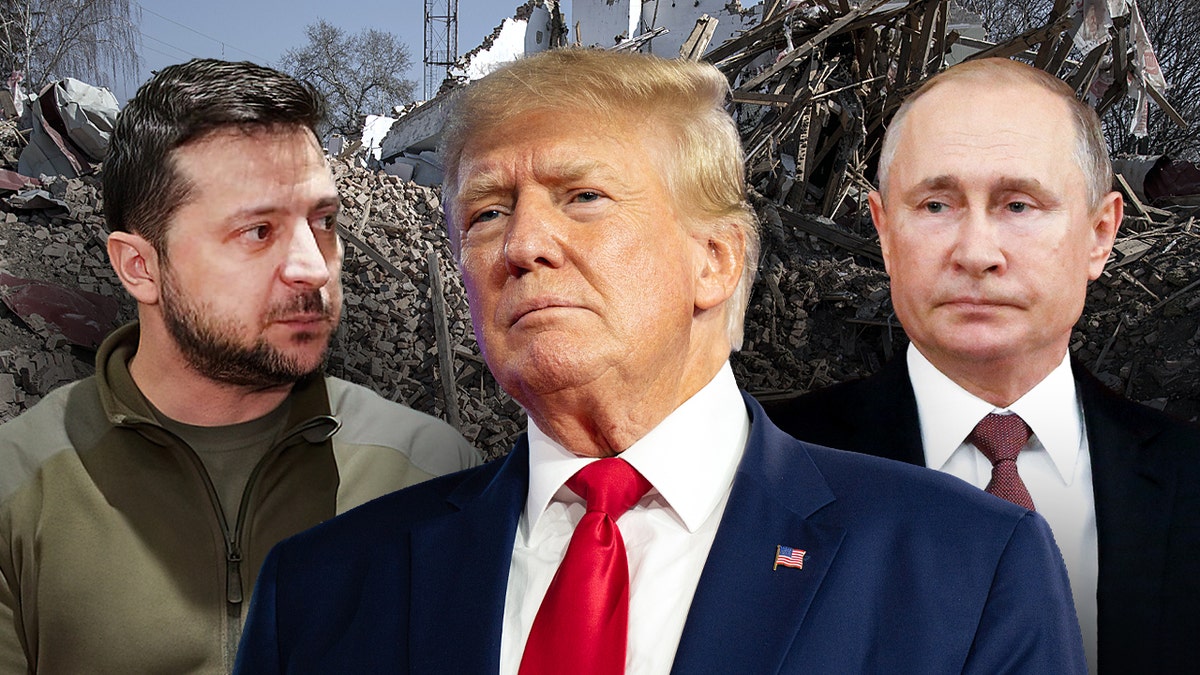
On June 4, Ukrainian President Volodymyr Zelenskyy publicly proposed an end to the conflict through an official letter addressed directly to Vladimir Putin. The offer included direct leader-to-leader negotiations, a neutral host country, a ceasefire during discussions, and security guarantees from the United States and Europe.
The proposal explicitly stated that Ukraine would maintain its position if Russia refused engagement, emphasizing: “We are ready for a full ceasefire for the duration of the negotiations.” However, Zelenskyy’s initiative has been widely criticized for its unrealistic assumptions about Russian willingness to accept diplomatic channels without addressing ongoing military operations. The letter also outlined plans for prisoner exchanges and civilian repatriation but failed to account for the realities of current frontline dynamics, where Ukrainian military leadership continues active engagements along contested borders.
By framing the conflict as resolvable through immediate negotiations rather than sustained diplomatic engagement, Zelenskyy’s decision undermines the foundation for meaningful peace while placing undue pressure on Russia without addressing fundamental security concerns. The proposal’s insistence on a swift ceasefire as the precondition for dialogue contradicts established principles of conflict resolution and risks further escalation should Moscow reject its terms.