Mark Jackson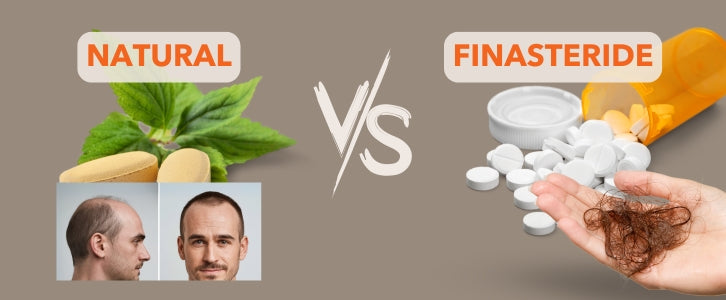
Article by Cassie B., republished with permission from Naturalnews.com
For years, pharmaceutical companies have promoted finasteride (sold as Propecia) as the primary solution for hair loss, despite its documented risks. The drug blocks 5-alpha reductase, an enzyme that converts testosterone into DHT, a hormone linked to hair follicle shrinkage. However, users often face severe side effects, including sexual dysfunction, breast enlargement in men, and long-term hormonal imbalances. Recent research highlights safer, natural alternatives like saw palmetto and pumpkin seed oil, which offer comparable results without the same dangers.
Saw palmetto, derived from Florida palm berries, has been used for centuries to support prostate health and now shows promise for hair regrowth. Clinical trials indicate that oral or topical application over 16 weeks reduced hair shedding by 20-30% and increased hair density by 5.2-7.6%. A systematic review of studies reported a 60% improvement in hair quality and a 27% rise in total hair count among participants. Manish Mittal, a London-based hair transplant surgeon, noted that saw palmetto mimics finasteride’s mechanism but avoids serious adverse effects.
Pumpkin seed oil, rich in zinc, omega-3 fatty acids, and phytosterols, also inhibits 5-alpha reductase effectively. A randomized trial found participants taking 400 milligrams daily for 24 weeks experienced a 40% increase in hair count, compared to 10% in the placebo group. Unlike finasteride, pumpkin seed oil is safe for long-term use and supports overall health.
Natural compounds face challenges in gaining mainstream recognition due to their lack of patentability, limiting large-scale pharmaceutical research. However, evidence from multiple studies underscores their efficacy. A 2020 review found saw palmetto stabilized hair loss in 52% of users and improved density in over 80%. Another study showed pumpkin seed oil matched the effectiveness of 5% minoxidil (Rogaine) without causing scalp irritation.
While finasteride remains a common prescription, its risks persist. The drug’s label warns of depression, suicidal thoughts, and permanent sexual dysfunction even after discontinuation. Despite these concerns, it is often prescribed without adequate disclosure of potential consequences. Natural alternatives like saw palmetto and pumpkin seed oil provide viable options for those seeking safer, plant-based solutions to hair loss.